A good bed can prevent heart disease.
Built with communities, not for them.
Beds, washing machines, and essential goods designed with remote Indigenous communities. Manufactured sustainably, eventually owned by them.
The Problem
A failure of infrastructure, not culture
59%
of remote homes lack washing machines
1 in 3
children have scabies at any time
55%
of very remote First Nations homes are overcrowded
1-2 yrs
lifespan of standard washing machines (vs 10-15)
Thousands of people in remote Australia sleep on the floor or share beds. Essential appliances fail within months because they were never designed for remote conditions. The freight makes everything unaffordable. This isn't a cultural choice — it's a failure of infrastructure.
The Cascade
Why a washing machine is
a health intervention
A washing machine breaks the cascade.
Clean bedding breaks the cycle.
A good bed can prevent heart disease.
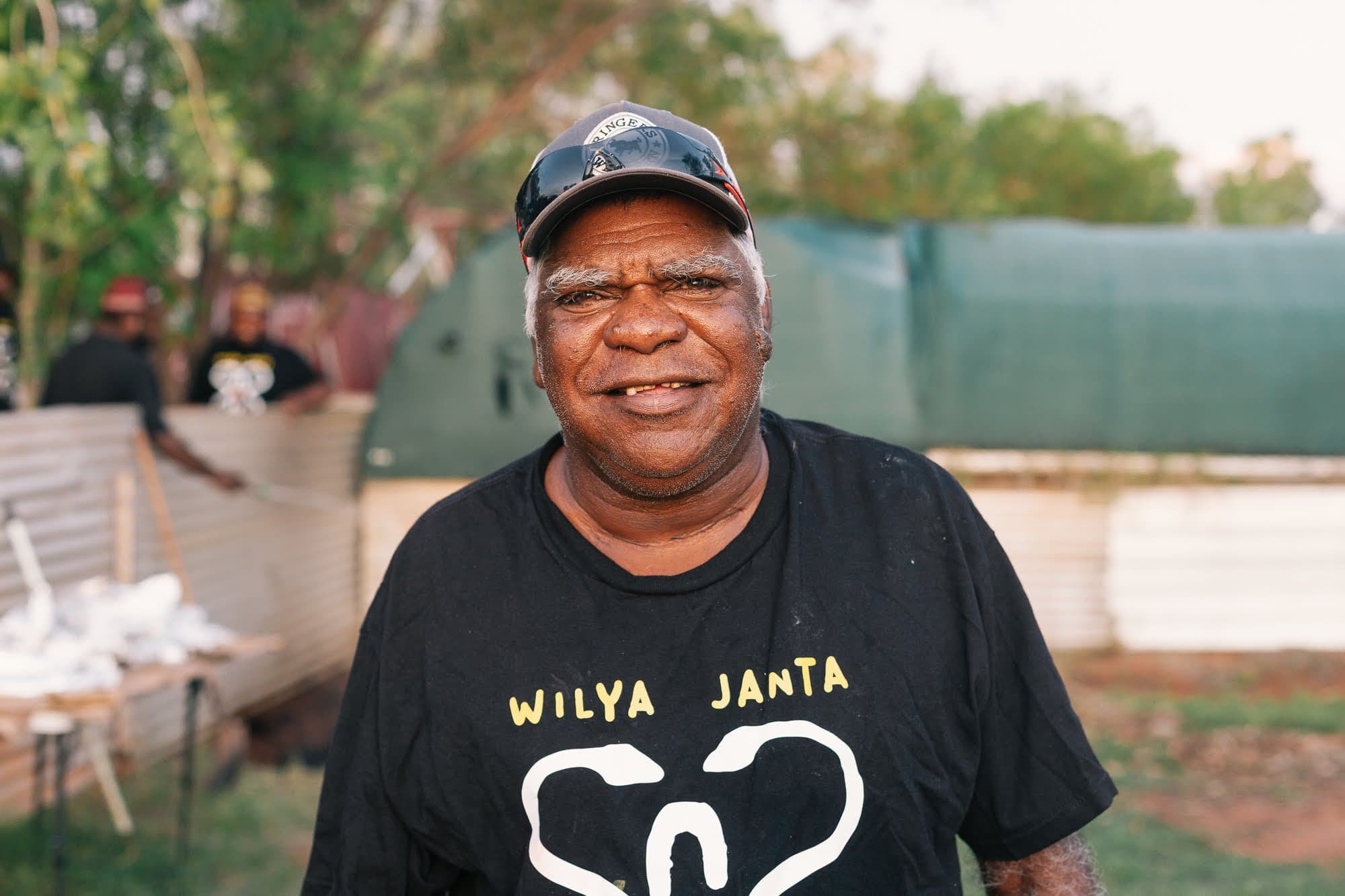
“I want to see a better future for our kids and better housing for our people.”
The Origin
How a question became a movement
In 2018, Nicholas Marchesi attended a health conference where Dr. Bo Remenyi spoke about Rheumatic Heart Disease. Her message was clear: RHD is entirely preventable, yet she was filling out death certificates for children in remote communities.
Combined with his experience at Orange Sky, where he witnessed people without beds, without working washing machines, and children with skin infections that cascade into heart disease, it sparked the question:
What can we actually build that makes a difference?
The Stretch Bed
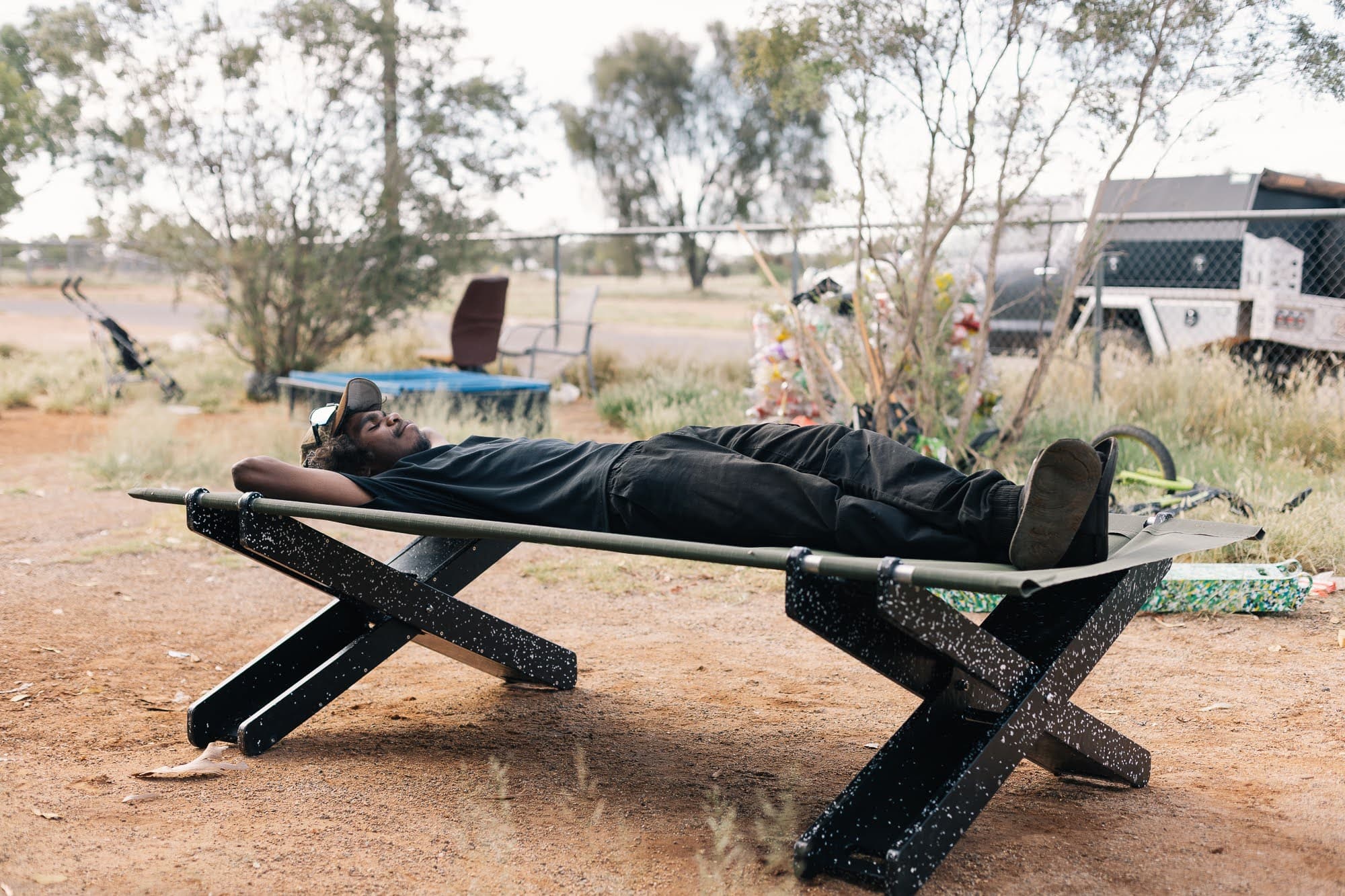
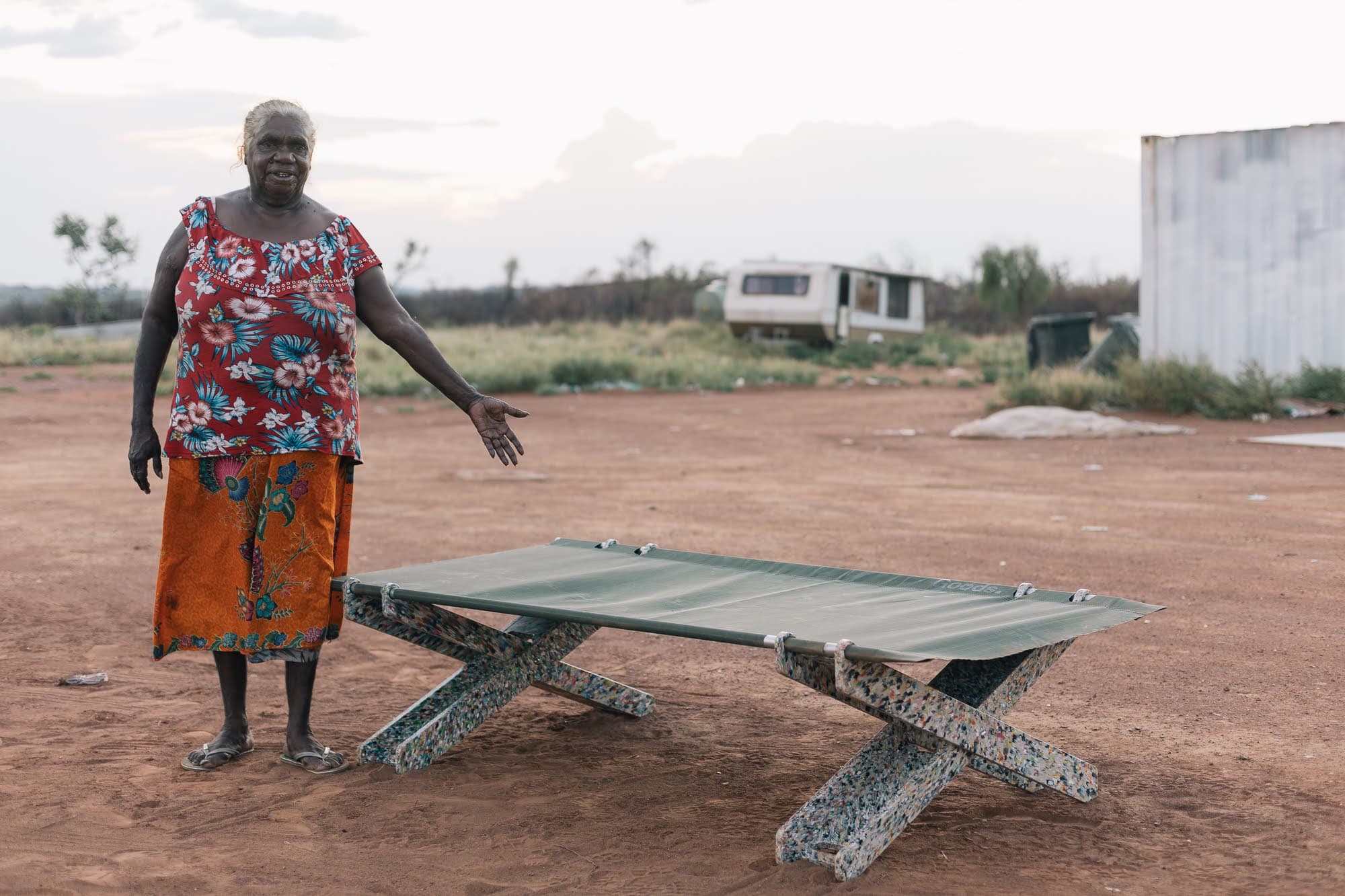
26kg. Supports 200kg.
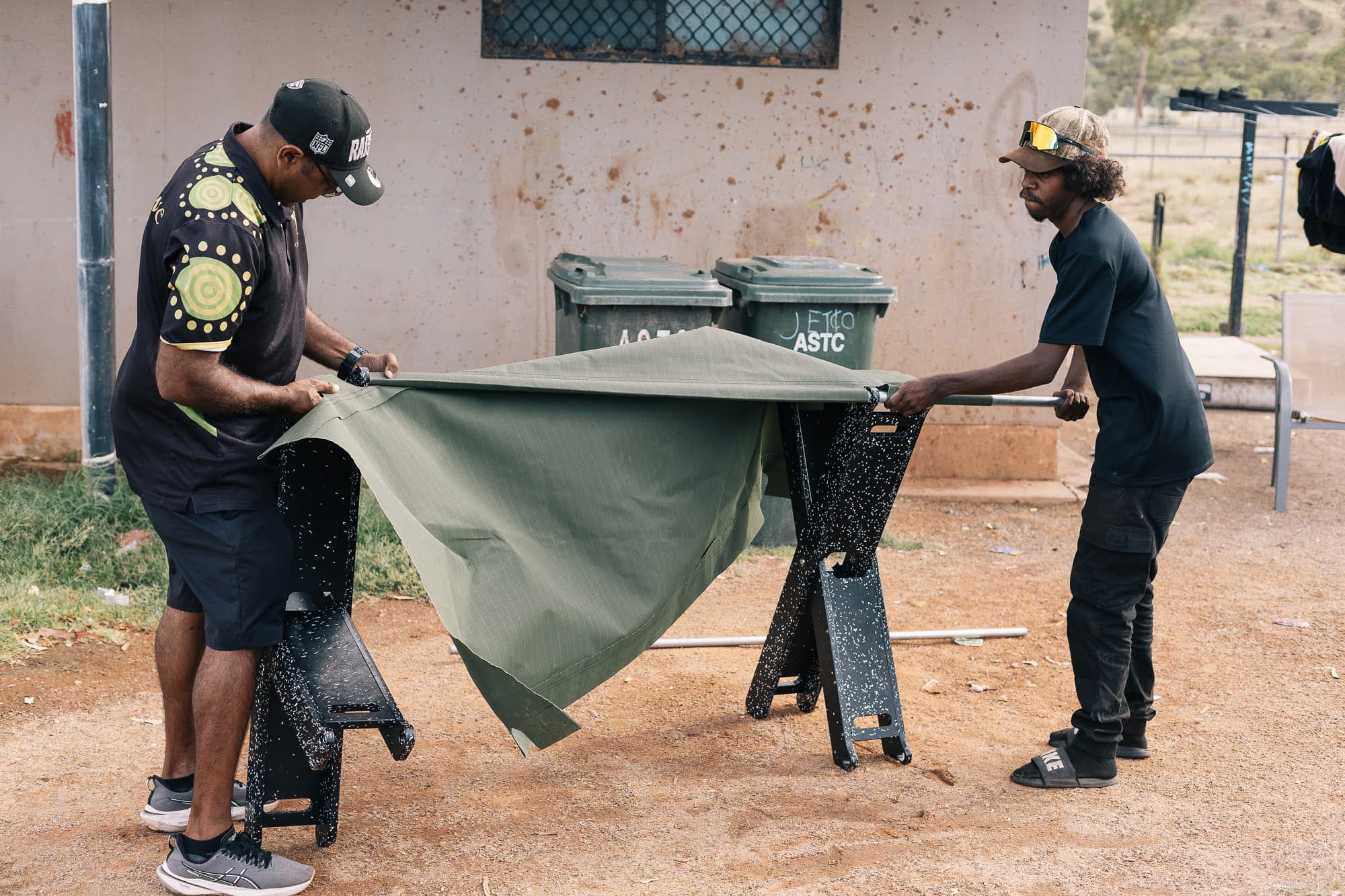
No tools. 5 minutes.
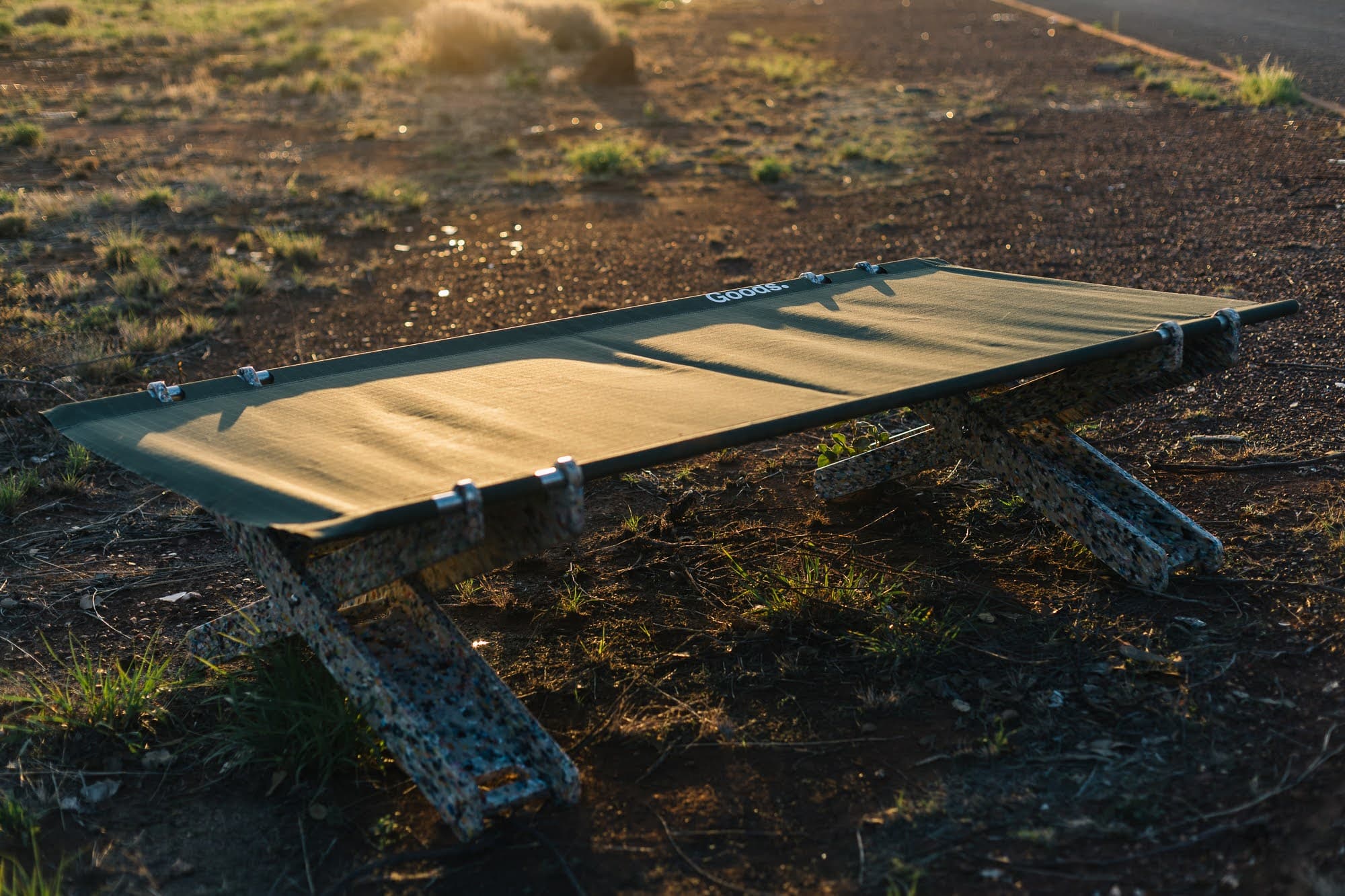
Recycled plastic legs, galvanised steel poles, heavy-duty canvas. Each bed diverts 20kg of plastic from landfill.
Product Detail
The Stretch Bed
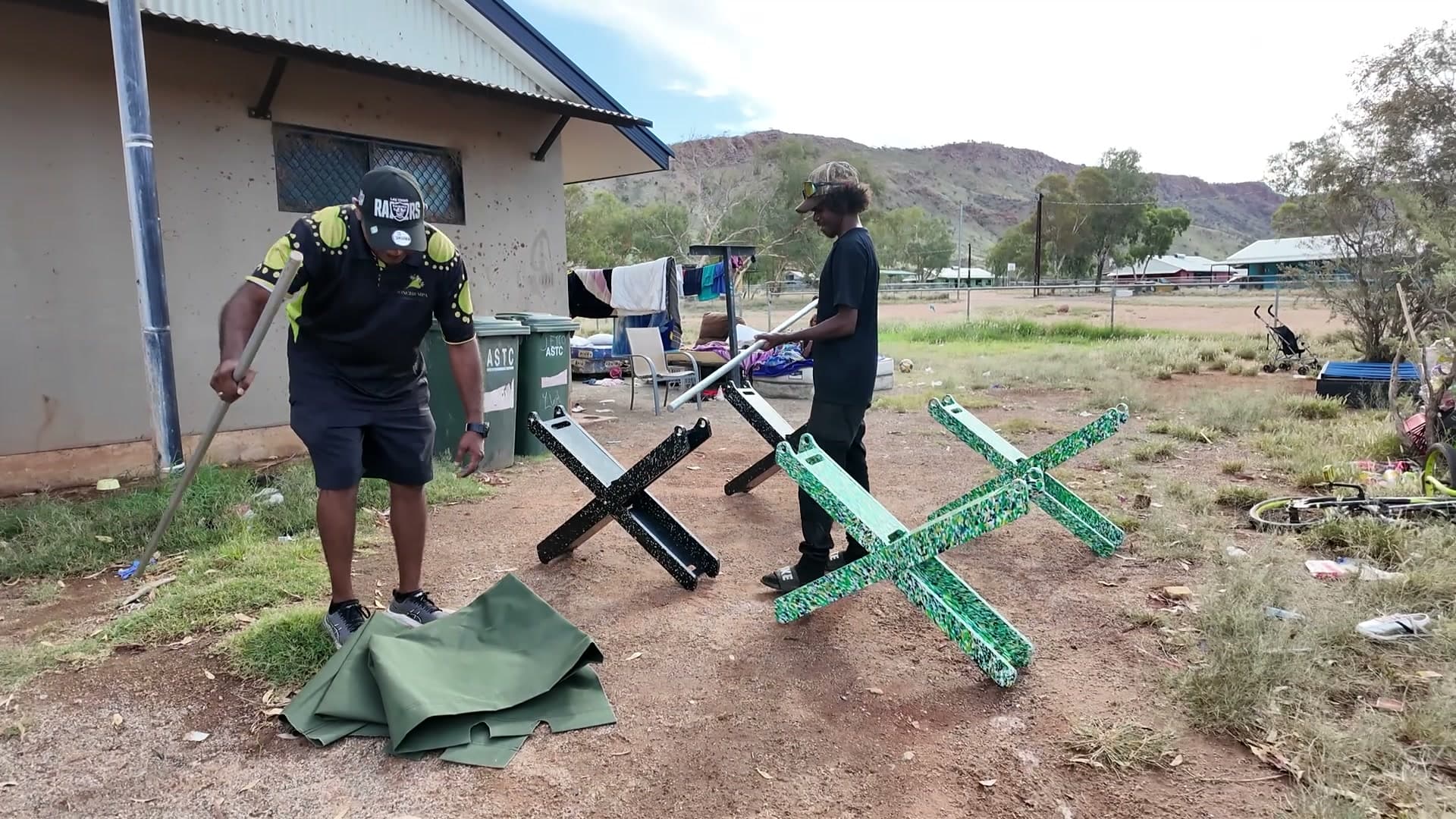
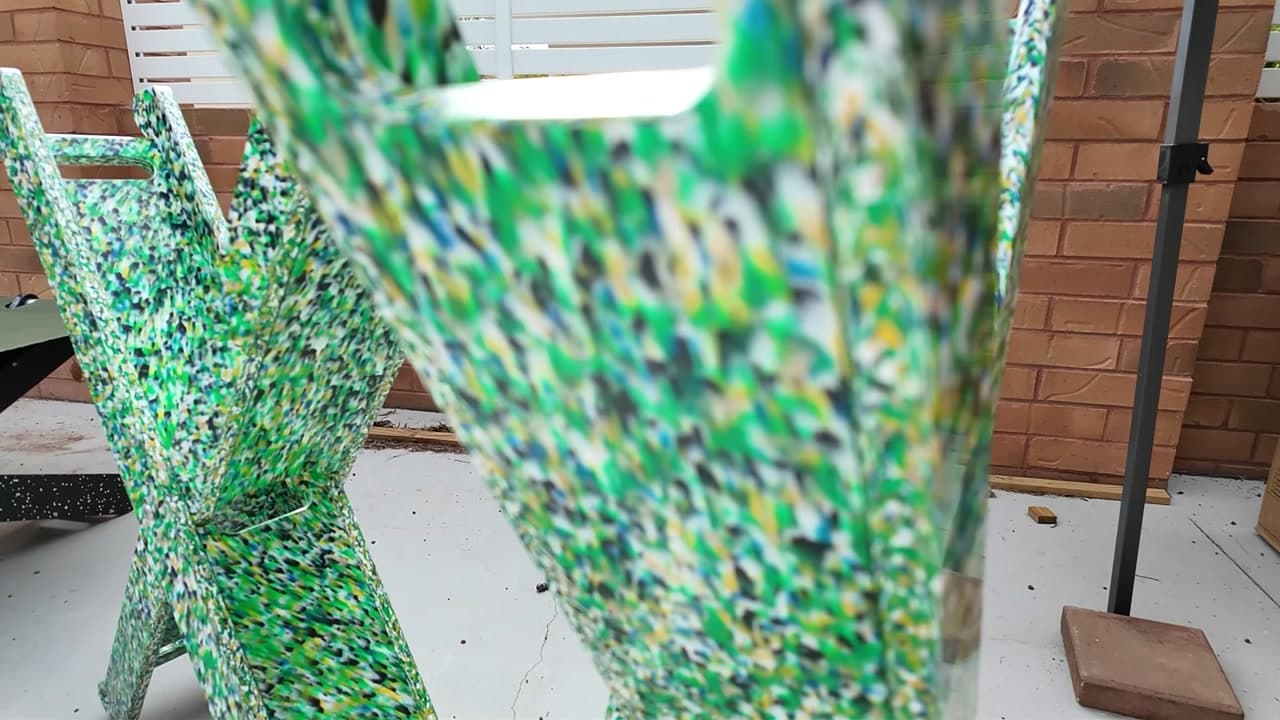
Two galvanised steel poles thread through heavy-duty Australian canvas. Four legs made from recycled HDPE plastic — collected, shredded, and pressed on country. Each bed diverts 20kg of plastic from landfill.
No-tool assembly in 5 minutes. Works inside and outside. Fully washable. Designed with communities, not for them.
Community Voice
“It’s so amazing with just waste”
Jaquilane, Rupanya woman, Alice Springs. On why the Stretch Bed matters.
Hear From Jaquilane
Jaquilane on the Stretch Bed
Rupanya woman, Alice Springs. On beds made from waste, kids jumping on them, and why they need more.
Pakkimjalki Kari
A washing machine isn’t convenience.
It’s cardiac prevention.
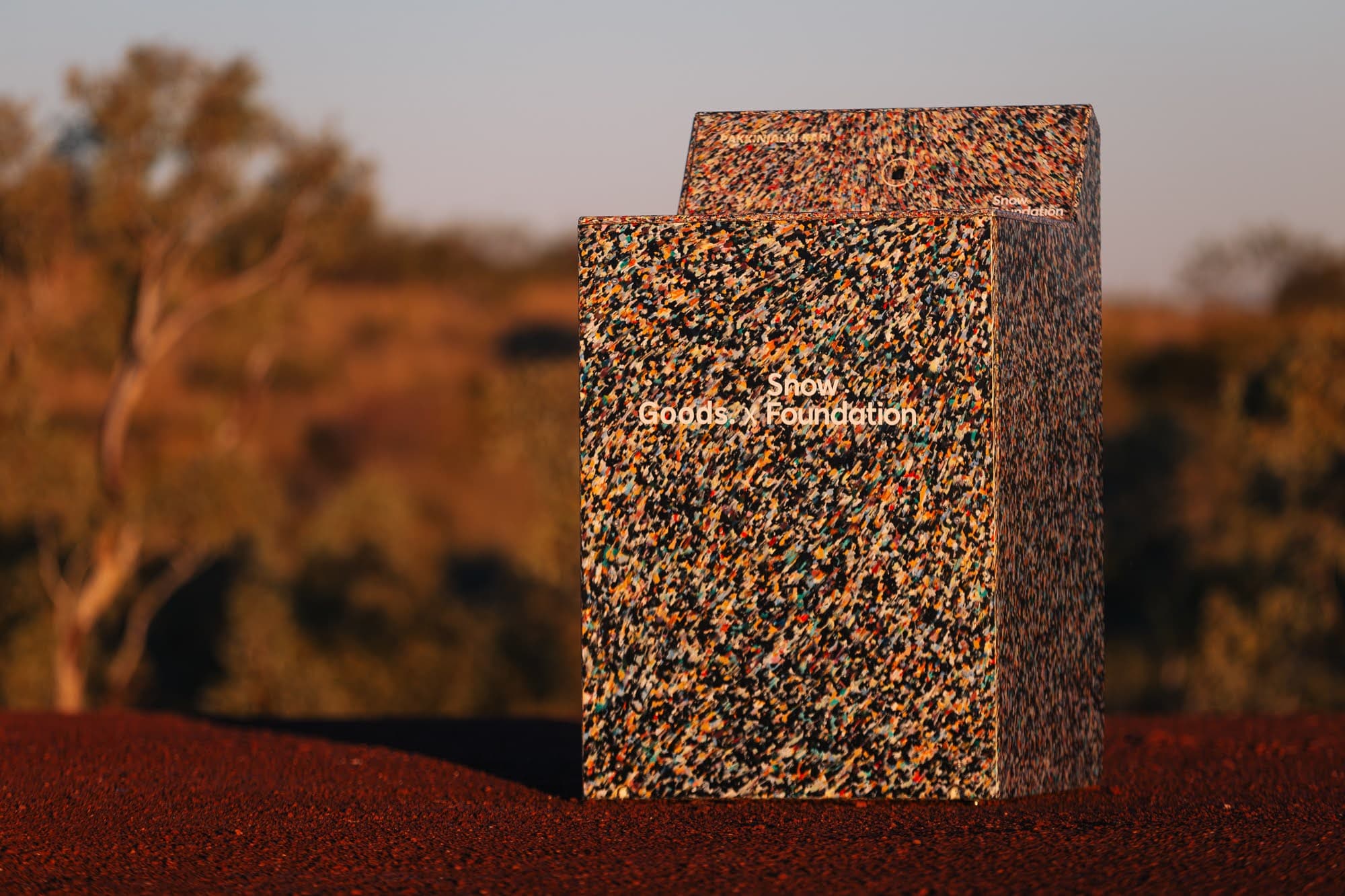
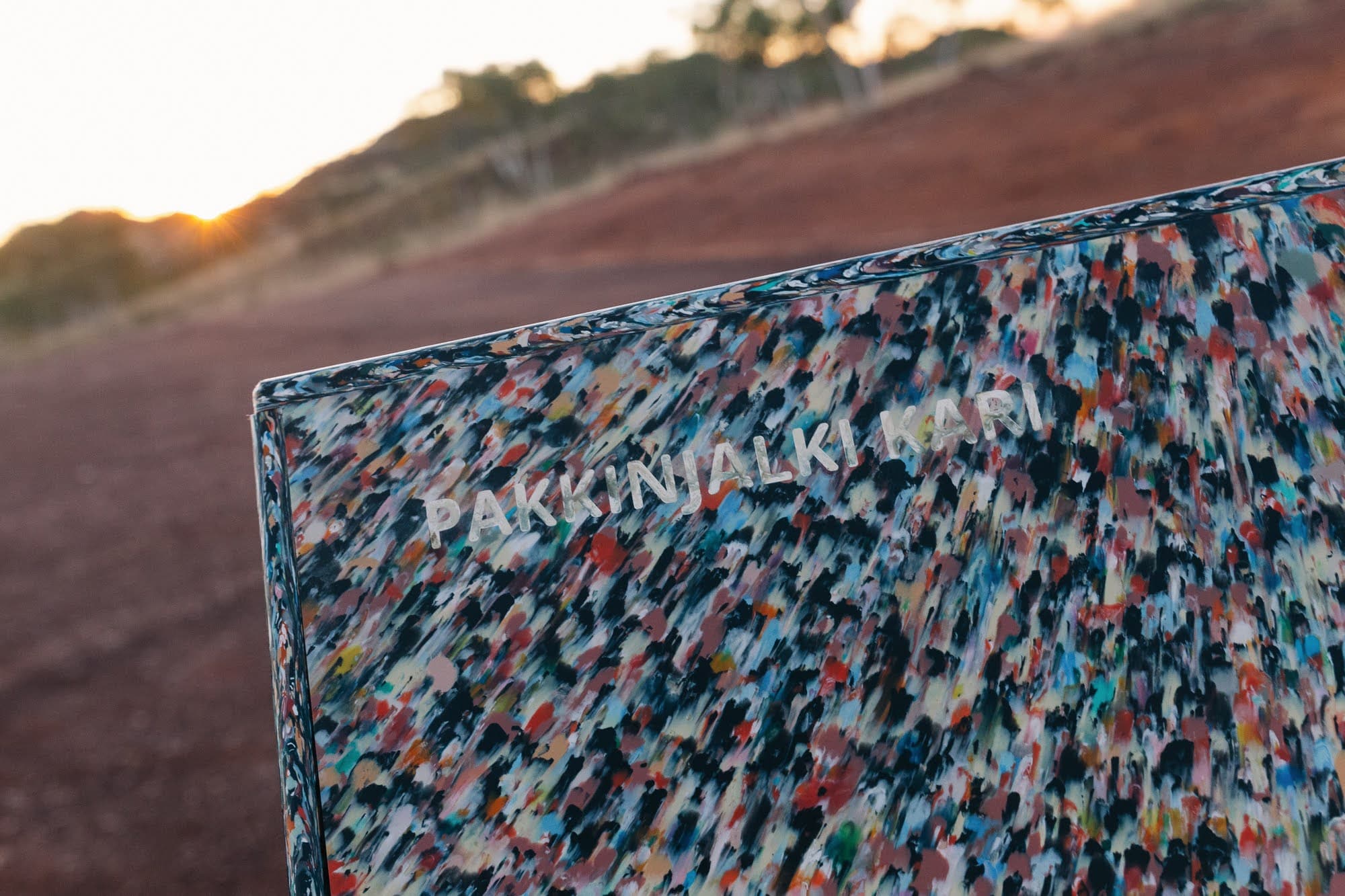
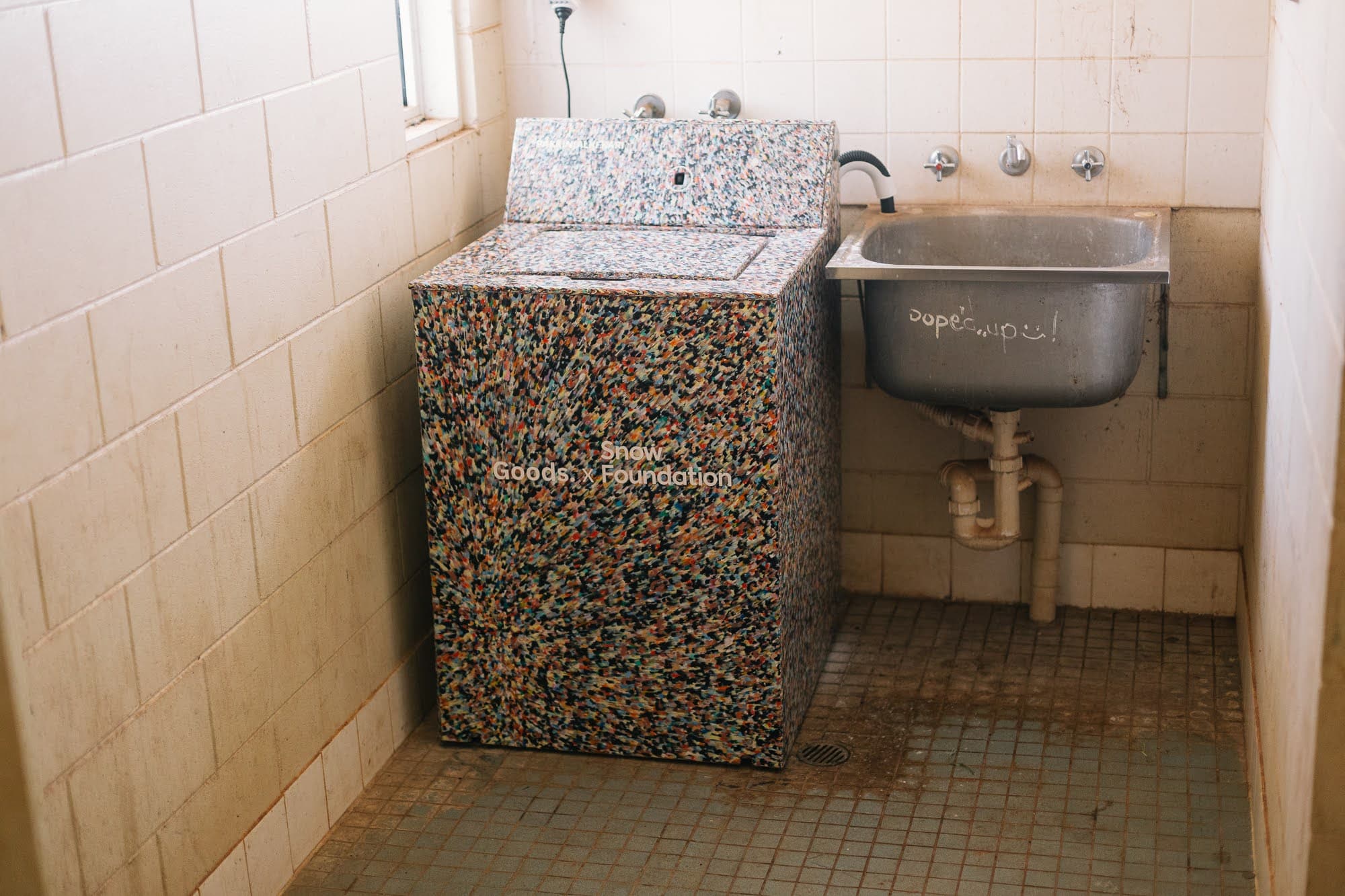
Named in Warumungu language by Elder Dianne Stokes. Commercial-grade Speed Queen base. One-button operation. Built for remote conditions.
Product Detail
Pakkimjalki Kari
Commercial-grade Speed Queen base modified for remote conditions. One-button operation, no complex cycles. Built to last 10-15 years, not 1-2.
Clean bedding breaks the scabies cycle. Scabies leads to Rheumatic Heart Disease. The washing machine is a cardiac prevention tool.
One Alice Springs provider sells $3M of washing machines annually into communities. Most end up in dumps within 12 months. These communities deserve better.
The Journey
From question to community
The Spark
Nic hears Dr. Bo Remenyi speak about Rheumatic Heart Disease. Entirely preventable, yet children in remote communities are dying from it.
The Pattern
Orange Sky expands to remote communities. Nic sees people without beds, without washing machines, children with skin infections cascading into heart disease.
The Question
"What can we actually build that makes a difference?" Goods project kicks off with an advisory session in November.
A Curious Tractor
Organisation formally founded. First bed prototypes developed with the Bloomfield family "around the fire."
400+ Beds
Active pilots deliver beds across Palm Island, Tennant Creek, Mt Isa, Kalgoorlie, and more. Community feedback shapes every iteration.
Washing Machines
Pakkimjalki Kari, named in Warumungu language by Elder Dianne Stokes. Commercial-grade, one-button operation. 8+ communities served.
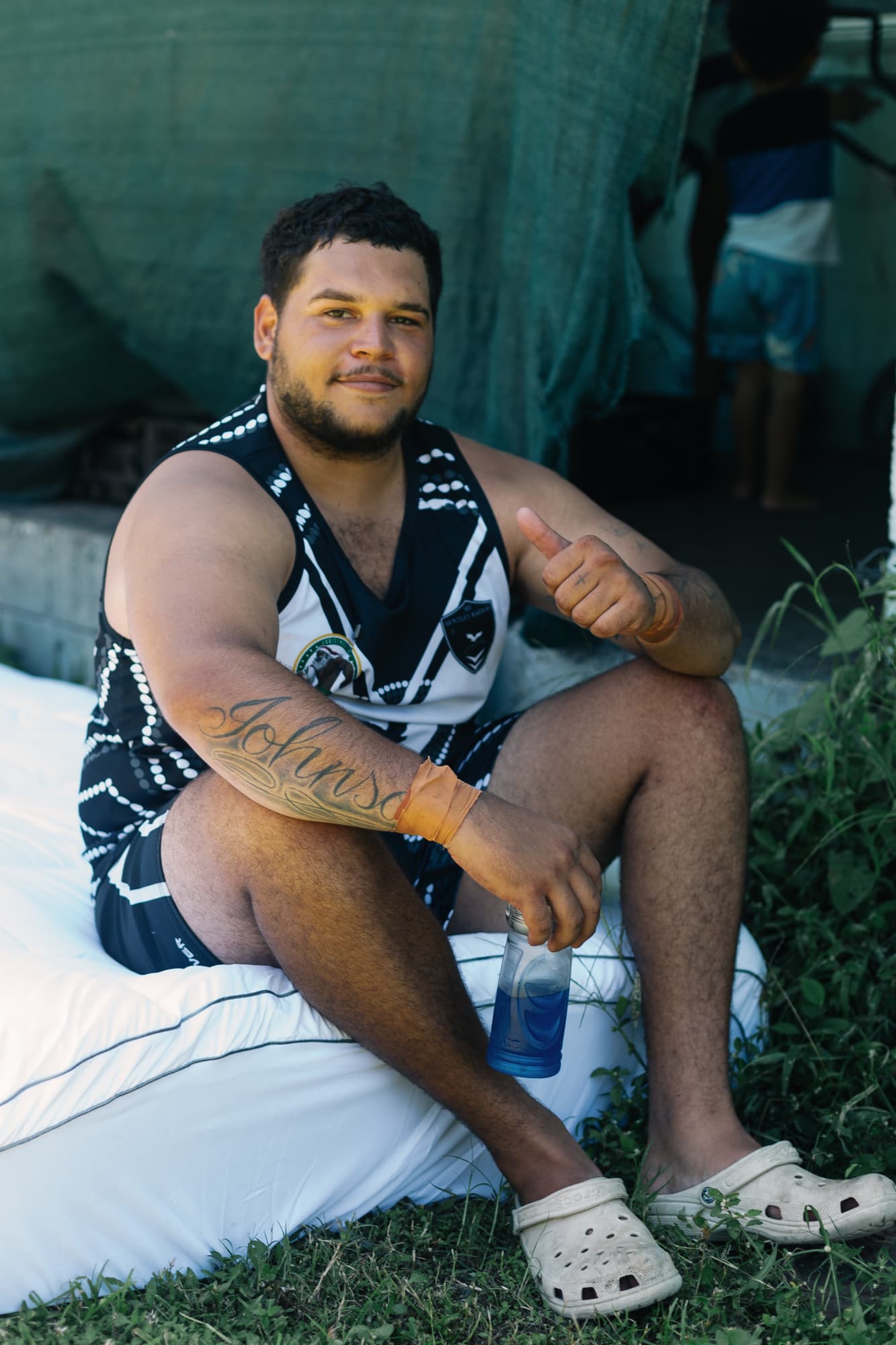
“You can't just go down to the store and buy beds. It's a big muck-around. You have to bring them on the barge, pay for freight, and still, not everyone gets one.”
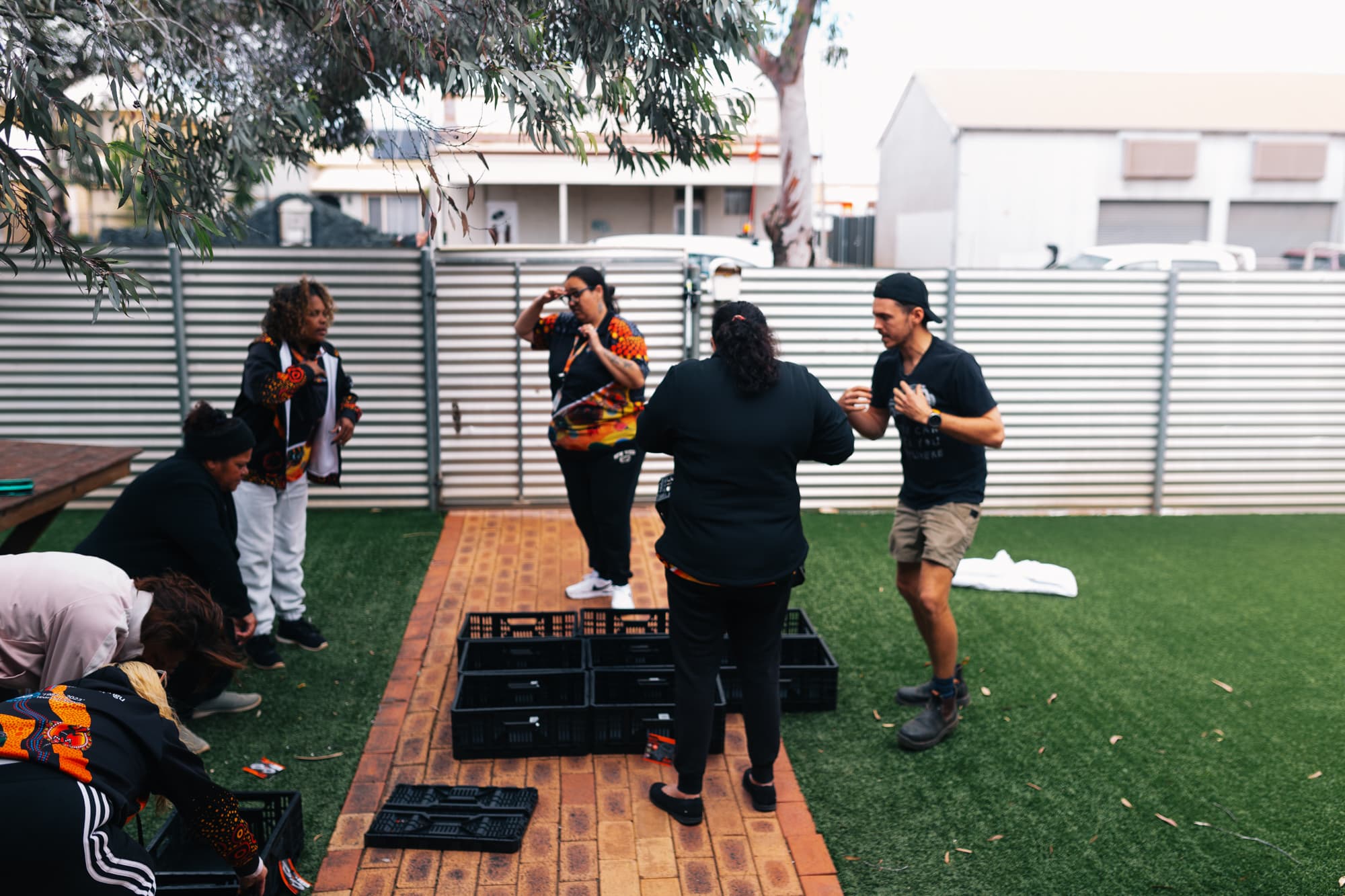
“Something as simple as a good bed makes a huge difference — it improves their health, helps with mobility, and gives them dignity.”
“Scabies often leads to Rheumatic Heart Disease, so washing machines are essential to be able to clean infected clothing, bedding and towels.”
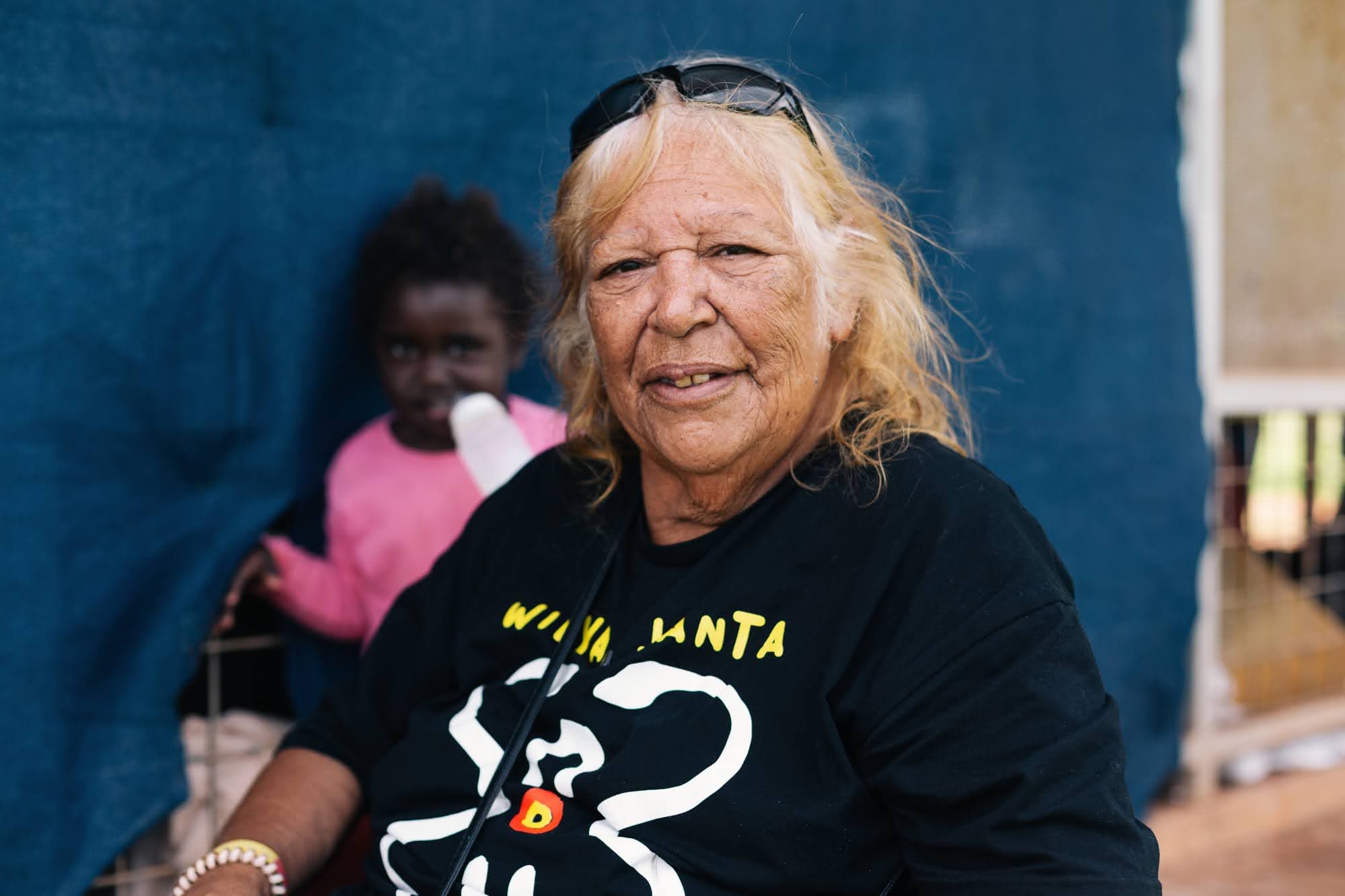
“We've never been asked at what sort of house we'd like to live in.”
$1,200+
for a mattress in remote areas — 2× the city price.
Lasts weeks, not years.
Building Together
Beds aren’t delivered.
They’re assembled together.
Every delivery is an event. Families gather, young people help assemble, and community grows stronger, one bed at a time.
The Recycling Plant
Local waste into
local products.
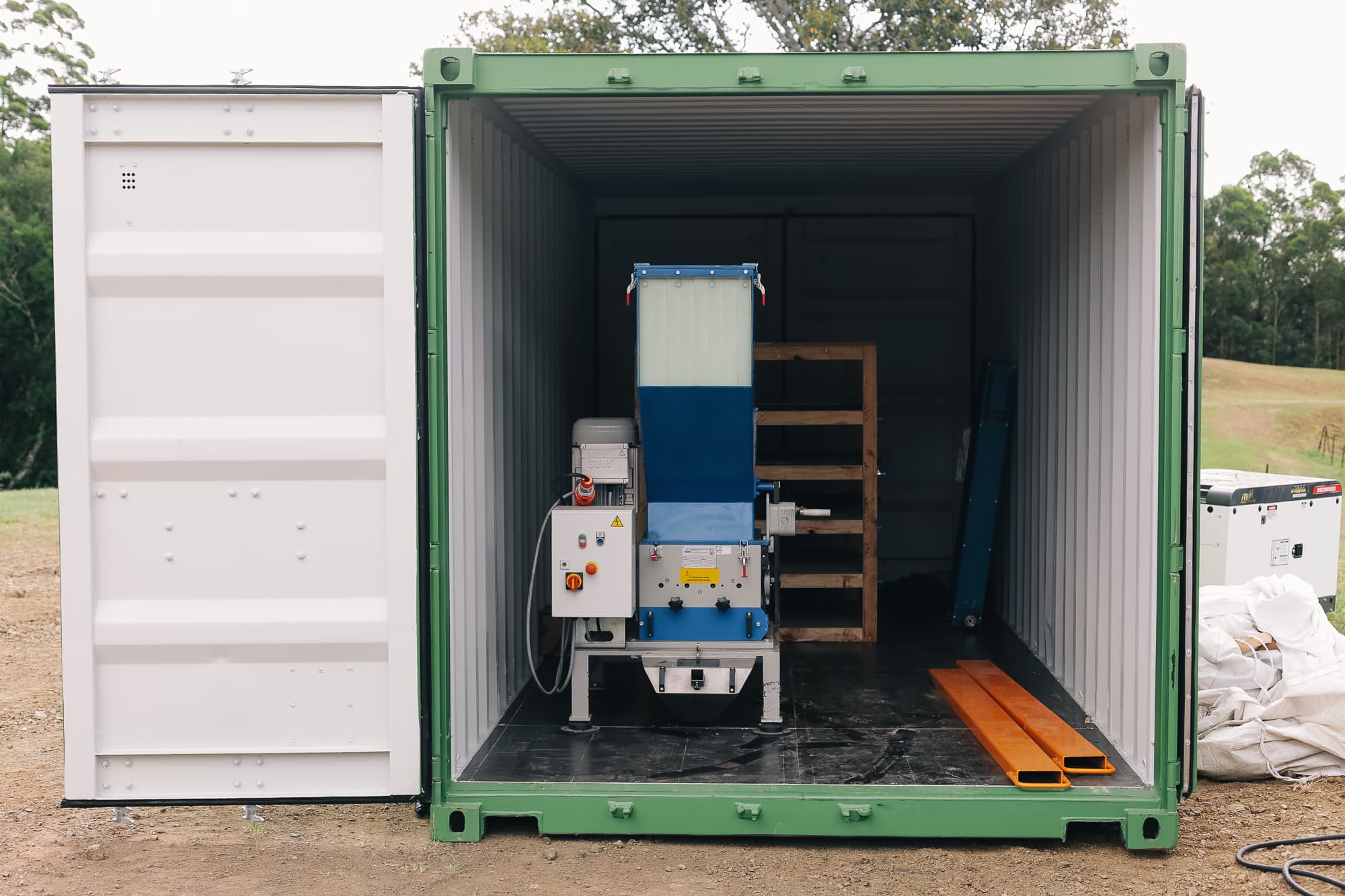
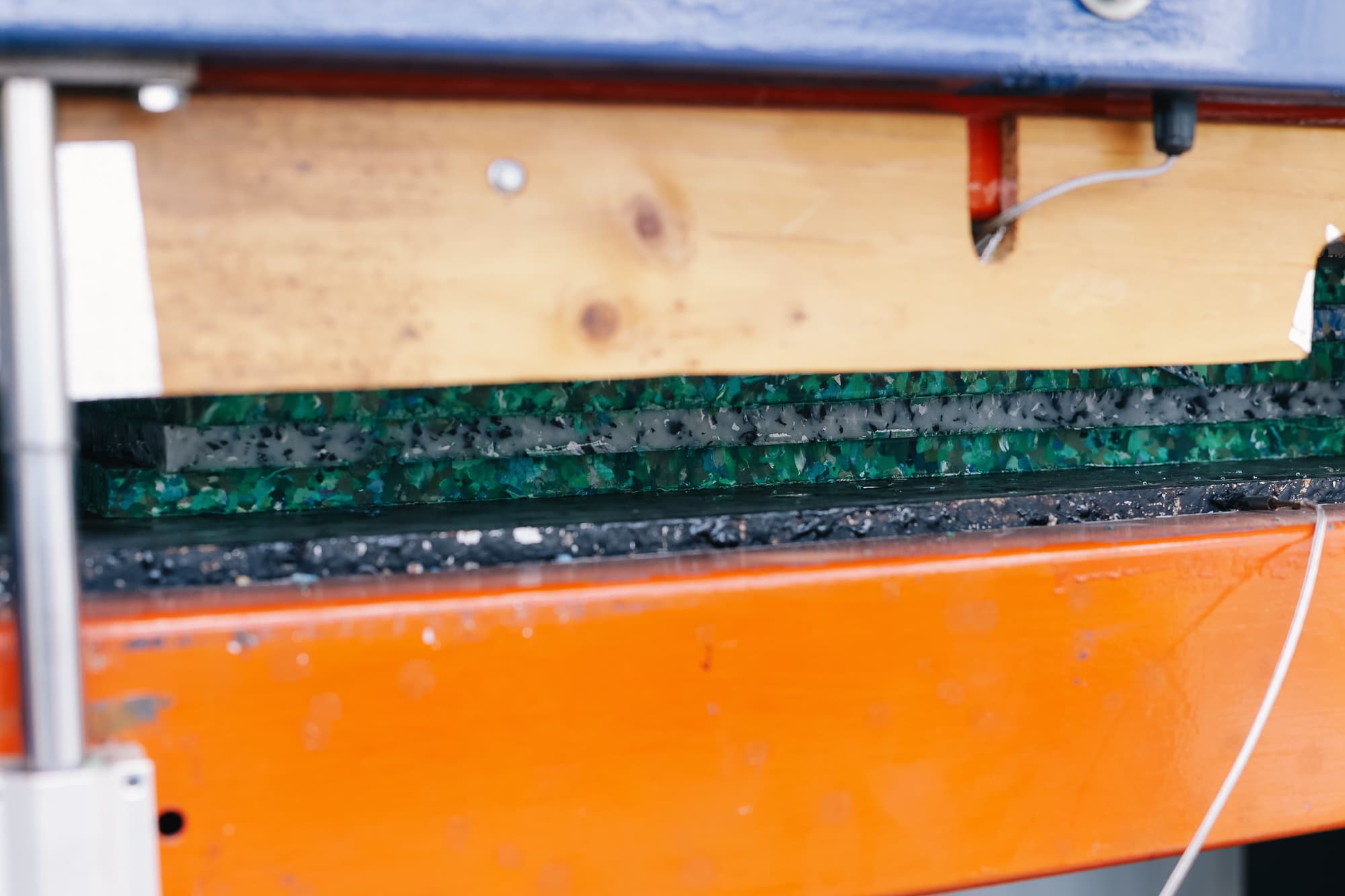
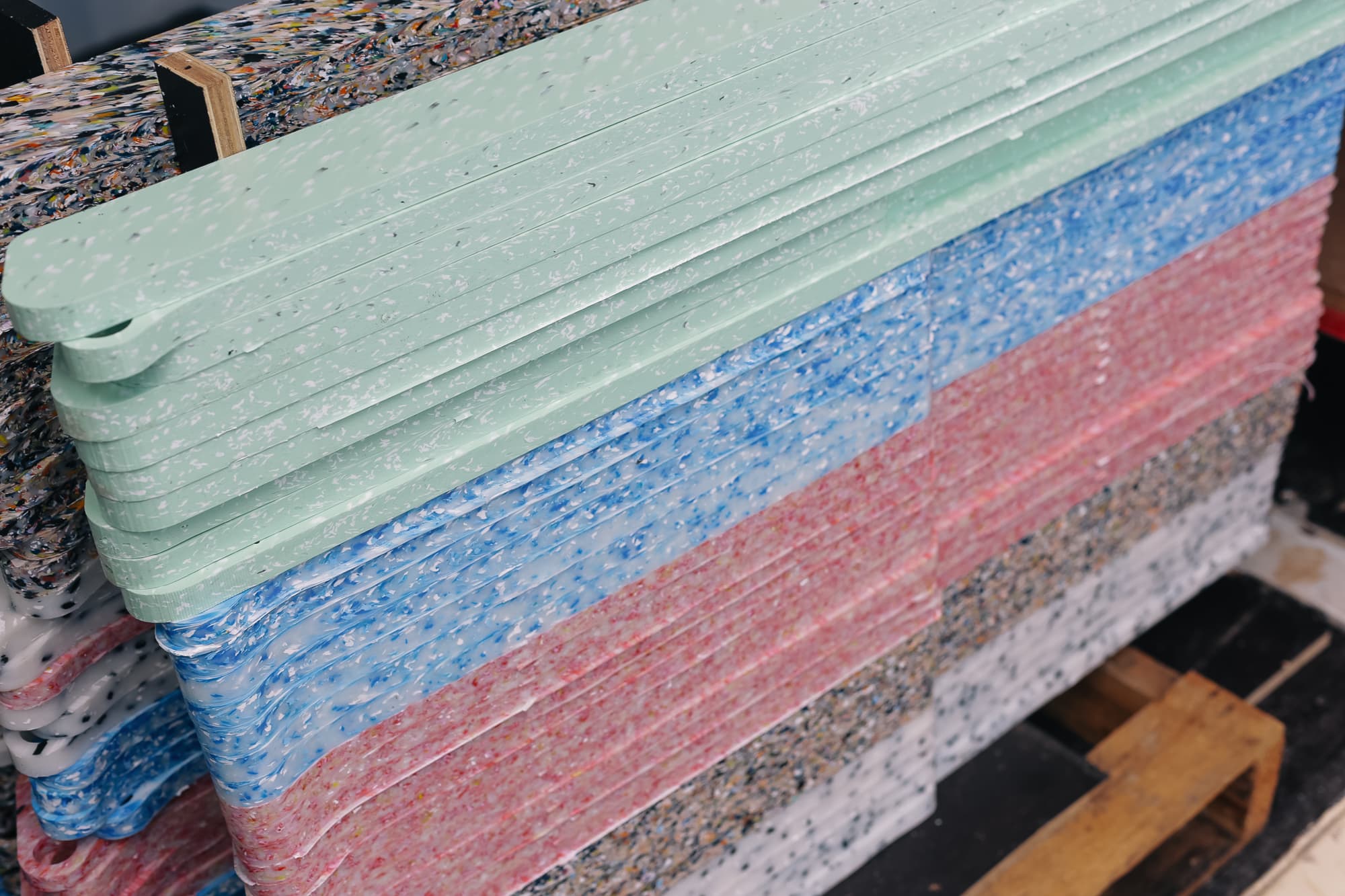
A containerised factory that travels to communities. Shred, press, cut. Turning plastic waste into bed components on-country.
On-Country Manufacturing
The Portable Factory
A fully containerised production plant. Fits in a shipping container, sets up in a day. Shredder, hydraulic press, and CNC cutter turn community plastic waste into precision-cut bed components.
Capacity: ~30 beds per week. Each bed diverts 20kg of HDPE plastic from landfill. Local people operate the machinery. Real jobs, real skills, real ownership.
Impact
This isn’t a concept. It’s working.
Tennant Creek
Northern Territory
Diane named the washing machine "Pakkimjalki Kari" in Warumungu language
Alice Springs
Northern Territory
Oonchiumpa — 100% Aboriginal-owned consultancy leading co-design
Palm Island
Queensland
"Hardly anyone around the community has beds" — Ivy, Palm Island
Utopia Homelands
Northern Territory
Supporting families on remote outstations
Maningrida
Northern Territory
Serving multiple language groups across Arnhem Land
The Model
Commerce, not charity
Products that are Aboriginal owned and controlled, sold commercially. Our job is to become unnecessary.
Hear From Community
Beds and Dignity
Cliff Plummer · Palm Island
Cliff speaks about how essential goods connect to dignity and community health.
Hear From Community
Fred — Oonchiumpa
Fred from the Oonchiumpa Bloomfield family on why community-led manufacturing matters and the path to ownership.
The Washing Machine Story
Elder Dianne Stokes
She named it “Pakkimjalki Kari” in Warumungu language. She didn’t just receive a product. She co-designed it, tested it, and named it for her community.
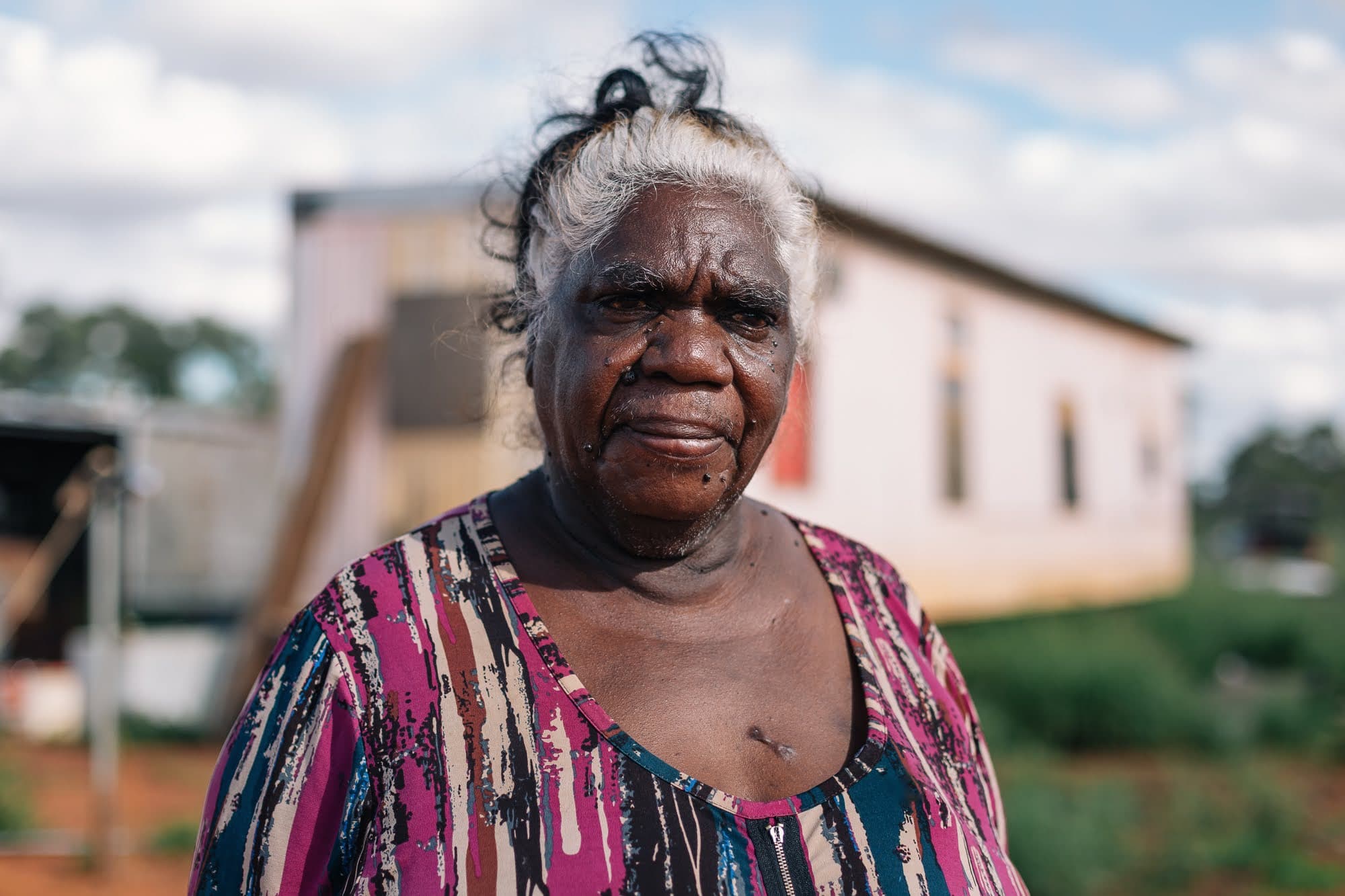
“Working both ways — cultural side in white society and Indigenous society.”
Partners
This work doesn’t happen alone
Community Partners
- Dianne Stokes
Elder & Co-designer · Tennant Creek - Norman Frank Jupurrurla
Warumungu Elder, Wilya Janta Founder · Tennant Creek - Oonchiumpa Consultancy
100% Aboriginal-owned consultancy · Alice Springs - Ebony & Jahvan Oui
Future manufacturing leads · Palm Island
Health Partners
- Anyinginyi Health
Tennant Creek - Miwatj Health
East Arnhem - Purple House
Central Australia - Red Dust
Darwin
Funders & Supporters
- Snow Foundation
Major strategic partner - Vincent Fairfax Family Foundation
Grant funding - FRRR (Backing the Future)
Grant funding - AMP Spark
Program funding - The Funding Network
Crowdfunding
Advisory Group
What’s Next
Containerised manufacturing at scale
QLD Flagship — Jinibara Country
1,500 beds · 6 jobs
Central Australia — Oonchiumpa
3,500 beds · 12 jobs
Top End or Torres Strait
5,000 beds · 18 jobs · 125t plastic diverted
“When someone asks ‘Who makes these?’ and the answer is ‘We do.’”
We’re not building beds. We’re building a model where communities manufacture their own future.
Durable products from community waste. Local jobs. Community ownership. The disposable furniture cycle ends here.
Buy a Stretch Bed
From $600
Sponsor a Bed
Gift a bed to community
Partner With Us
Organisations & funders
hi@act.place · goodsoncountry.com