
369+beds delivered
8communities
20kgplastic diverted per bed

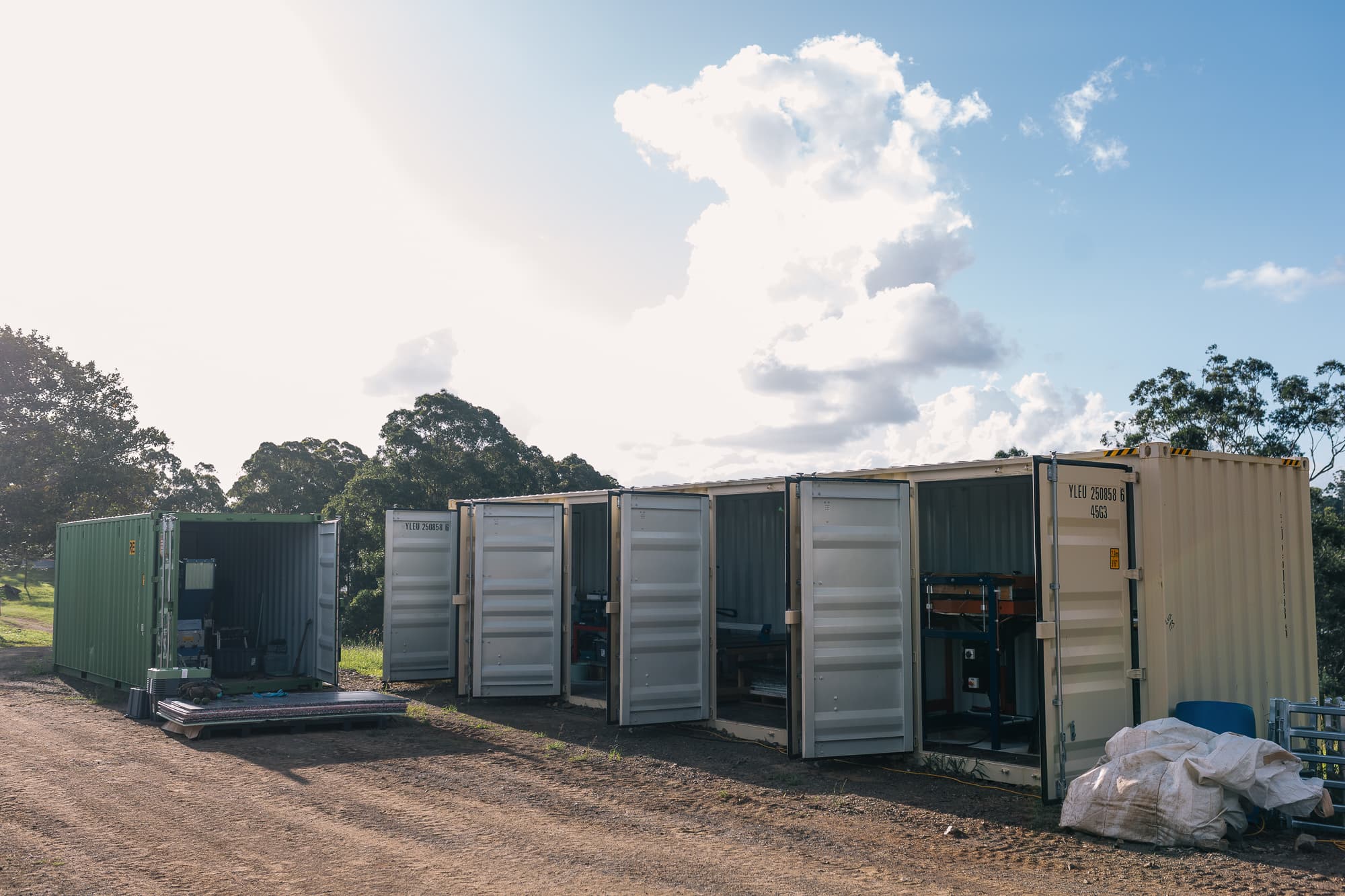
Travelling On-Country Plastic Re-Production Facility

Operations, Safety & Training Manual

Version: 1.0  •  Document type: Field Manual  • Audience: Operators, Youth Trainees, Site Leads

1. Purpose of the Facility

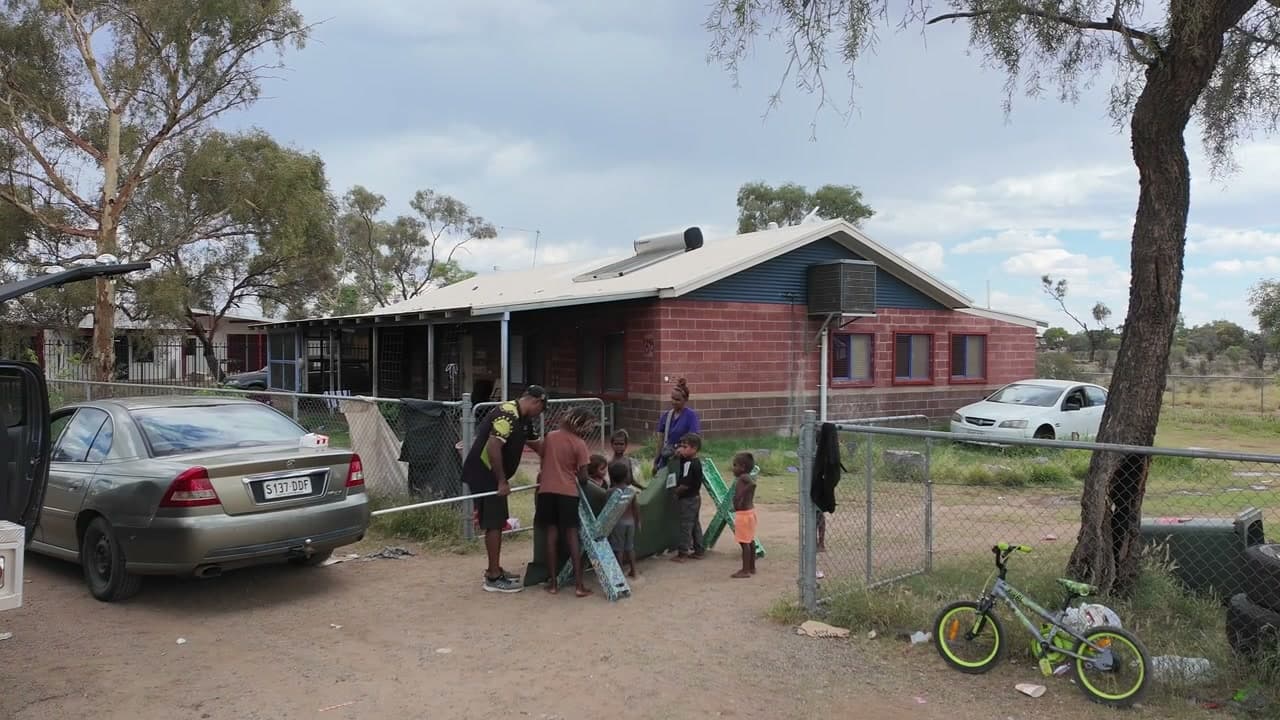
This travelling production facility converts recycled plastic into modular tension beds designed for use in remote and Indigenous communities.

  • Reduce plastic waste locally
  • Support organic and regenerative growing practices
  • Enable community-owned production and income
  • Create a repeatable, teachable system that can move between locations

The facility is designed to be mobile, repairable, and bolt-together(no glue, no welding in the final product).

2. Product Overview – Tension Bed System

2.1 What the Bed Is

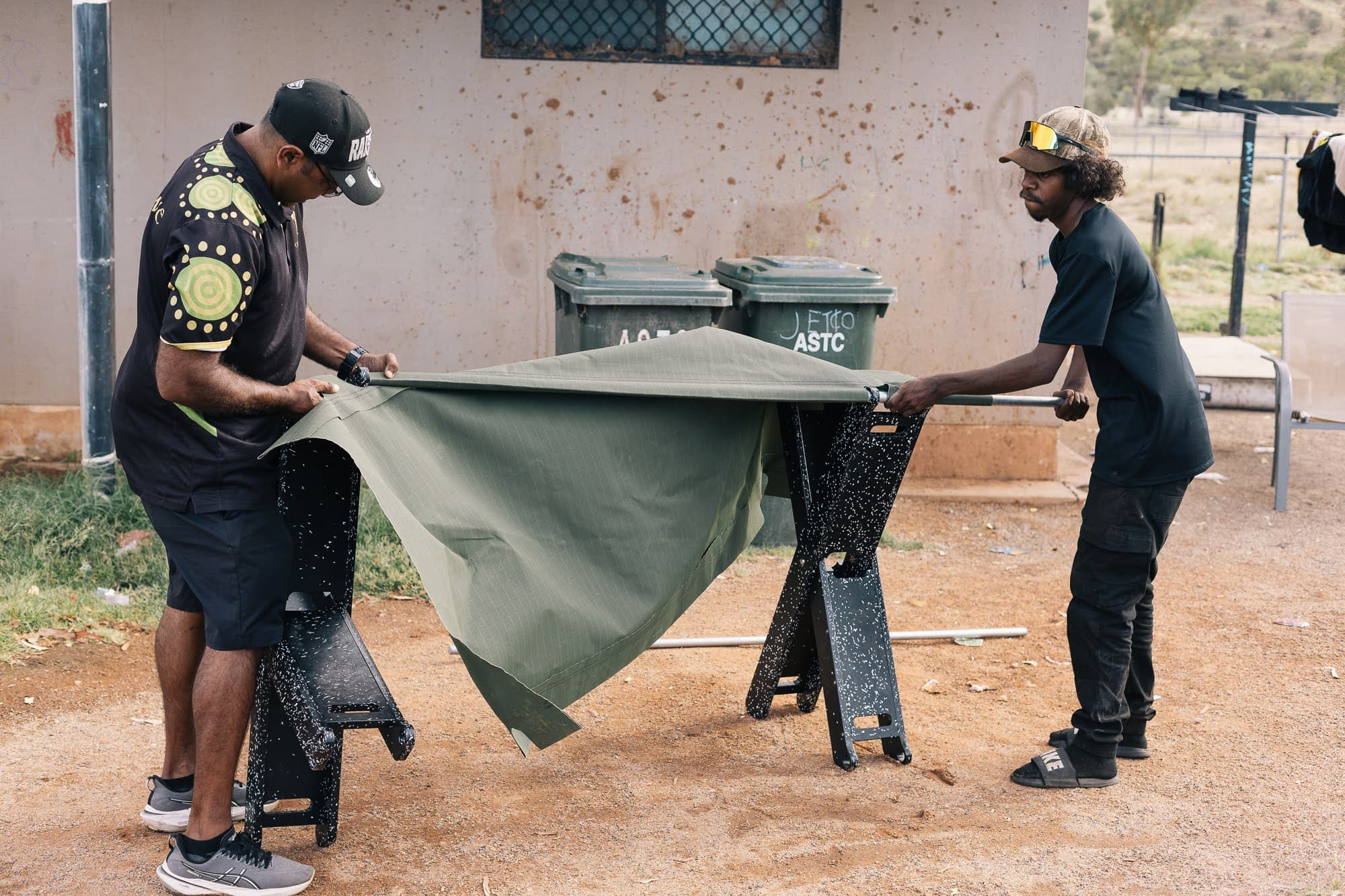
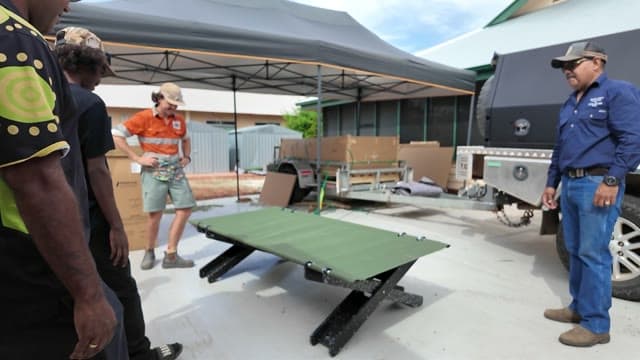
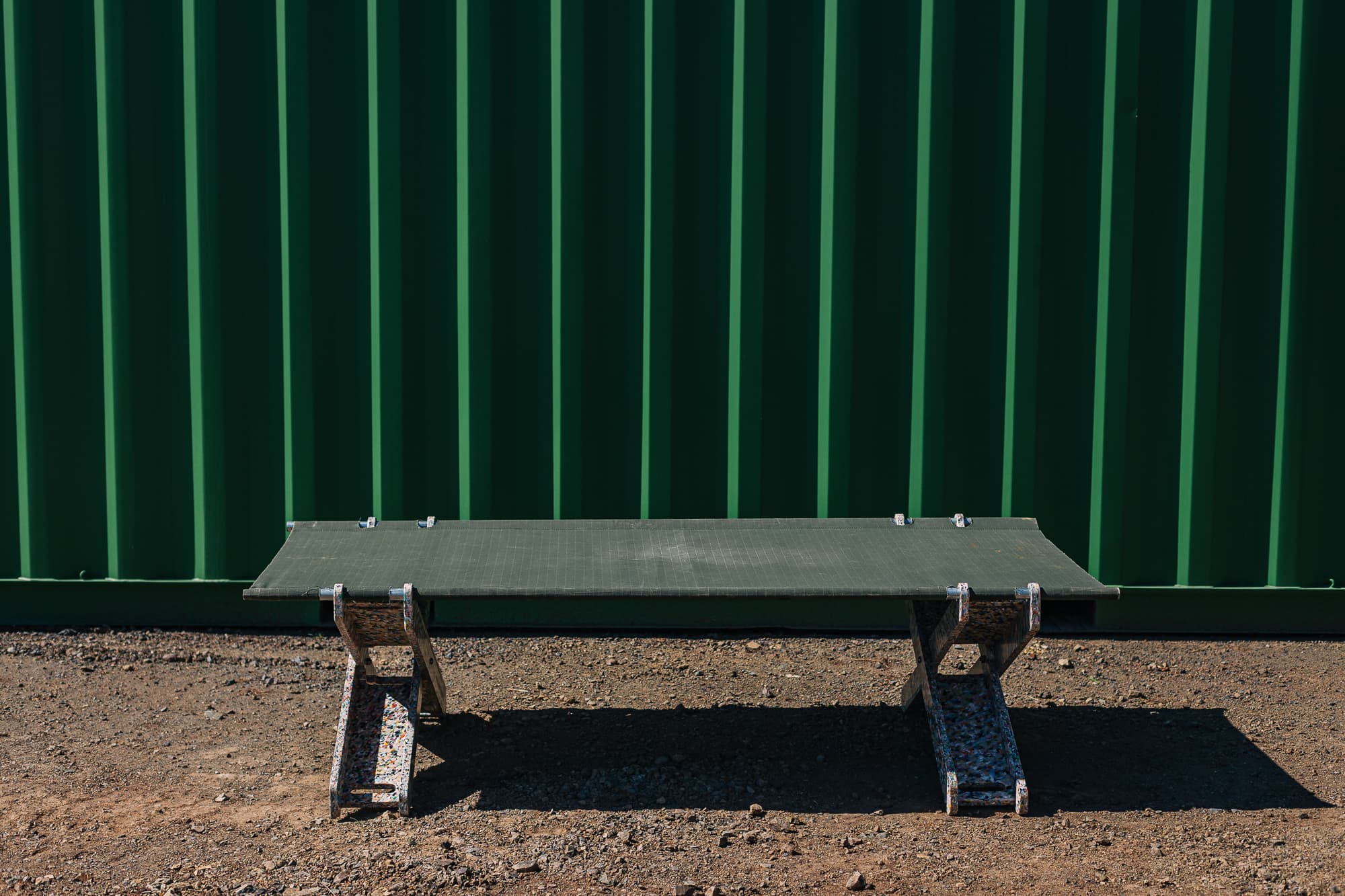
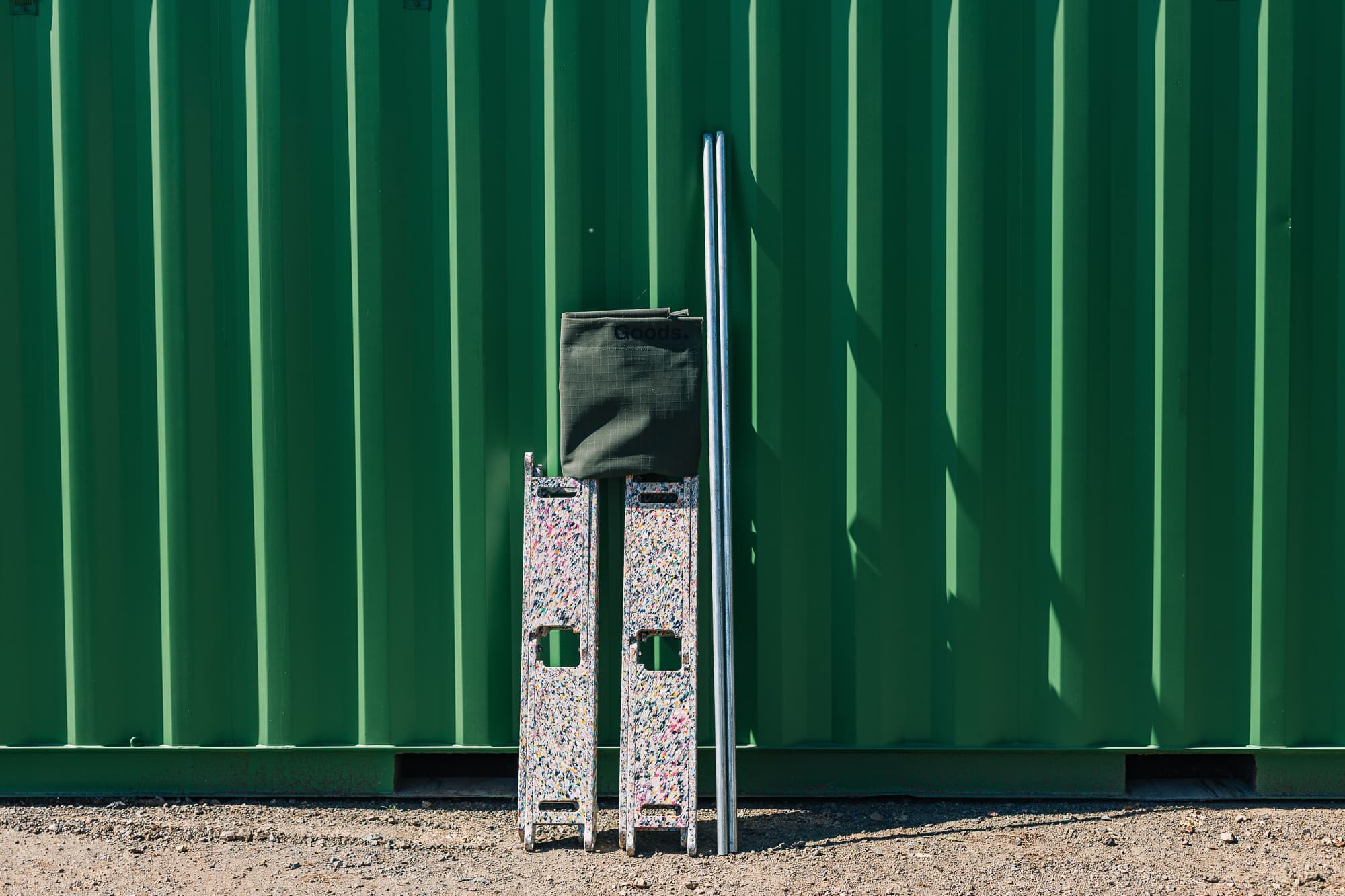
Each finished bed uses two crossed X-frame leg assemblies, two metal tension rods, and one canvas growing surface. The design packs flat, assembles quickly, and is made for repair and reuse.

2.2 Parts per Bed (Fixed Standard)

This ratio does not change. All counting and inventory is based on the recipe below.

Bed Recipe (Standard)

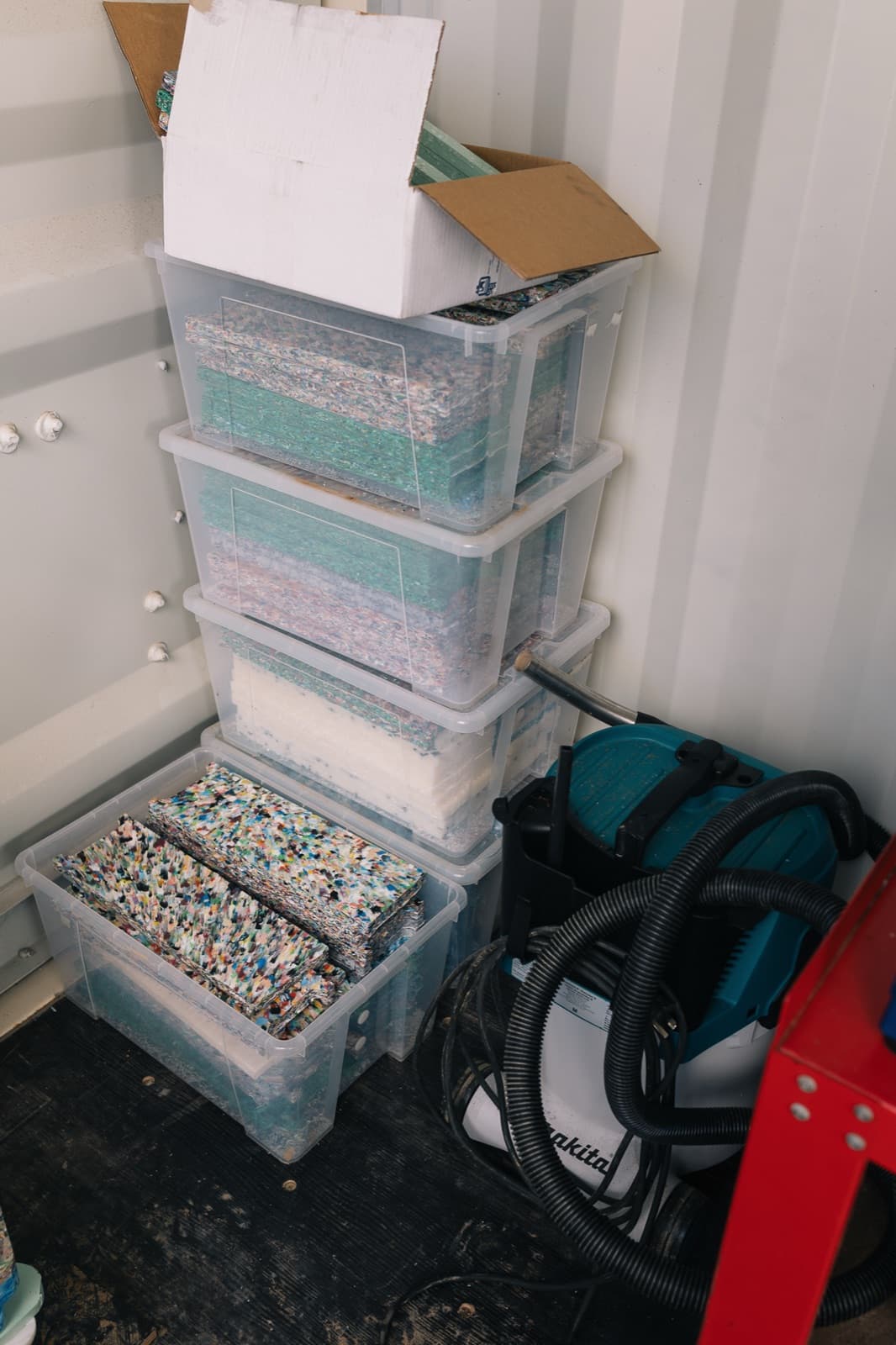
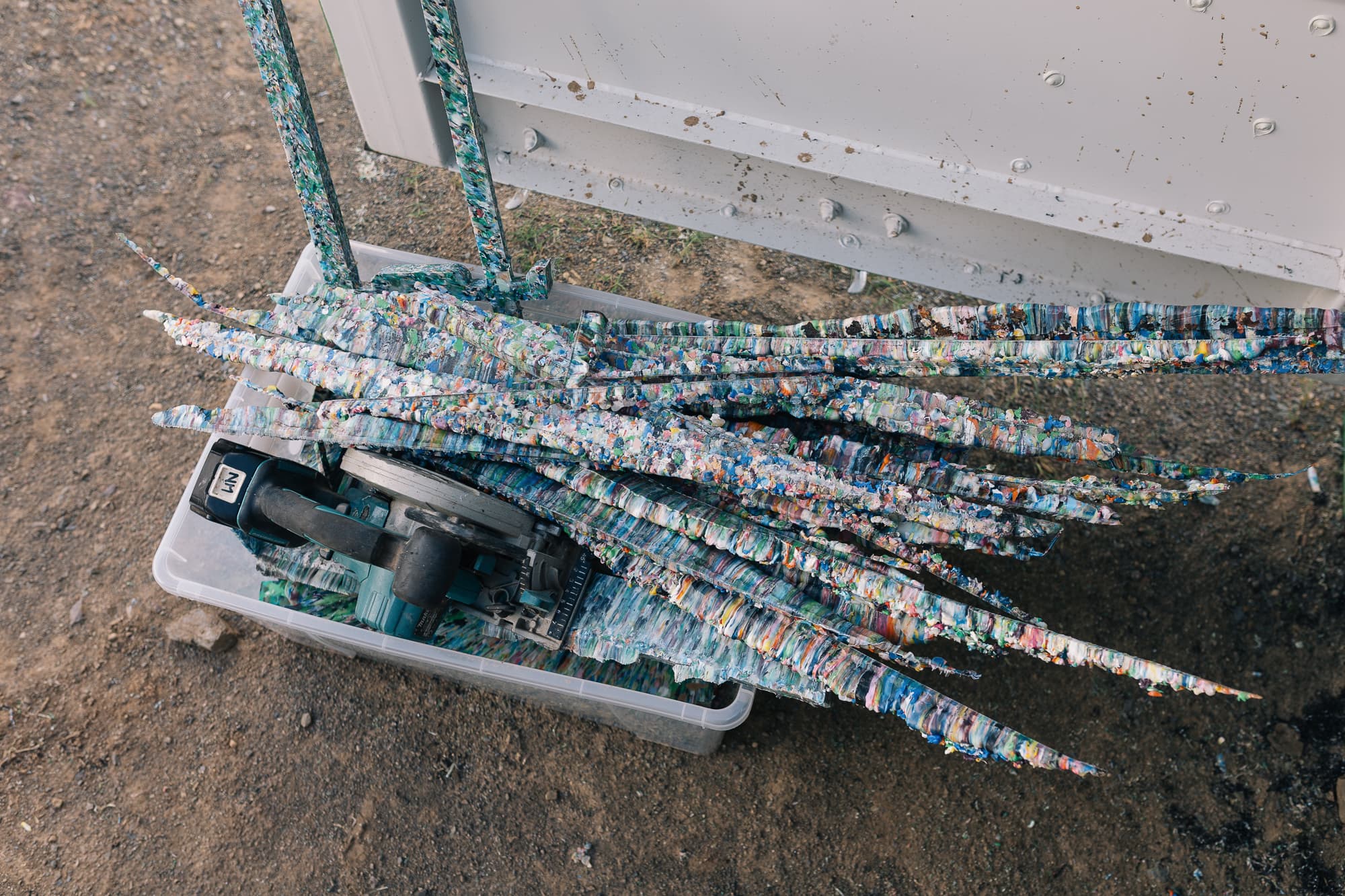
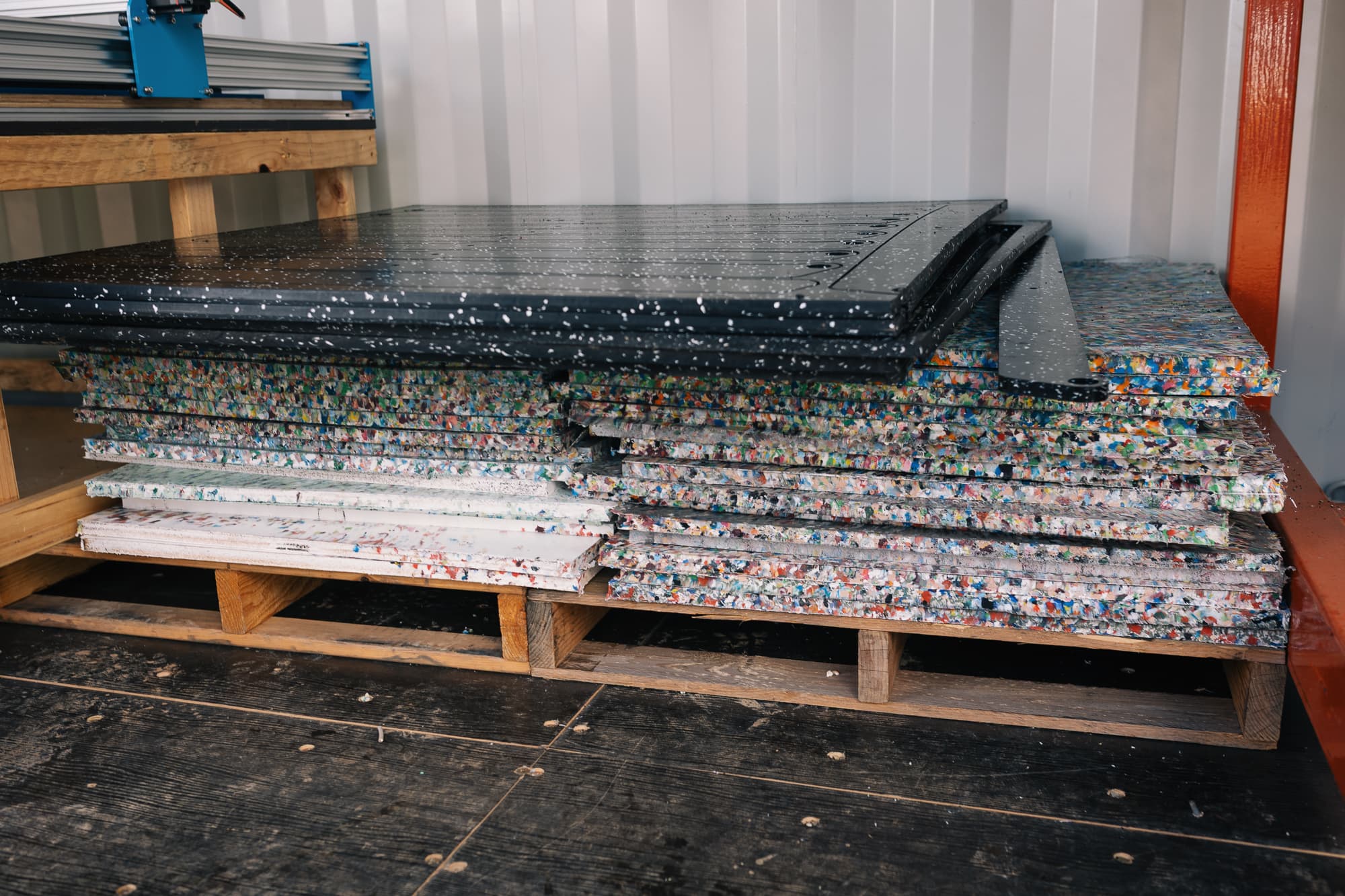
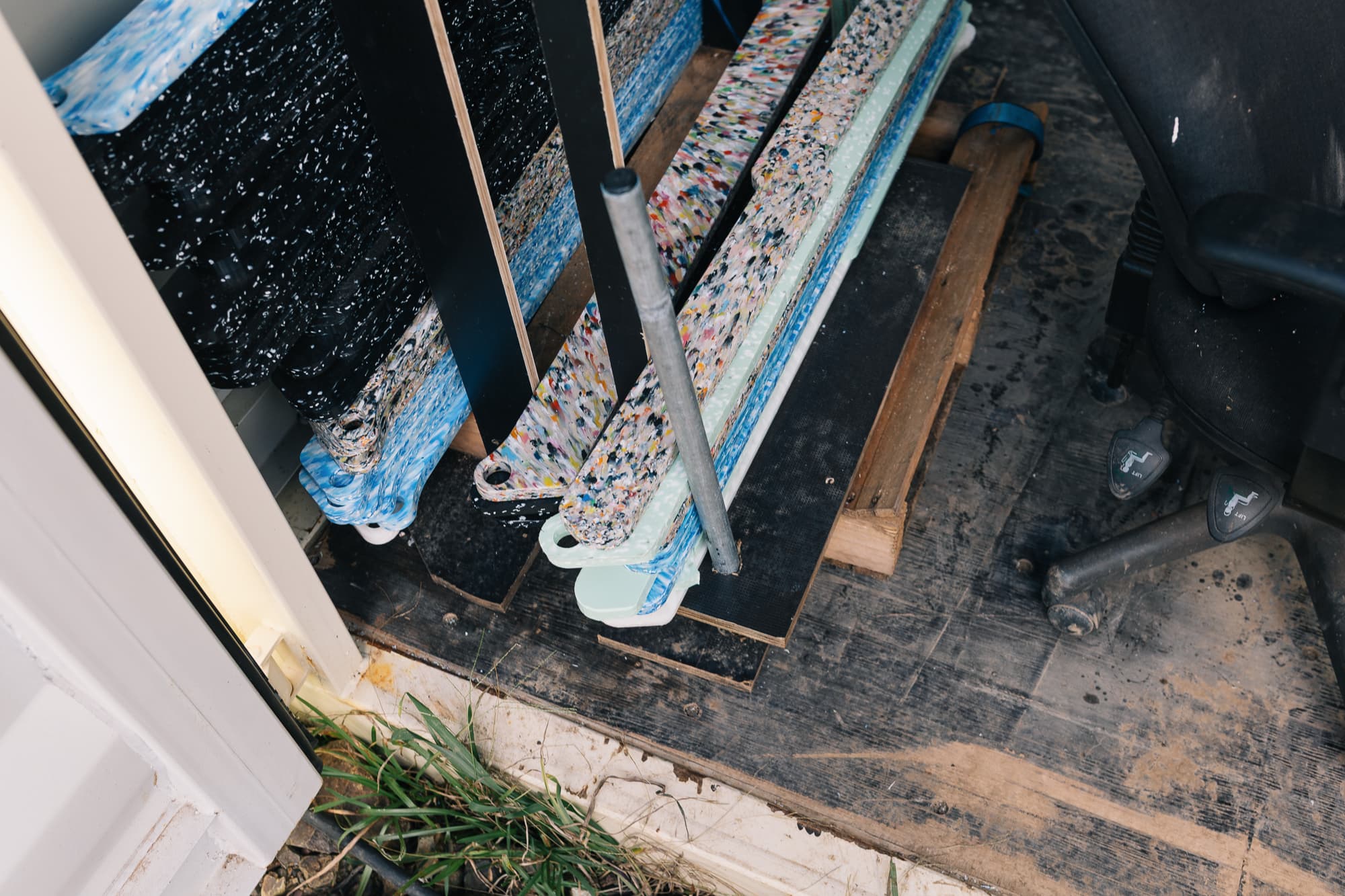
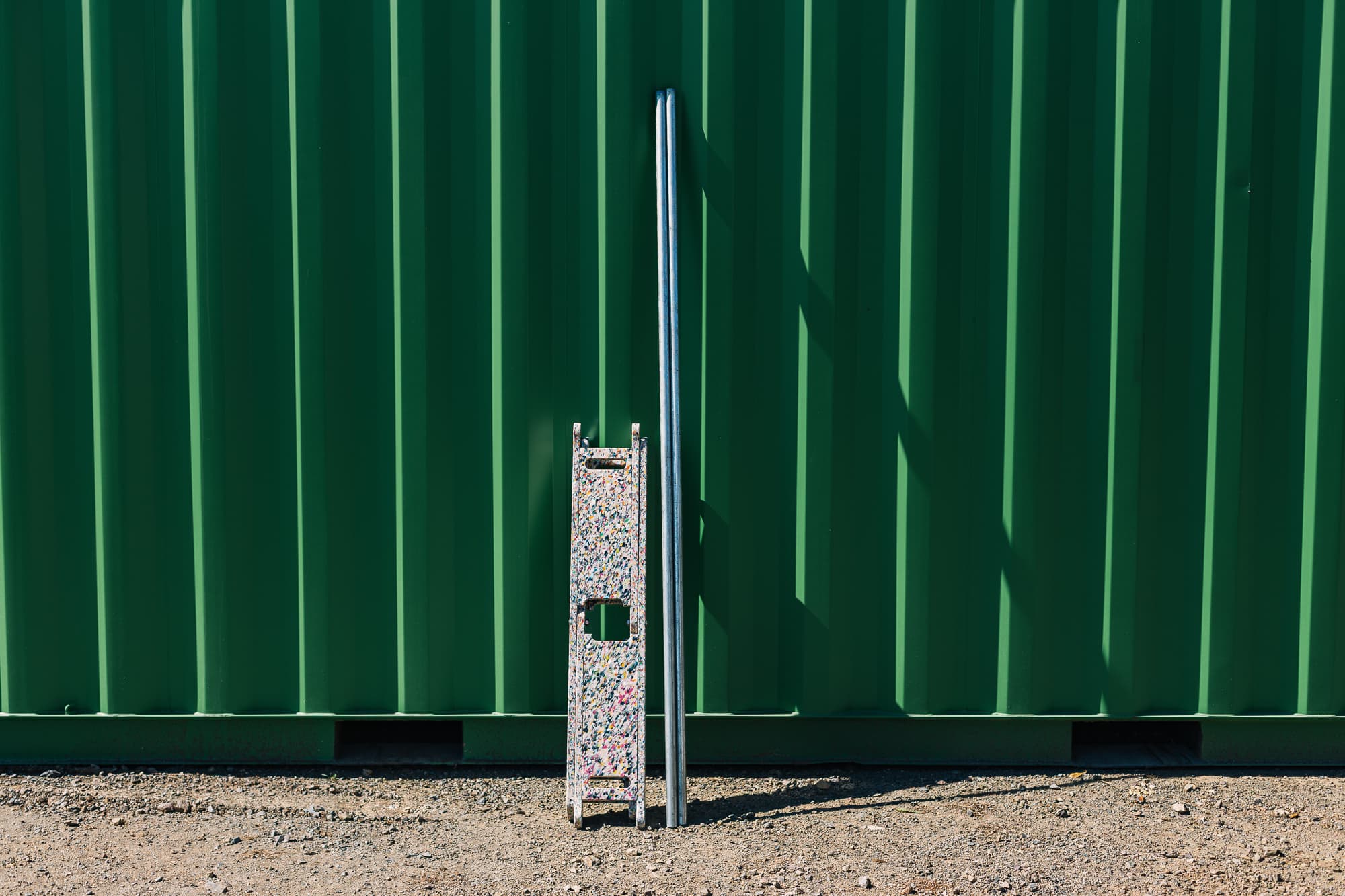
  • 8 long plastic legs
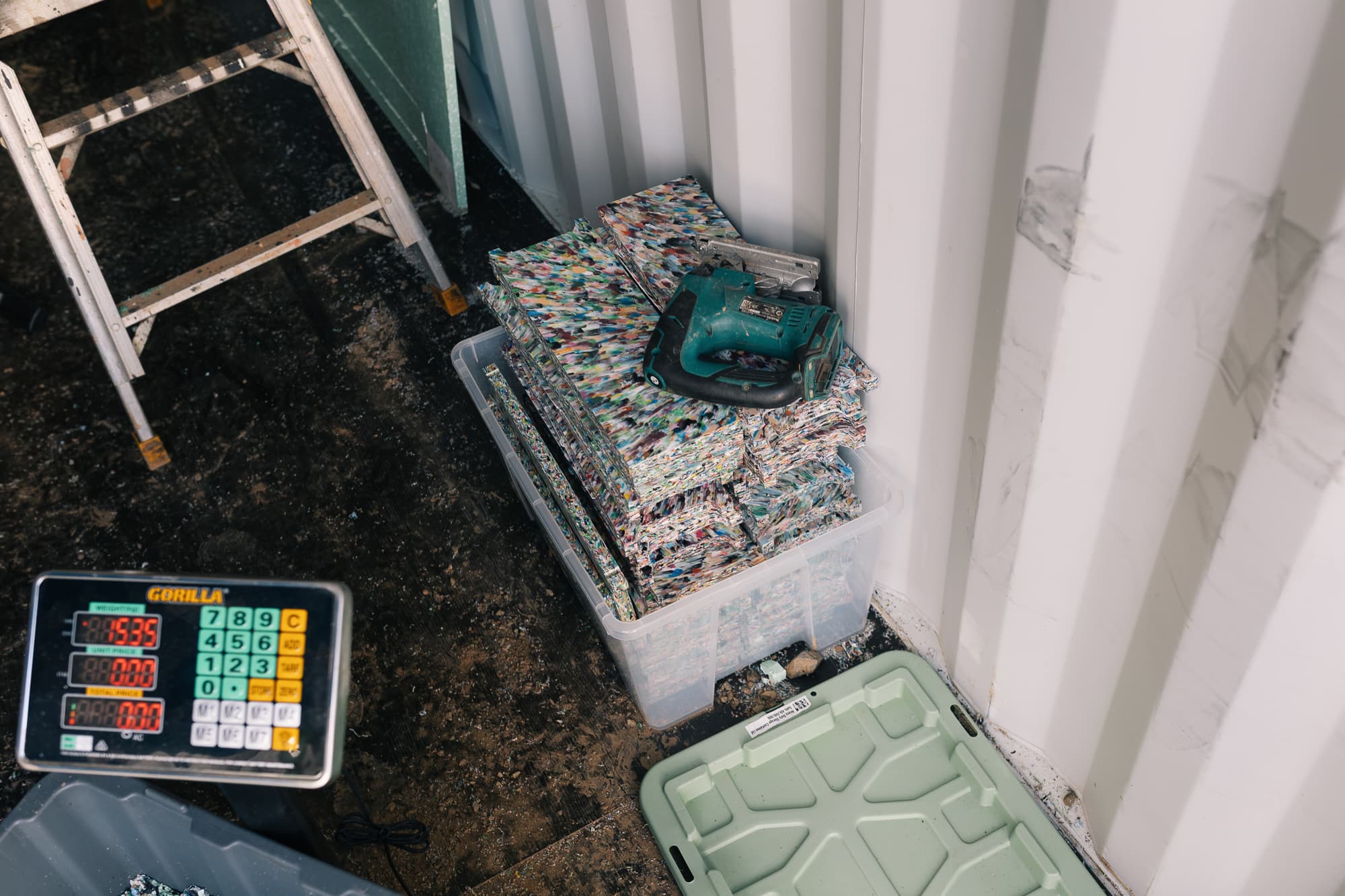
  • 8 plastic blocks
  • 2 metal rods
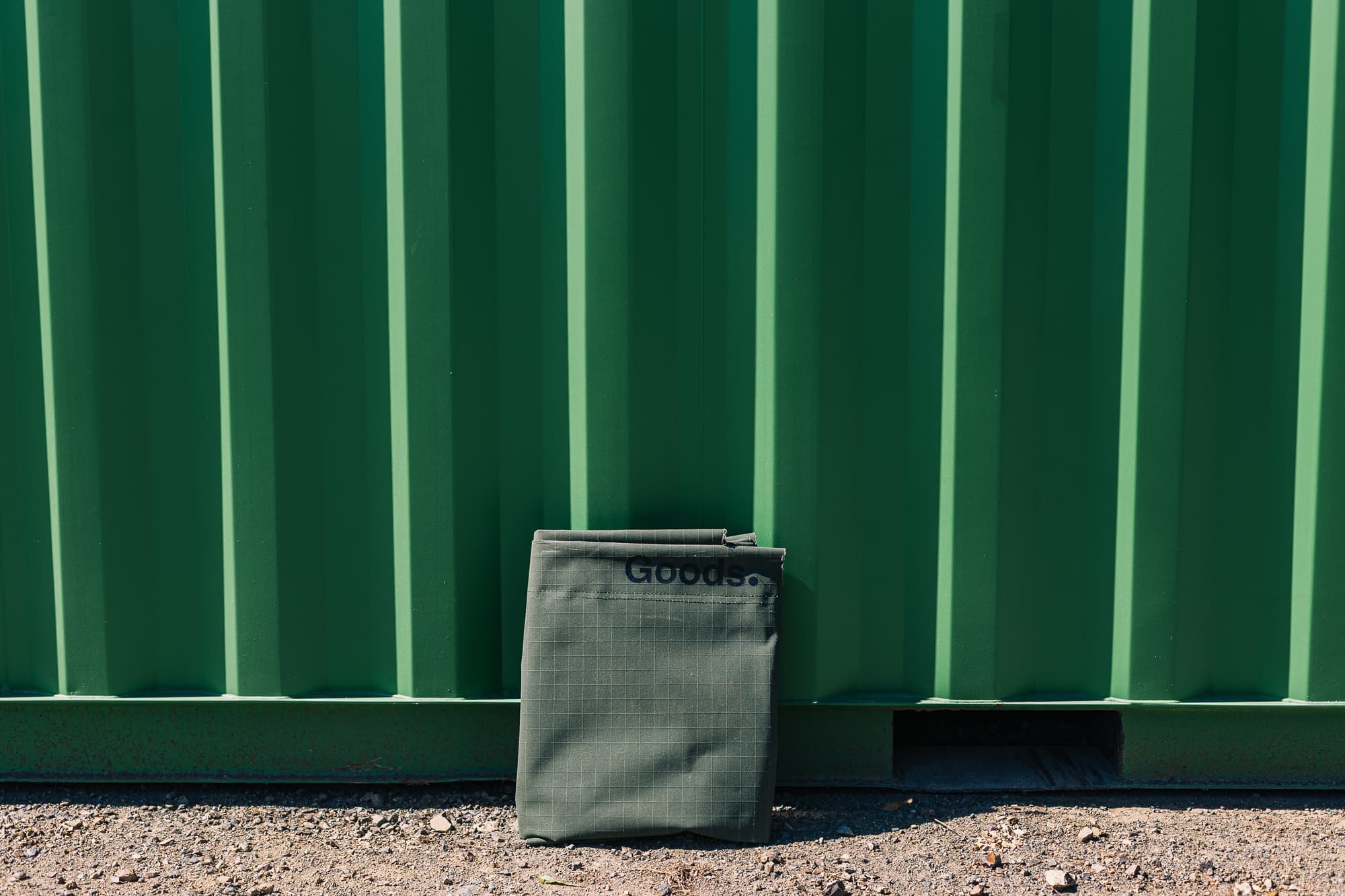
  • 1 canvas top

Geometry: 1 X-frame = 4 legs + 4 blocks1 bed = 2 X-frames

2.3 Visual Parts Identification

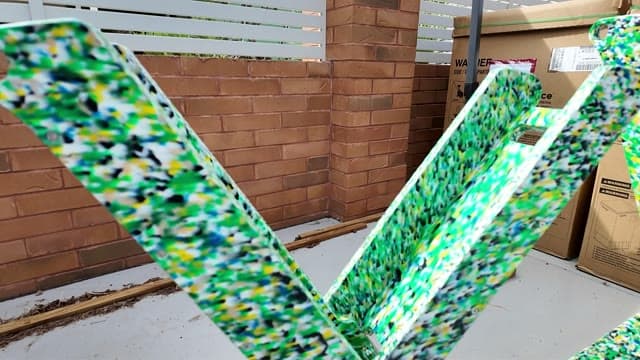
Add your photos here for clarity (legs, blocks, rods, canvas, assembled bed).

Image: X-frame legs and blocks (to be added)

Example: X-frame made from two crossed legs (add real image paths).

3. Mobile Container Setup & Machine Flow

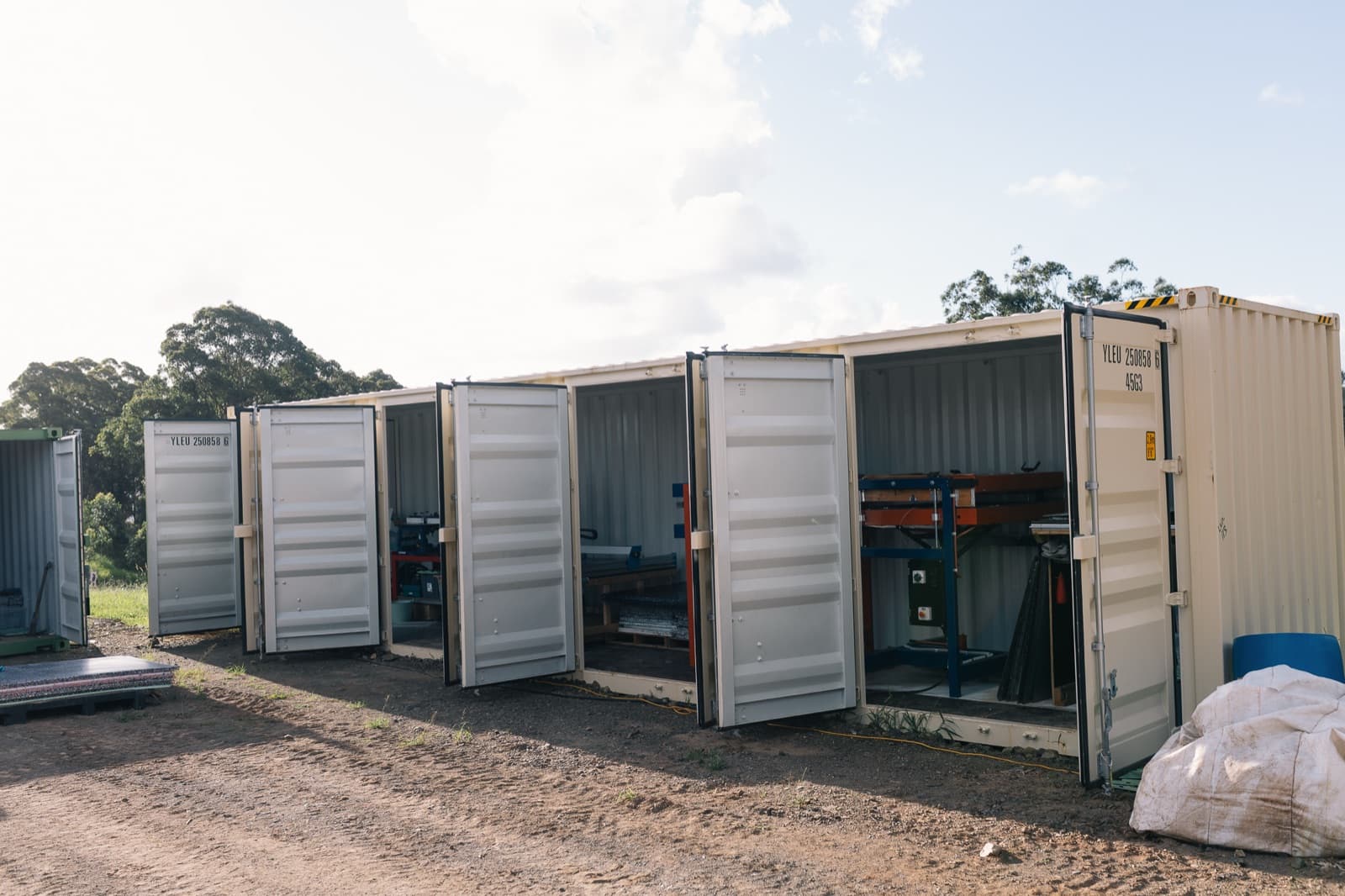
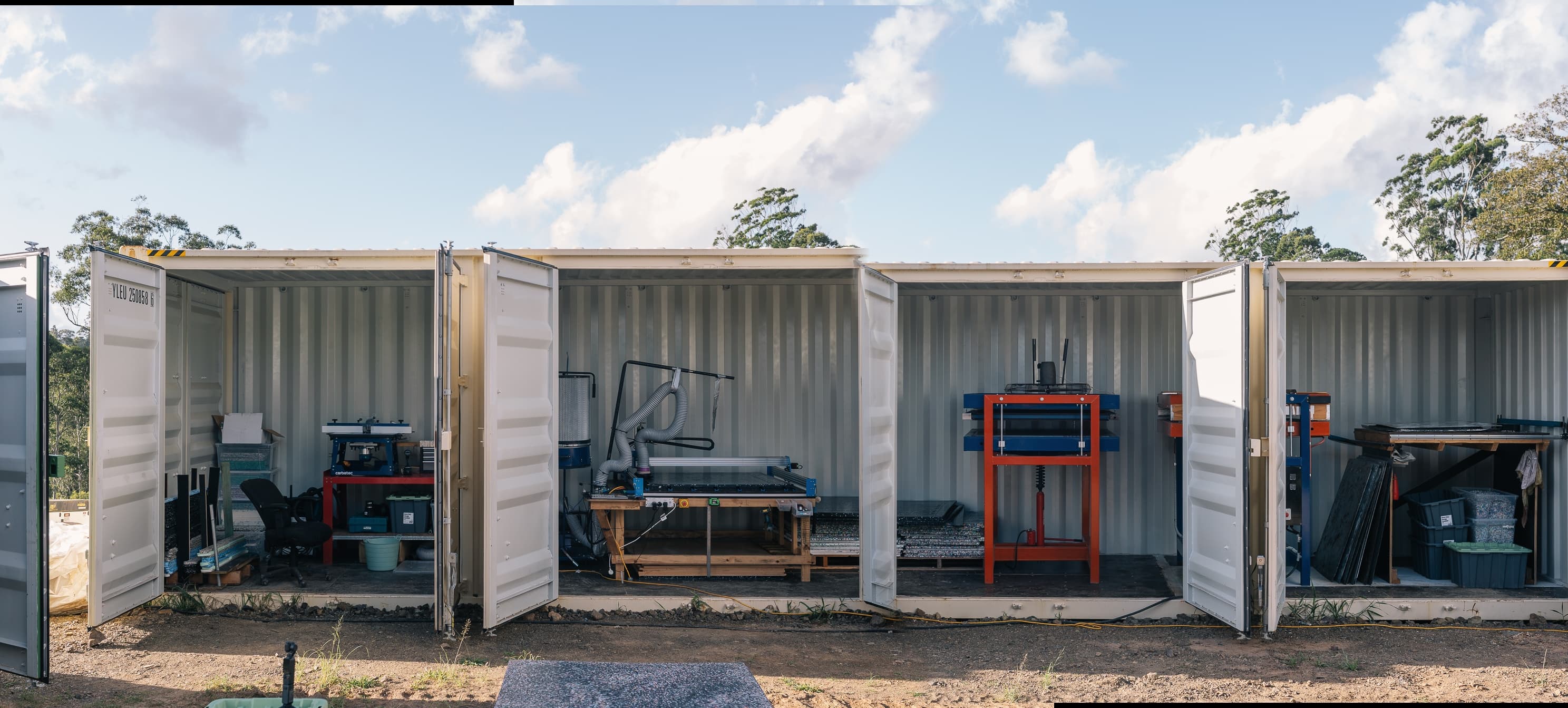
3.1 Container Overview

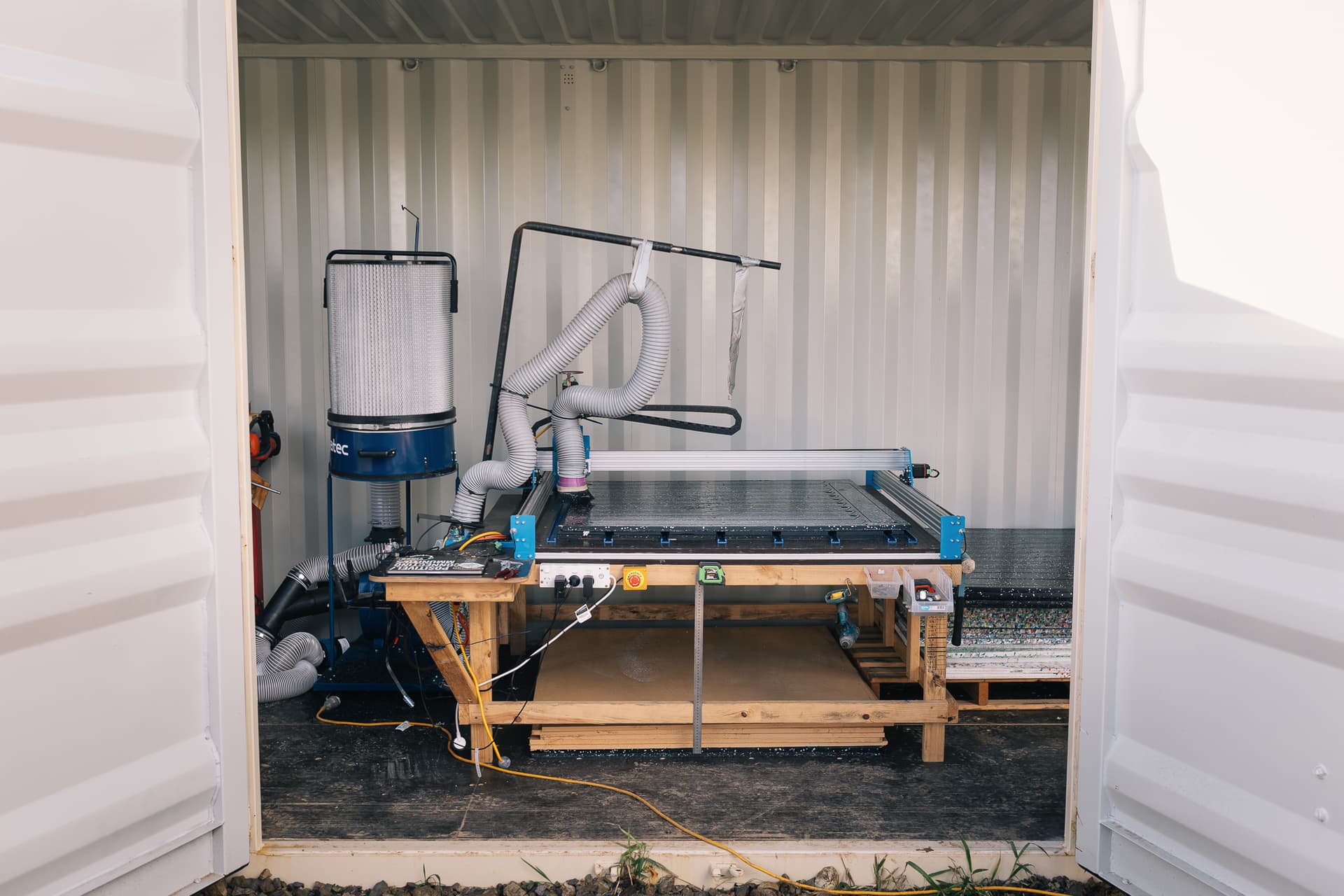
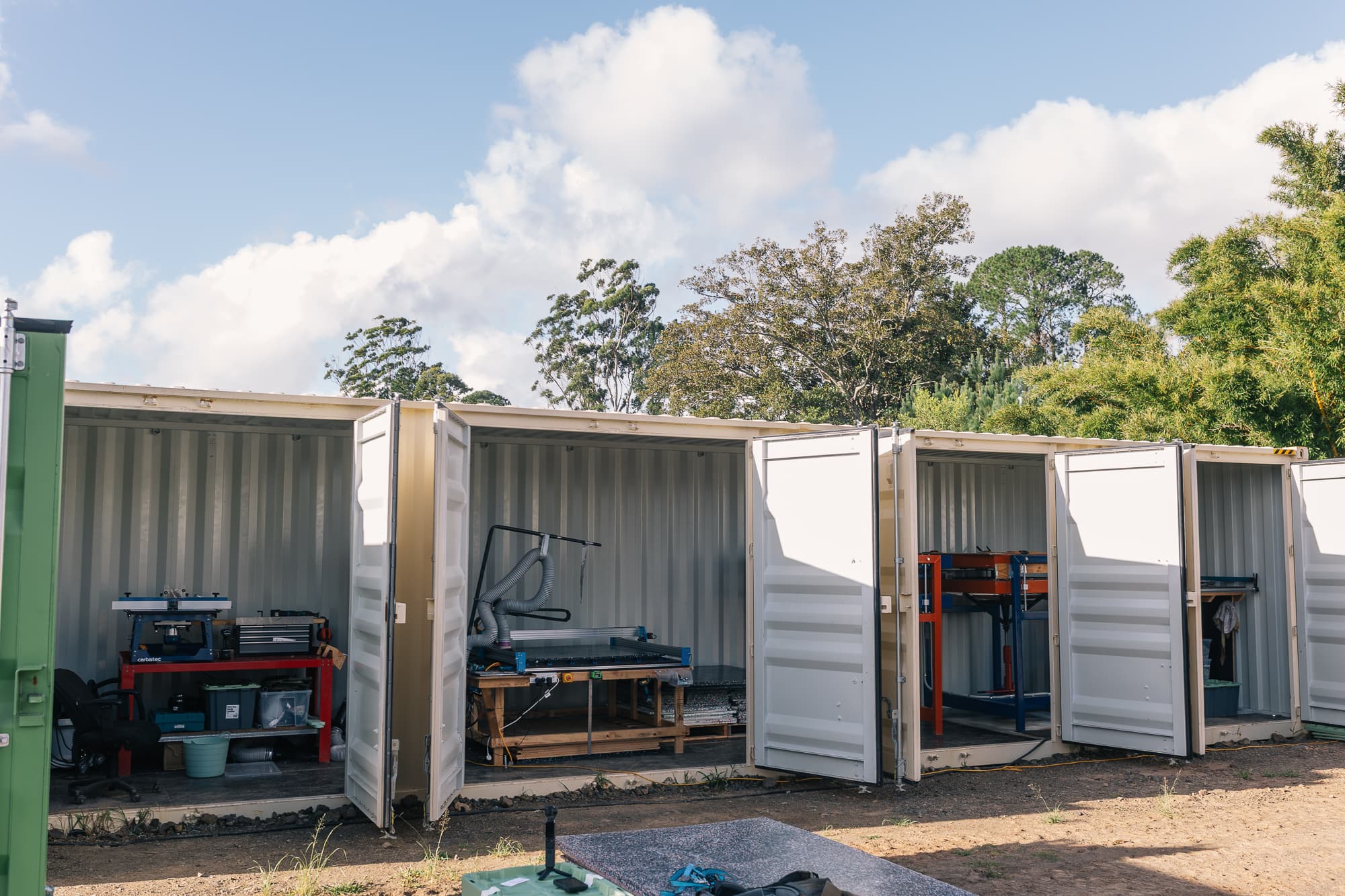
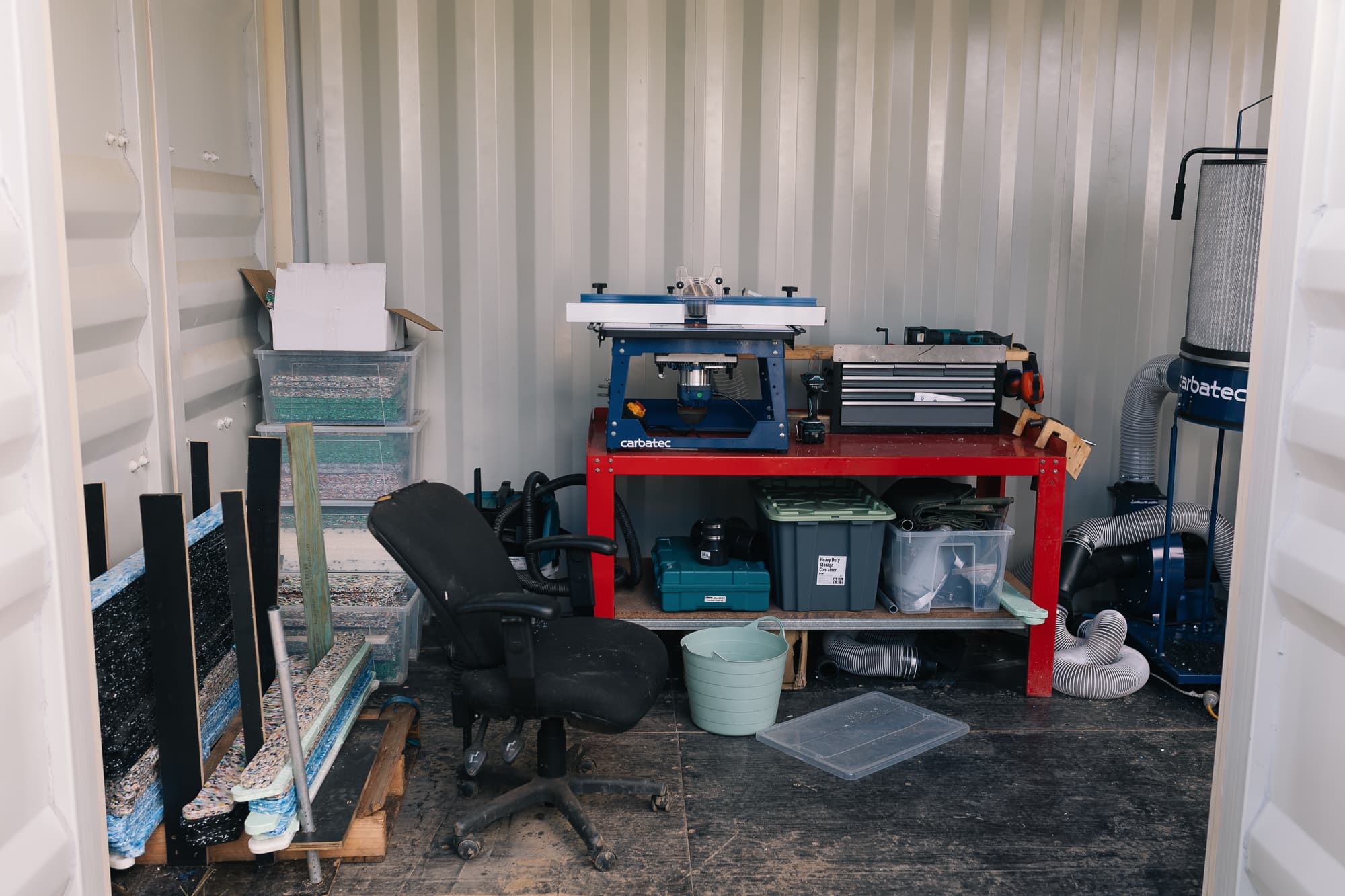
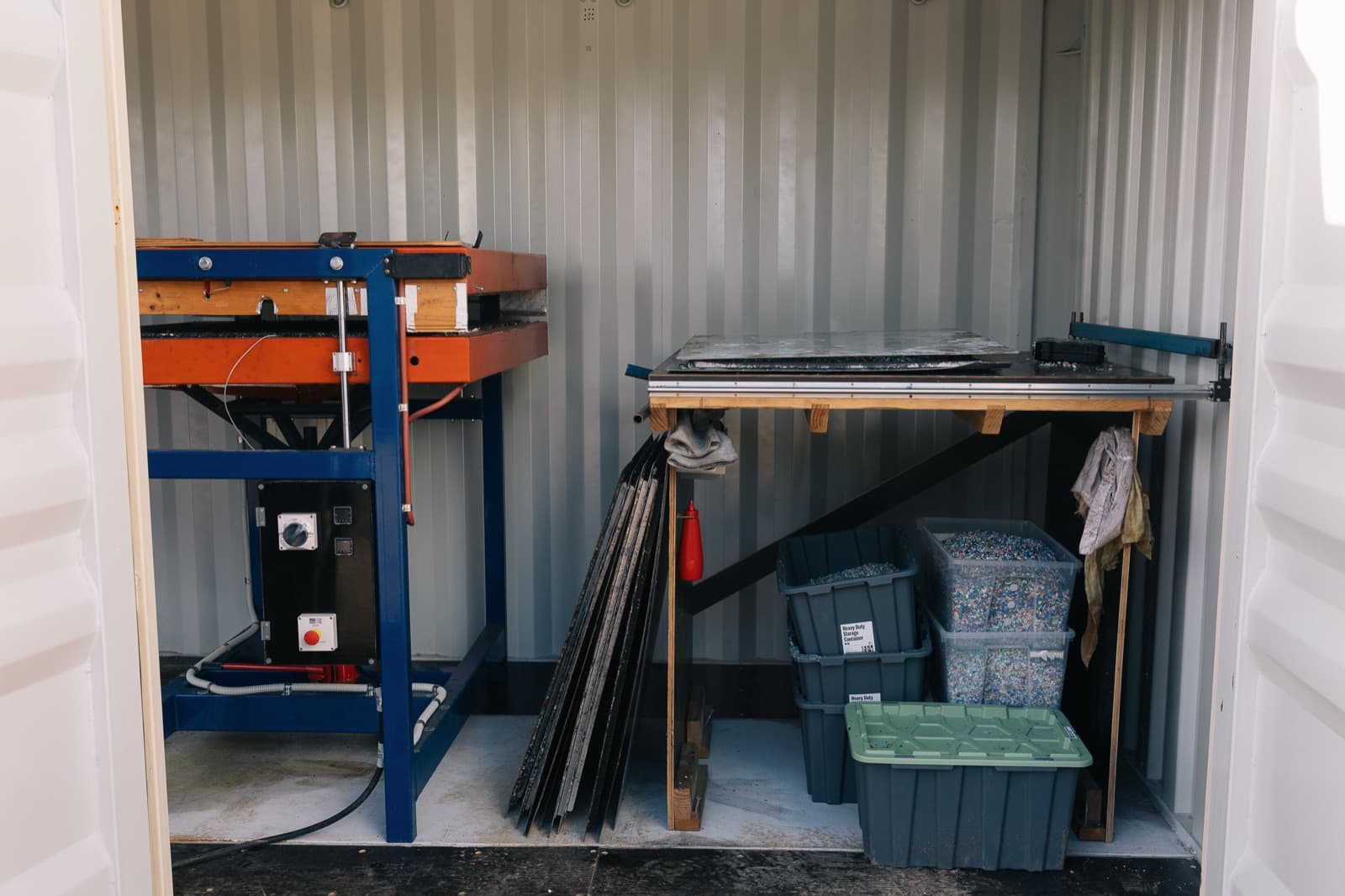
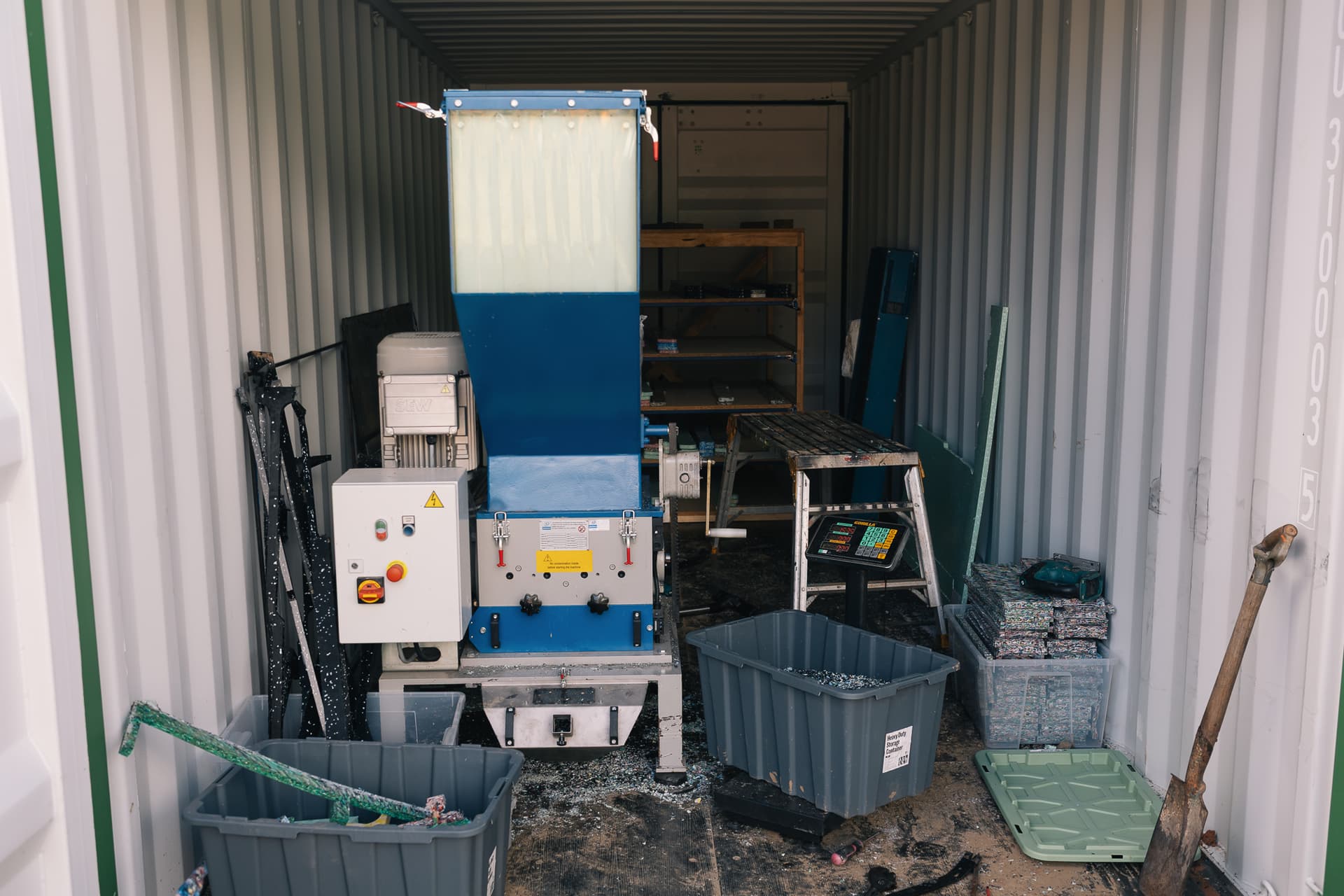
The container is a mobile, enclosed workshop that houses fixed machinery for processing plastic, forming sheets, and cutting parts. Bed assembly happens outside the container to keep the interior clear and safe.

3.2 Machine Zones (Recommended Layout)

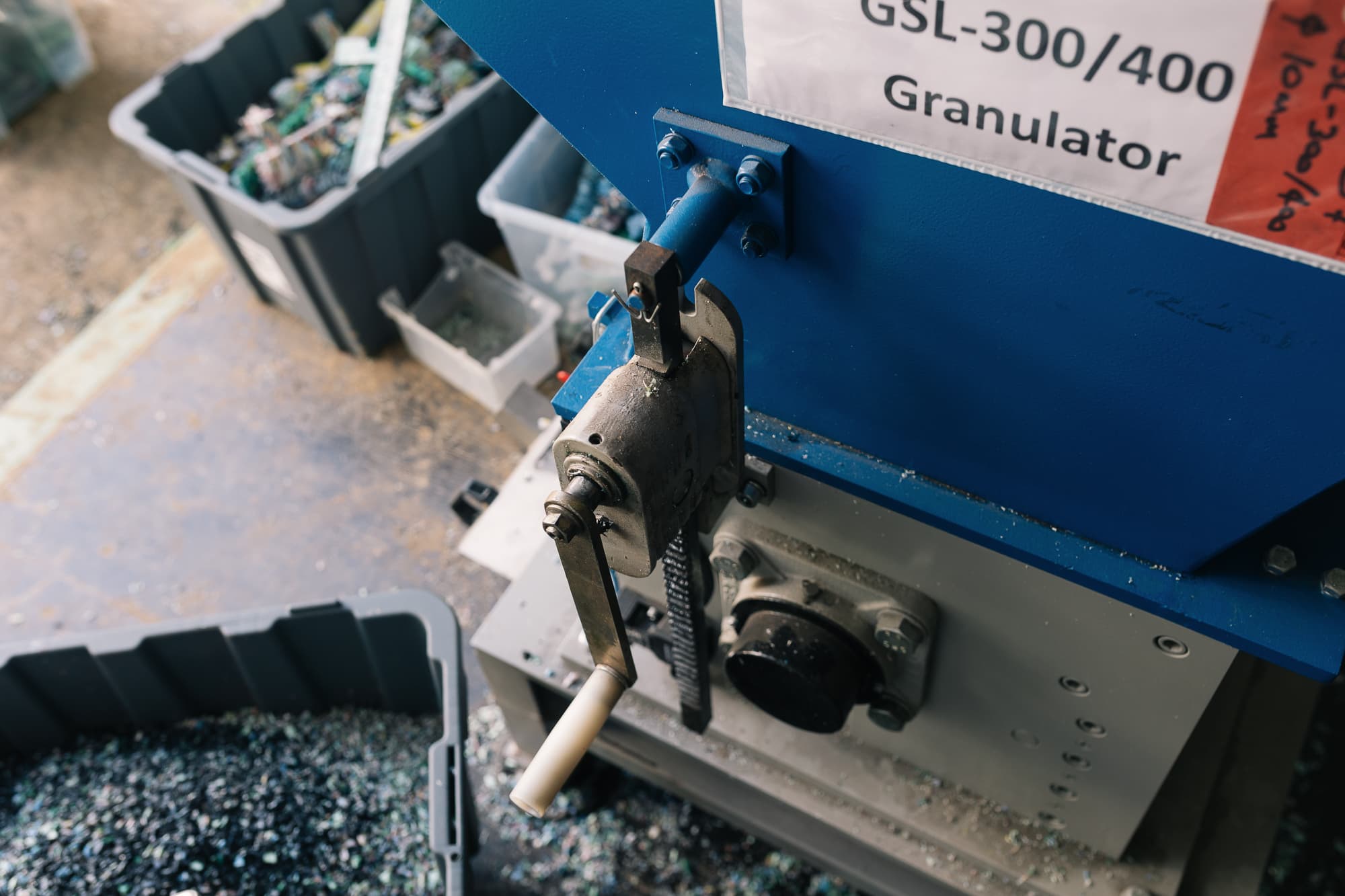
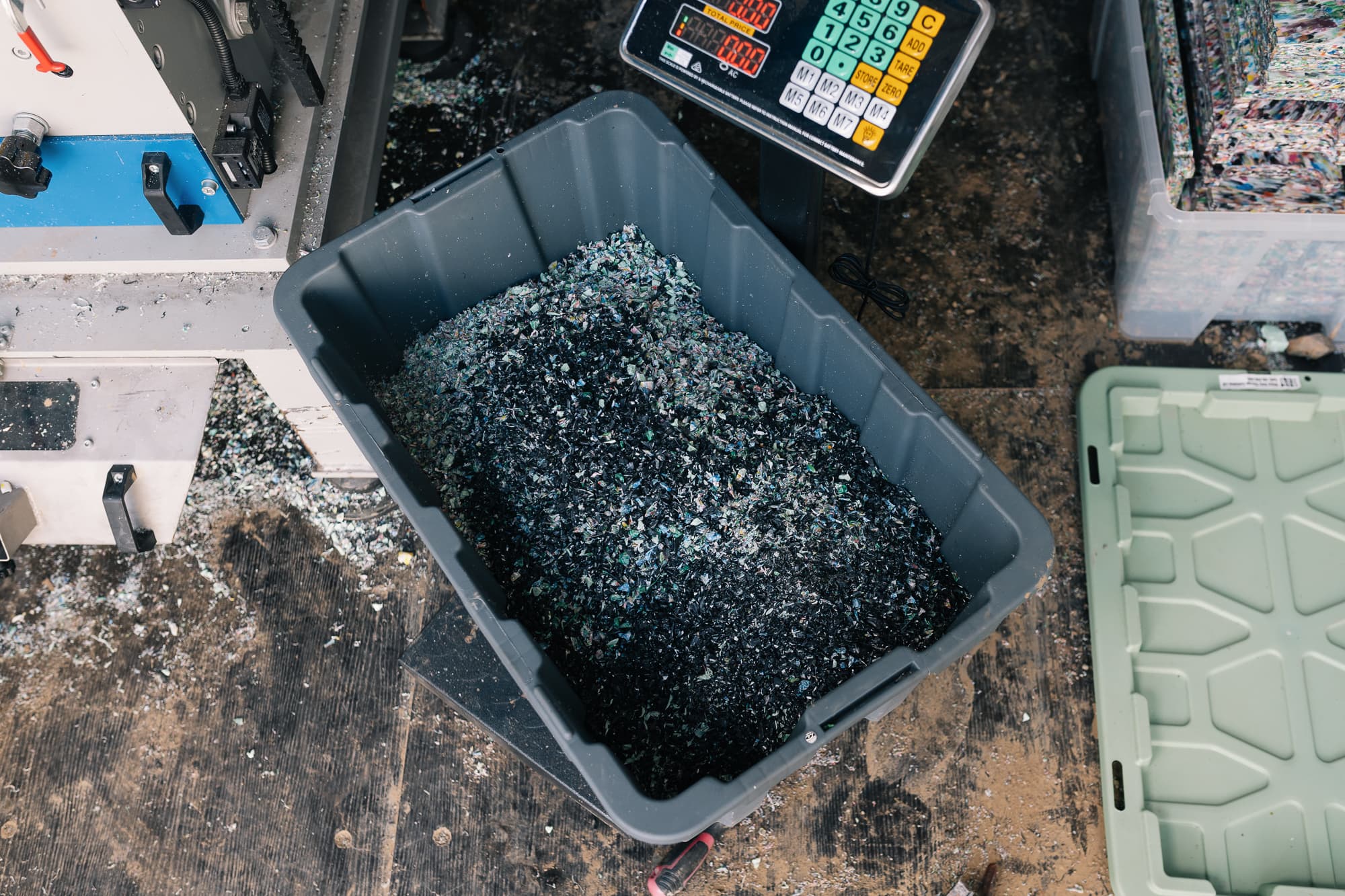
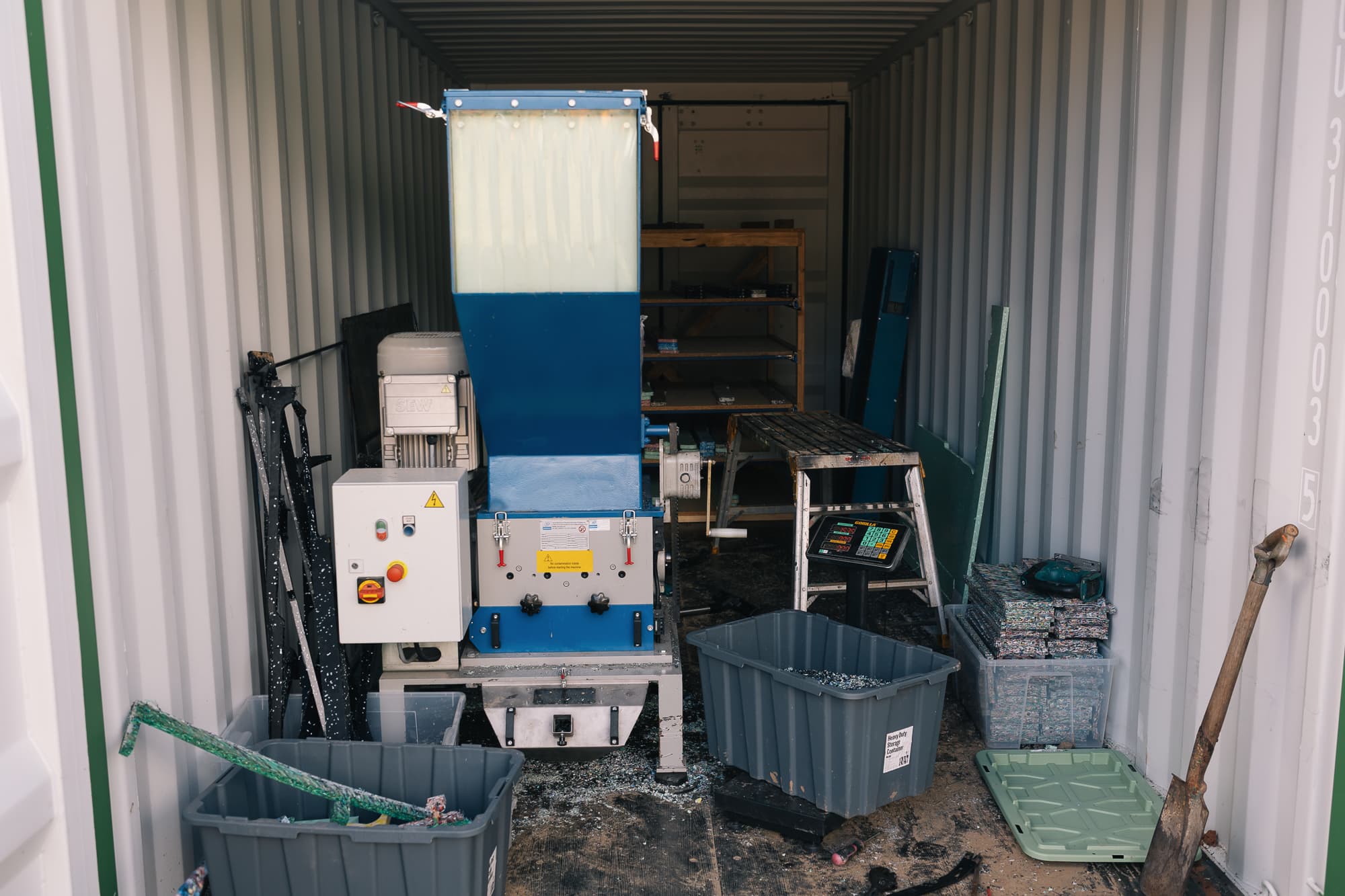
  1. Zone A — Plastic Intake & Shredding: waste plastic → shredded feedstock
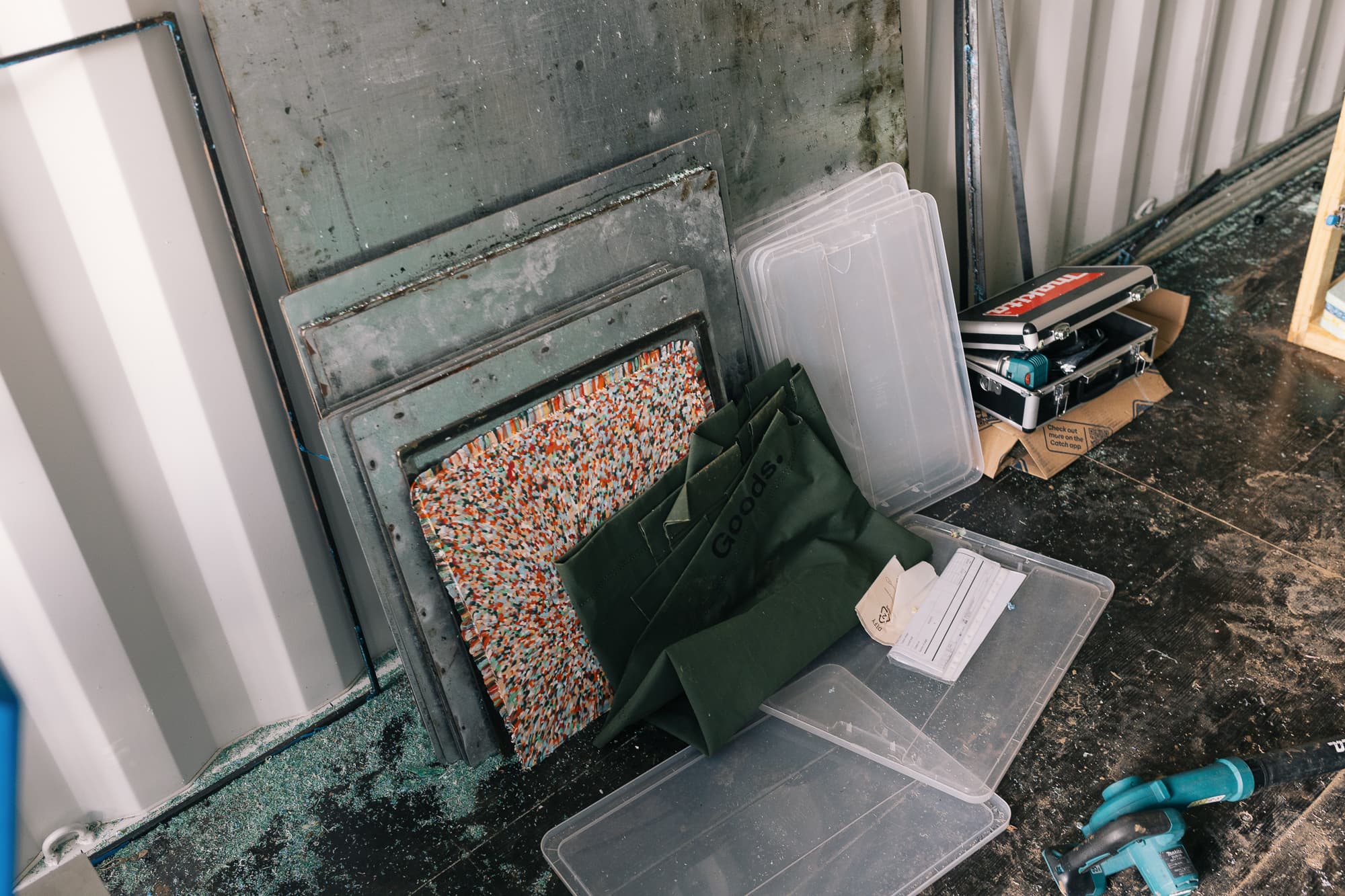
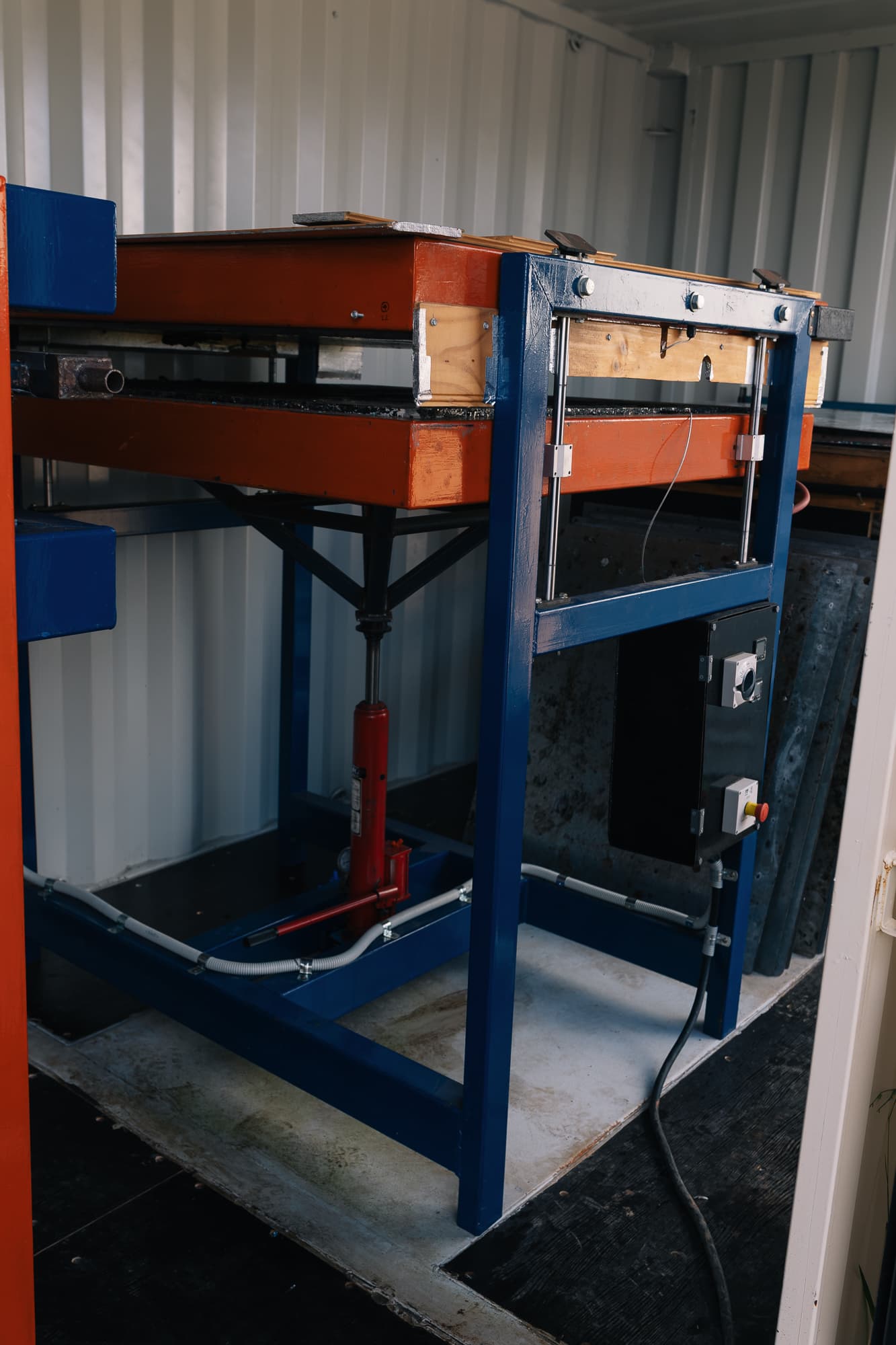
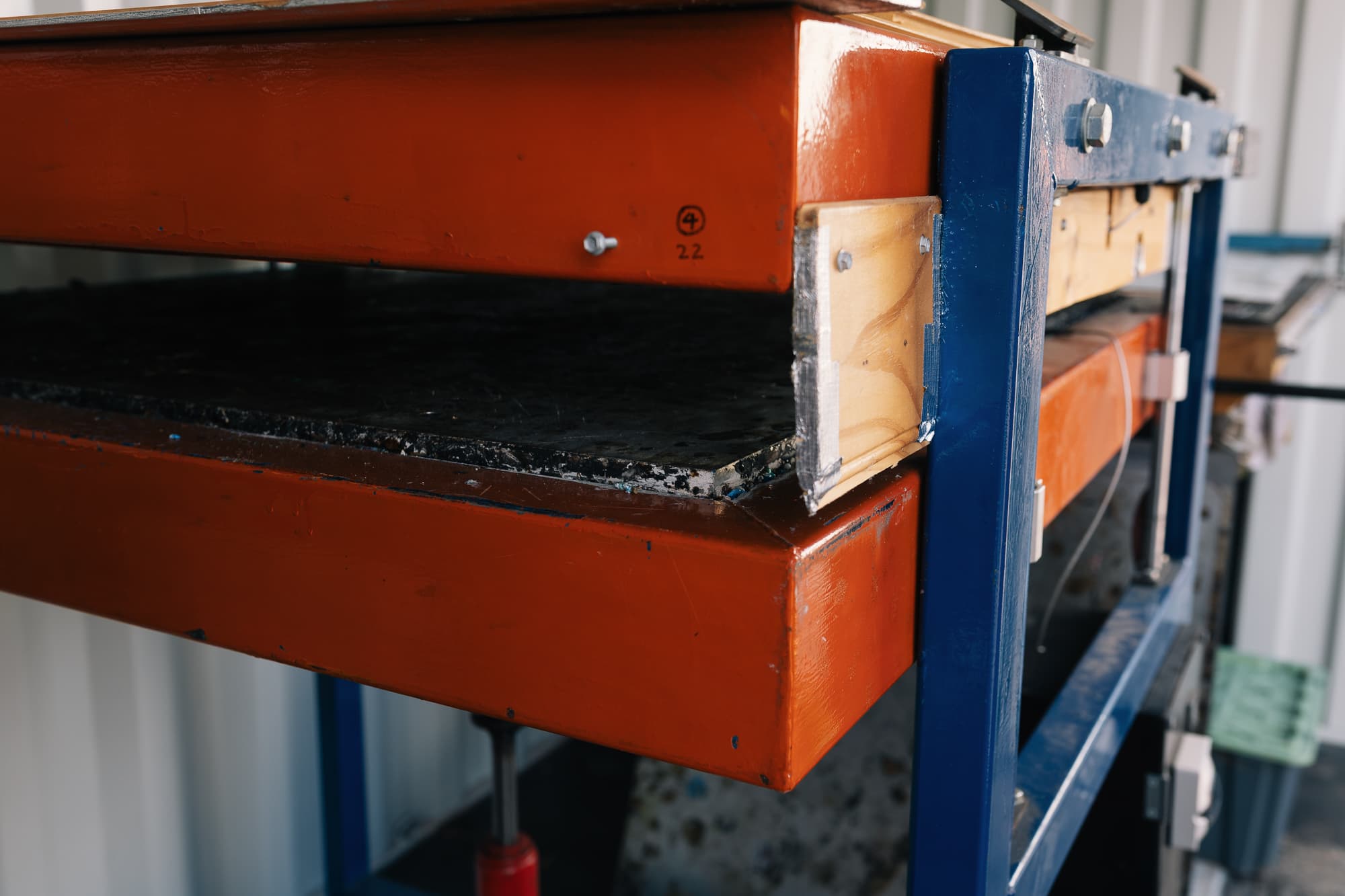
  2. Zone B — Sheet Forming (Heat Press): shredded plastic → solid sheets
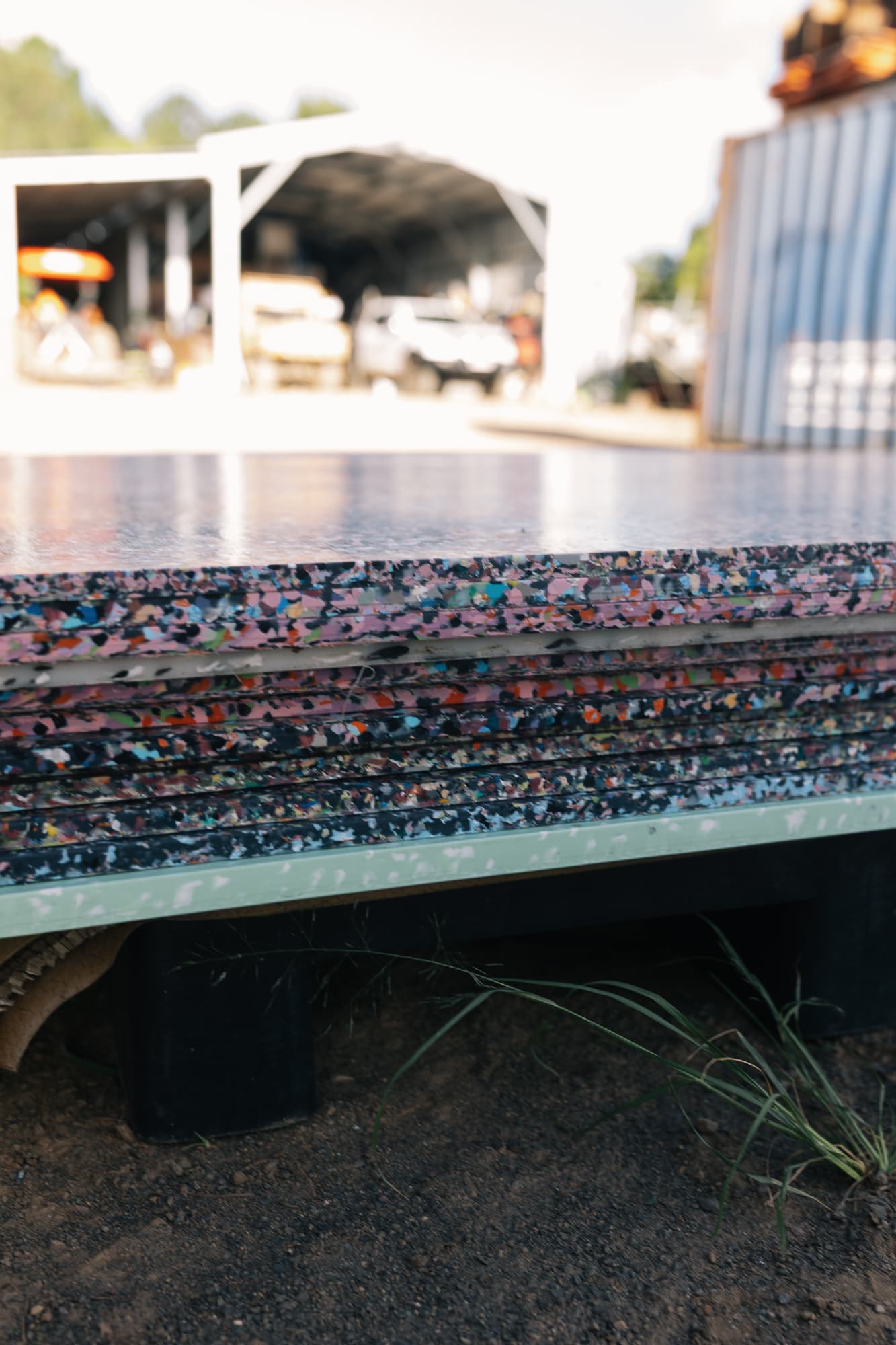
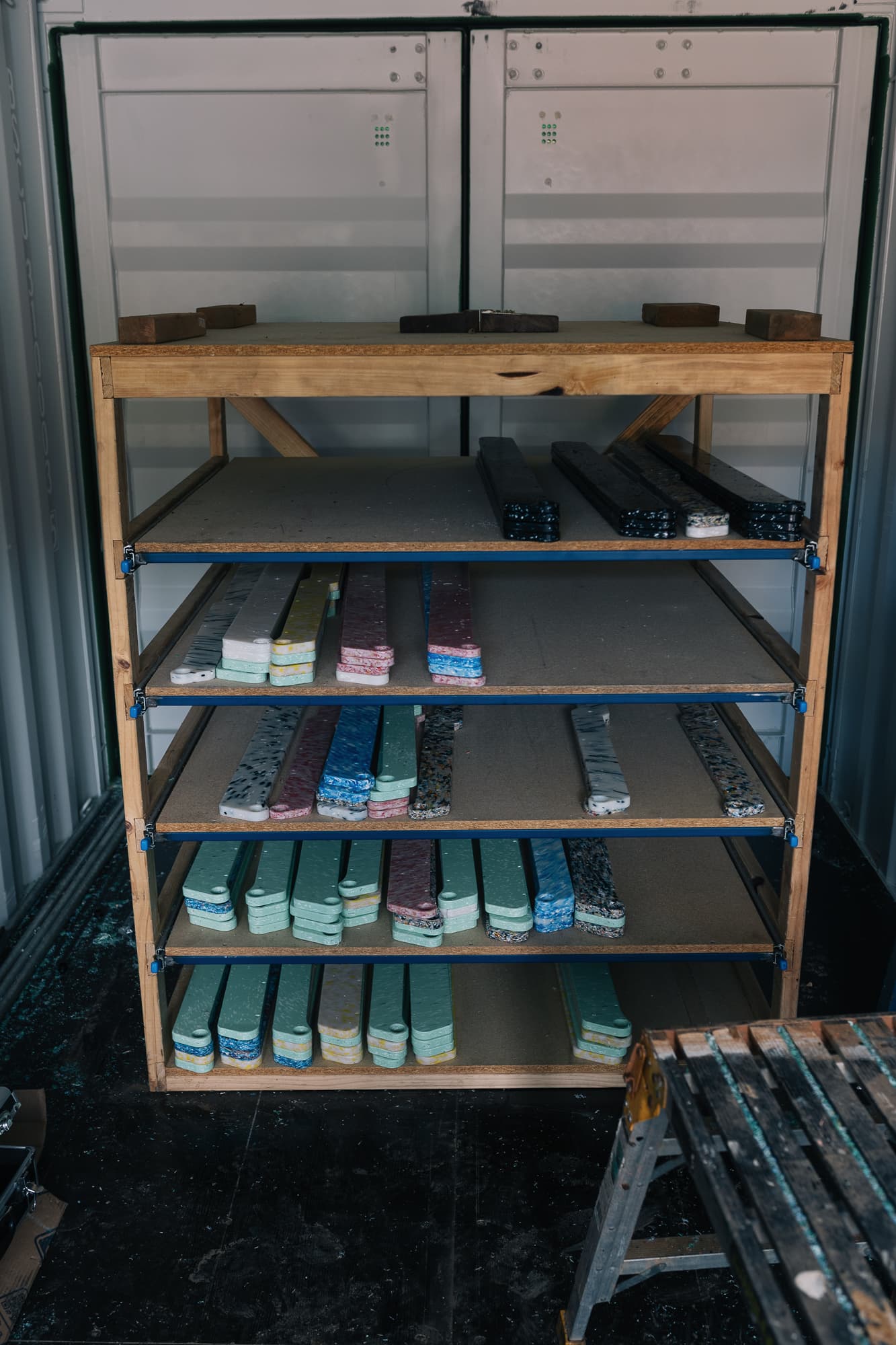
  3. Zone C — Cooling & Stabilisation: sheets rest to avoid warp
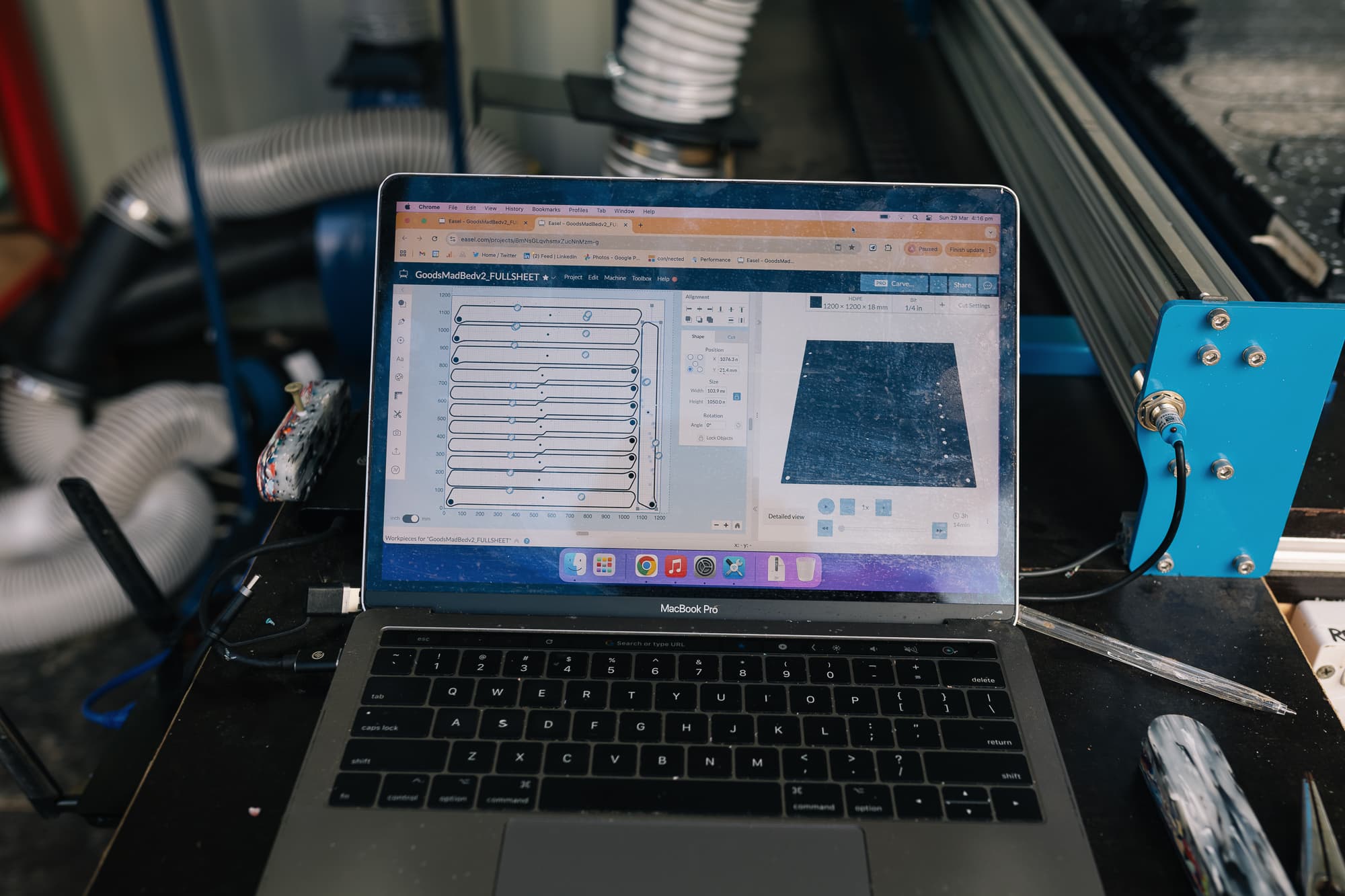
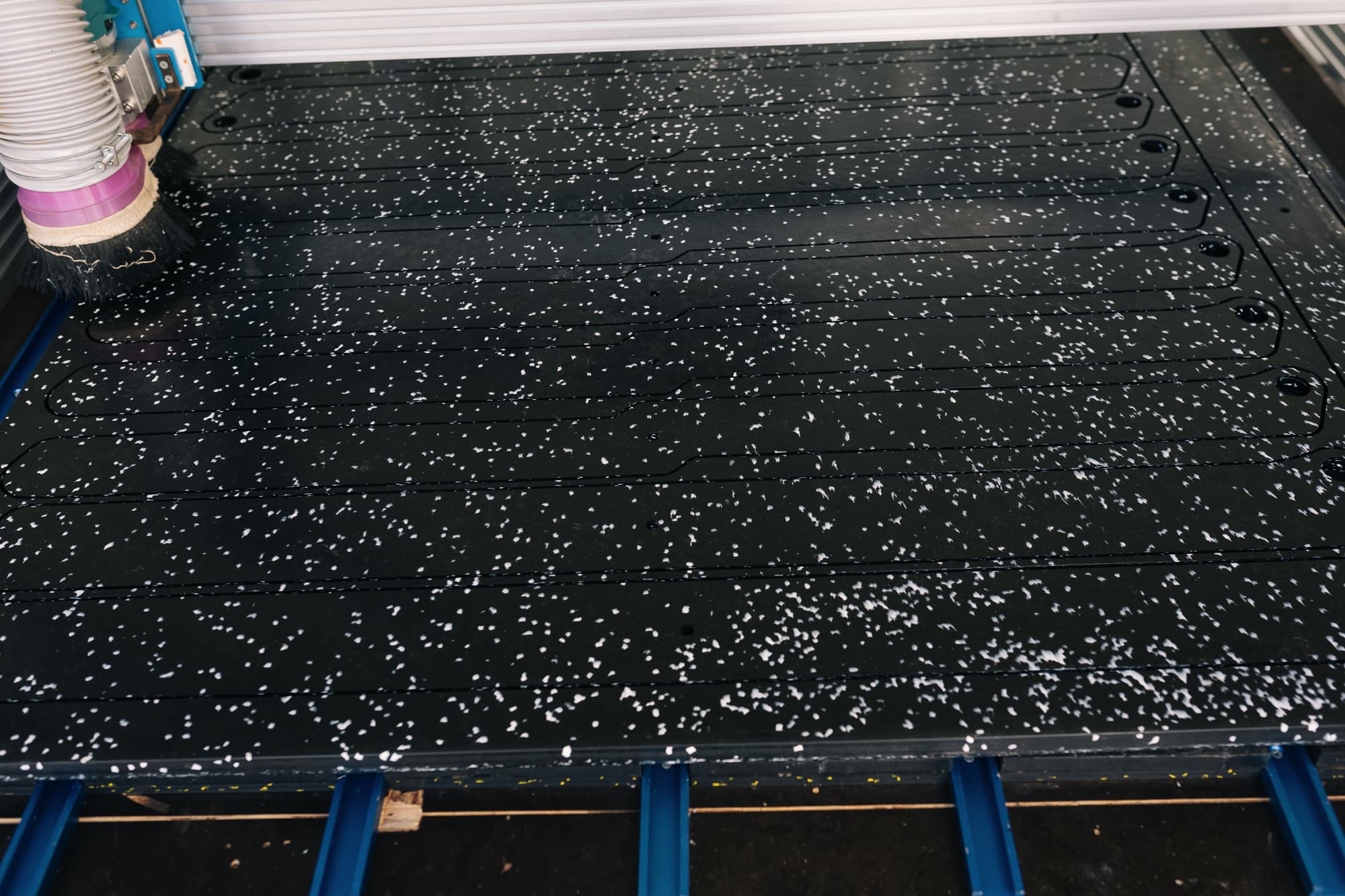
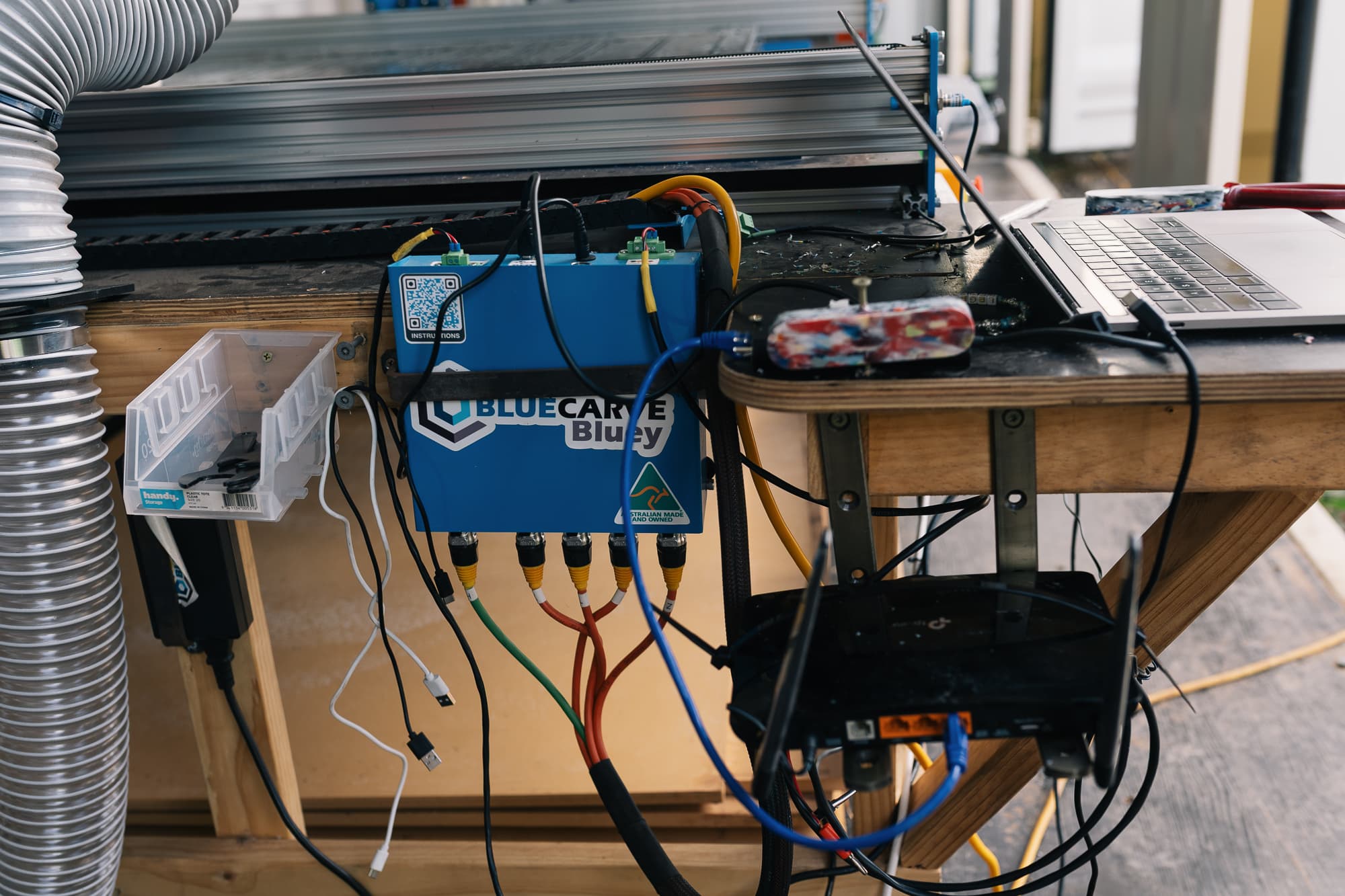
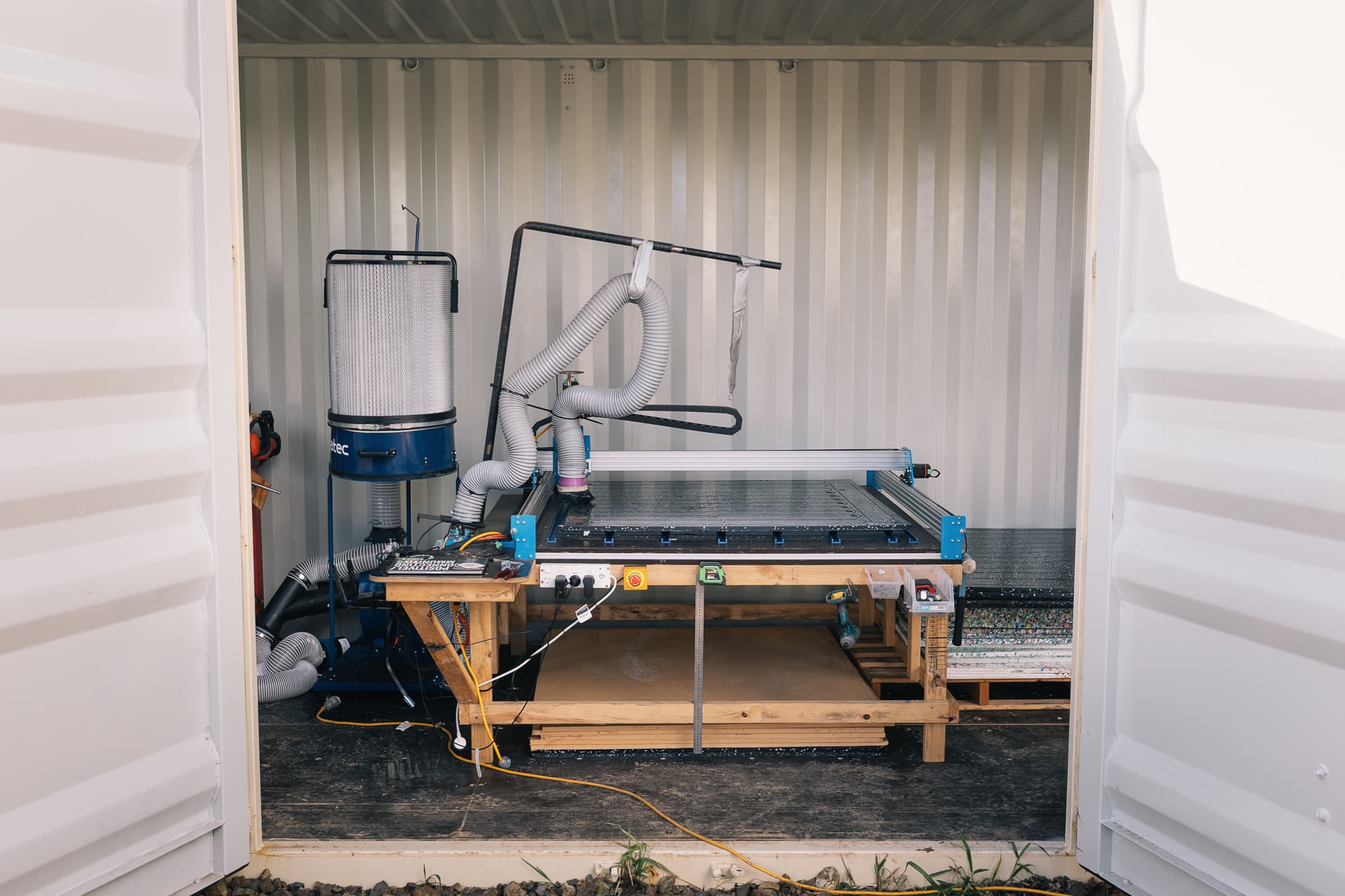
  4. Zone D — CNC Cutting: sheets → legs + blocks
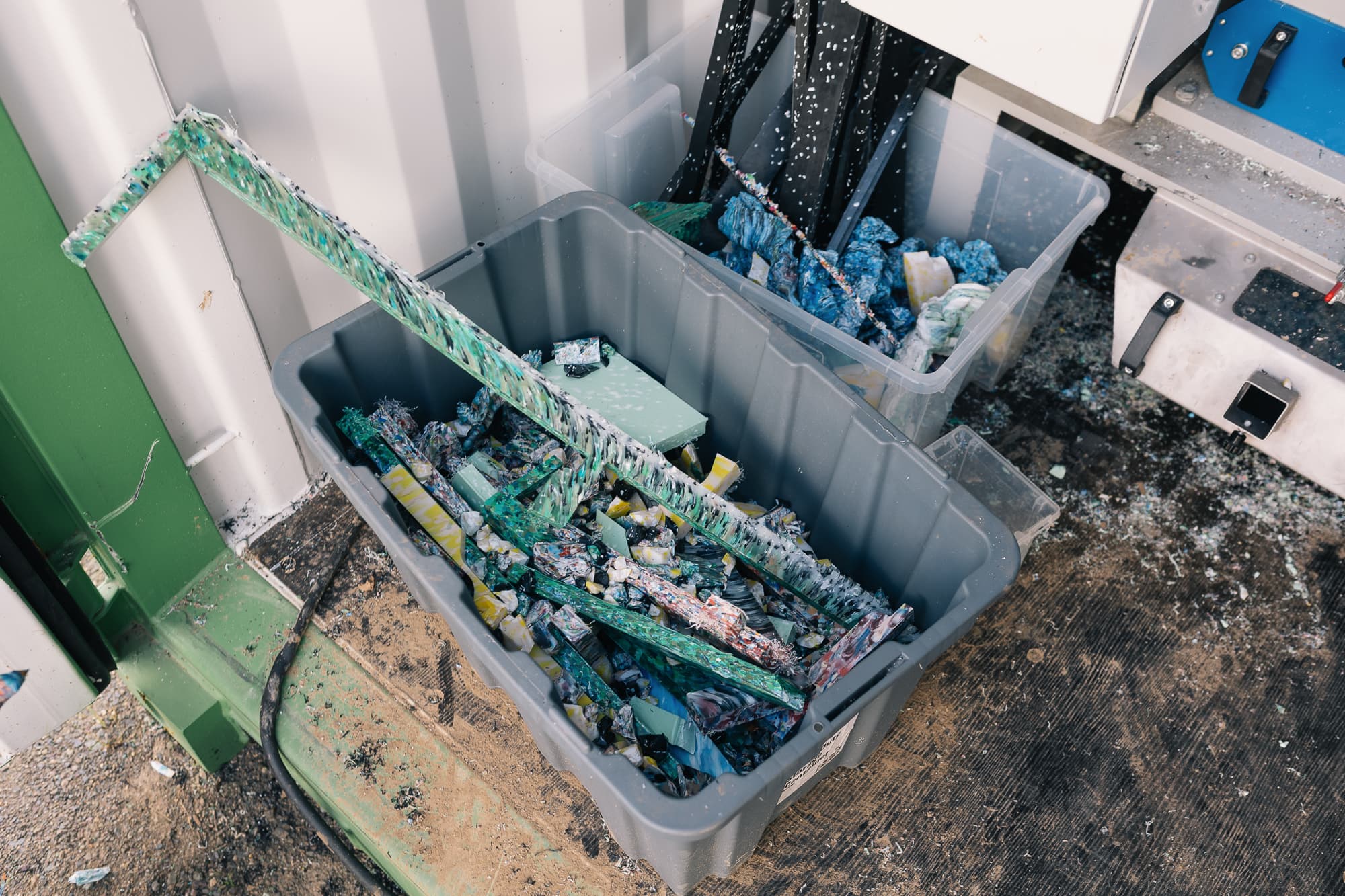
  5. Zone E — Parts Storage & Buffer: bins for legs, blocks, and offcuts

3.3 External Assembly Zone

Assembly occurs outside the container for more space, better ergonomics, and safer machine separation.

3.4 Material Flow (No Backtracking Rule)

Plastic moves in one direction only:

  1. Waste plastic → shredder
  2. Shred → press
  3. Press → cool
  4. Sheet → CNC
  5. Parts → bins
  6. Parts → assembly
  7. Bed → packing / shipping

4. Safety Requirements (Non-Negotiable)

4.1 Required PPE

  • Safety glasses
  • Heat-resistant gloves (thick, extended grip)
  • Closed-toe boots
  • Long sleeves and pants

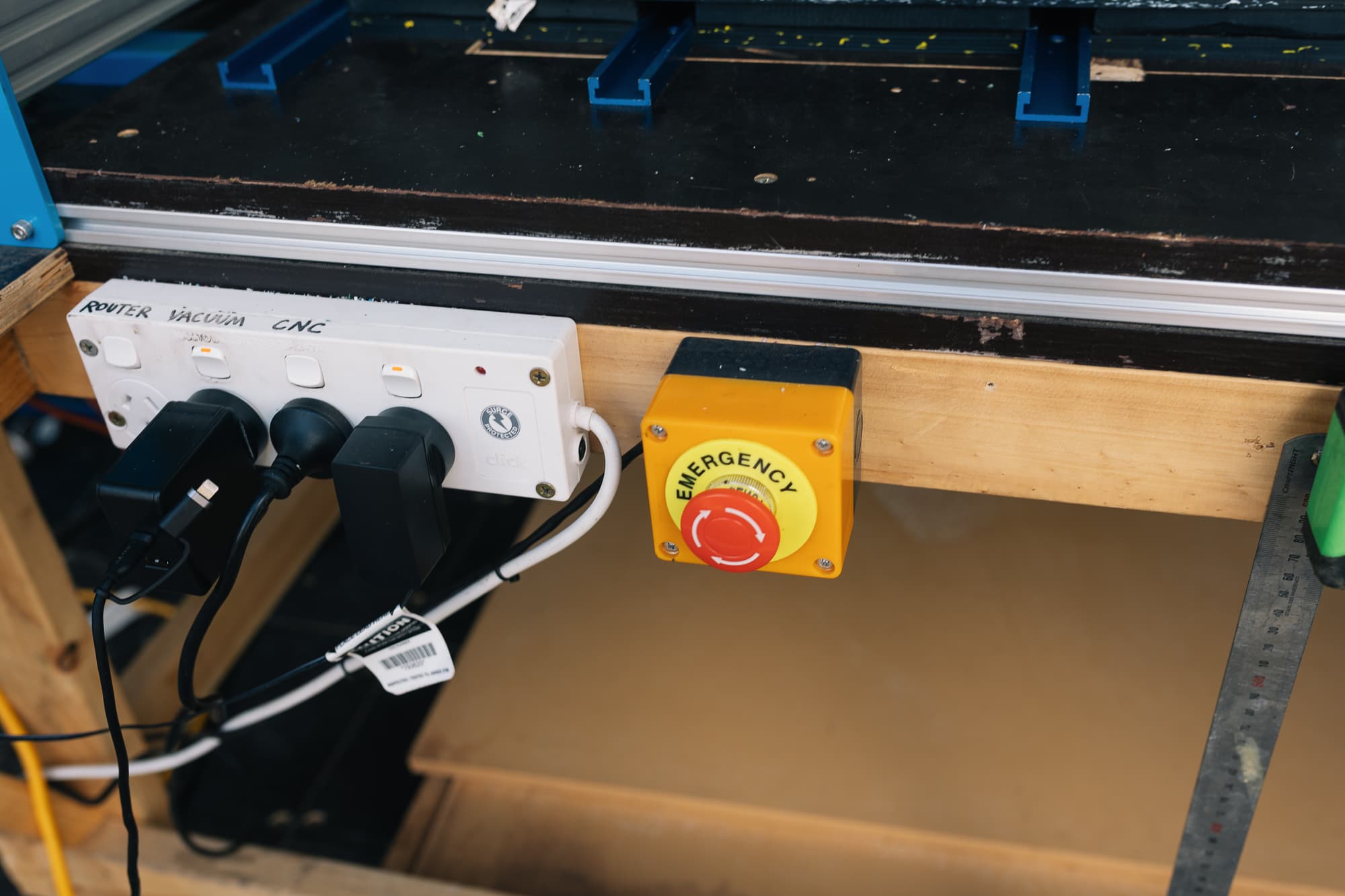
4.2 General Safety Rules

  • No loose clothing near machinery
  • No hands near moving parts
  • Machines off before clearing jams
  • Hot plastic and metal: assume hot at all times
  • Team lifts for heavy sheets
  • Report damage immediately

Start-of-day safety brief is required at every new site setup and before any youth-led shift begins.

5. Production Workflow (End-to-End)

Step 1: Plastic Shredding

Purpose: Reduce plastic into pressable material.

  • Inspect shredder before use
  • Feed plastic gradually
  • Stop immediately if jam occurs
  • Power off before opening hood

Log: jams, broken parts, maintenance needed.

Step 2: Sheet Preparation (Flip Table / Frames)

Purpose: Prepare even sheet material.

  • Spread shredded plastic evenly (no peaks, no gaps)
  • Trim excess with a sharp, sturdy knife
  • Lock frame securely

Step 3: Heat Pressing

Purpose: Form solid plastic sheets.

Standard settings: 190°C • 2–3 hours • ~5,000 PSI

  • Insert frame at correct angle
  • Apply initial force with safe body position
  • Re-jack to maintain pressure as required
  • Do not rush the cycle

Step 4: Cooling & Stabilisation

Purpose: Stabilise sheet structure and prevent warping.

  • Transfer to cooling press or rack
  • Minimum cooling time: 6 hours
  • No stacking or bending sheets early

Step 5: CNC Cutting

Purpose: Cut sheets into parts.

  • Confirm correct templates loaded
  • Secure sheet before cutting (clamps / hold-down)
  • Stay clear during operation
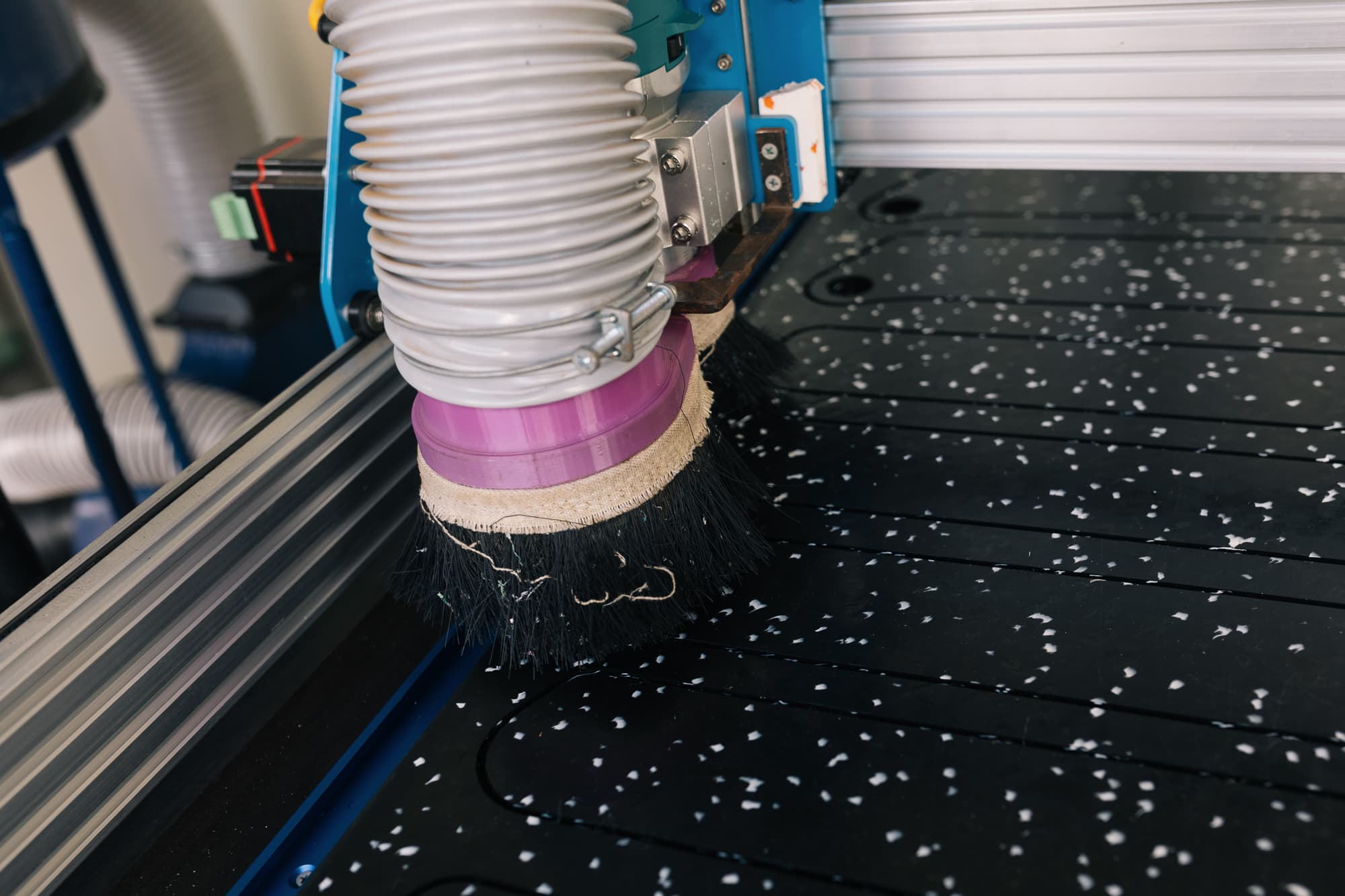
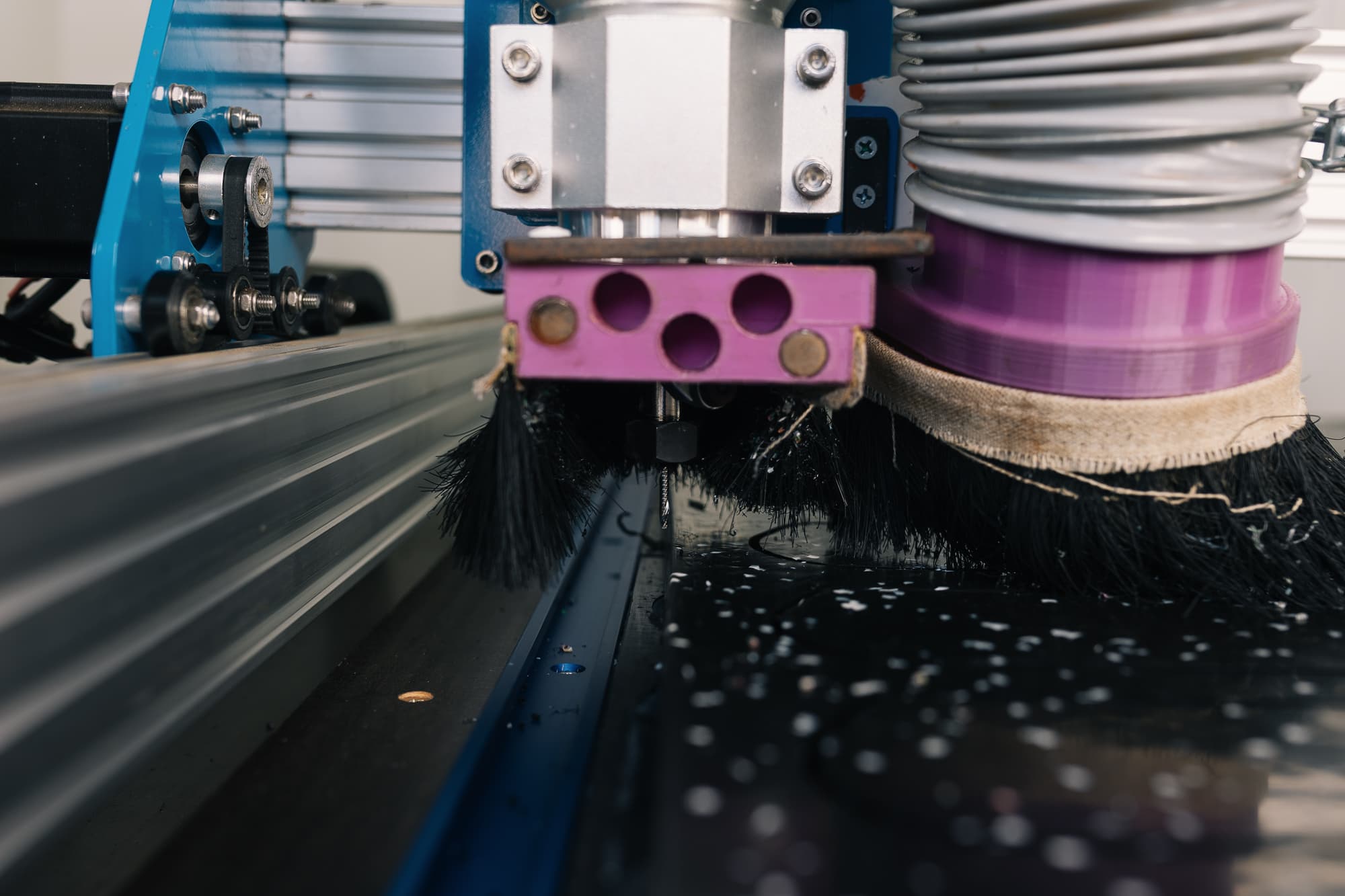
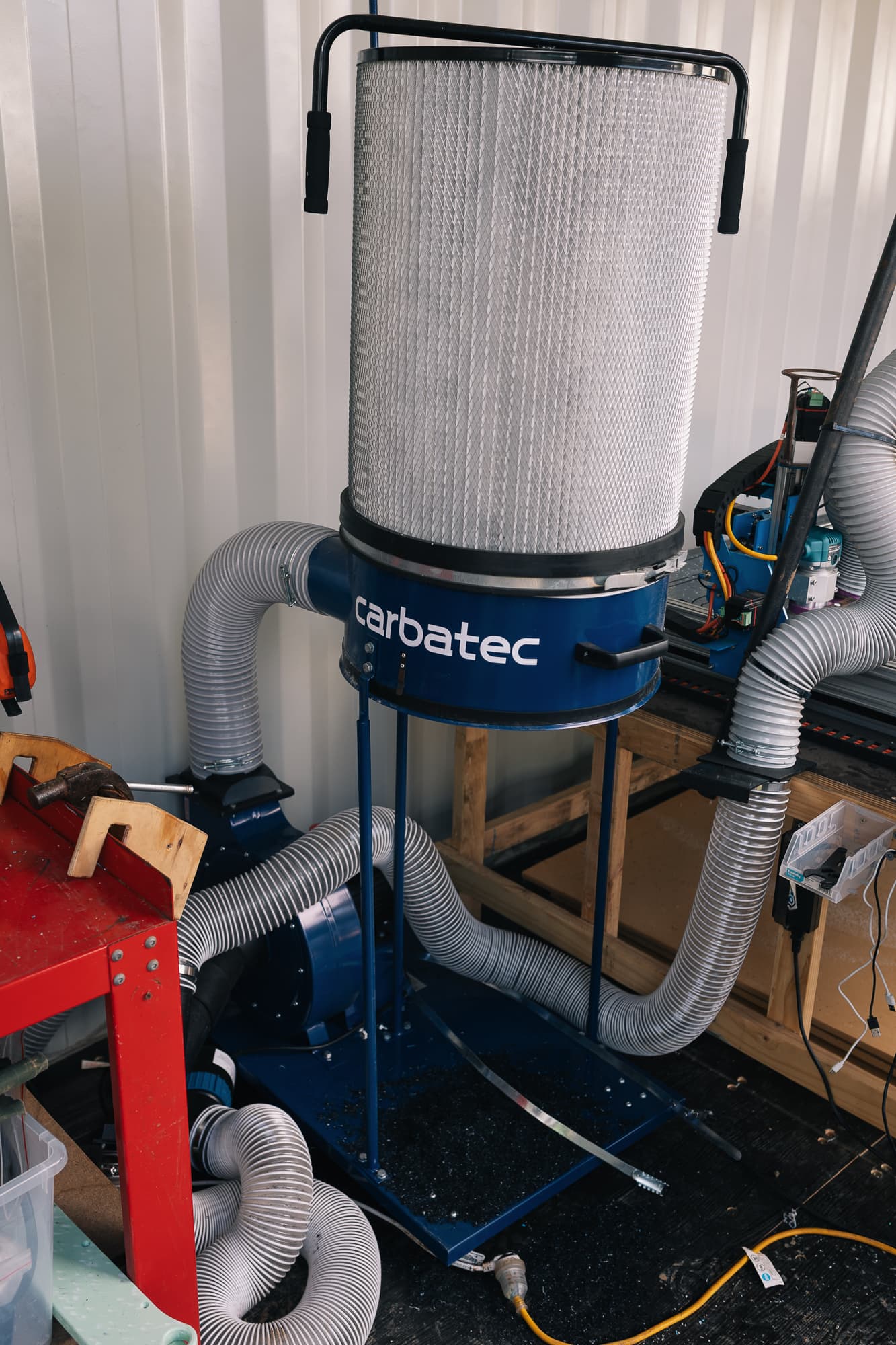
  • Use dust extraction when routing/cutting

Parts cut: long legs and blocks.

Step 6: Edge Finishing

Purpose: Safety and durability.

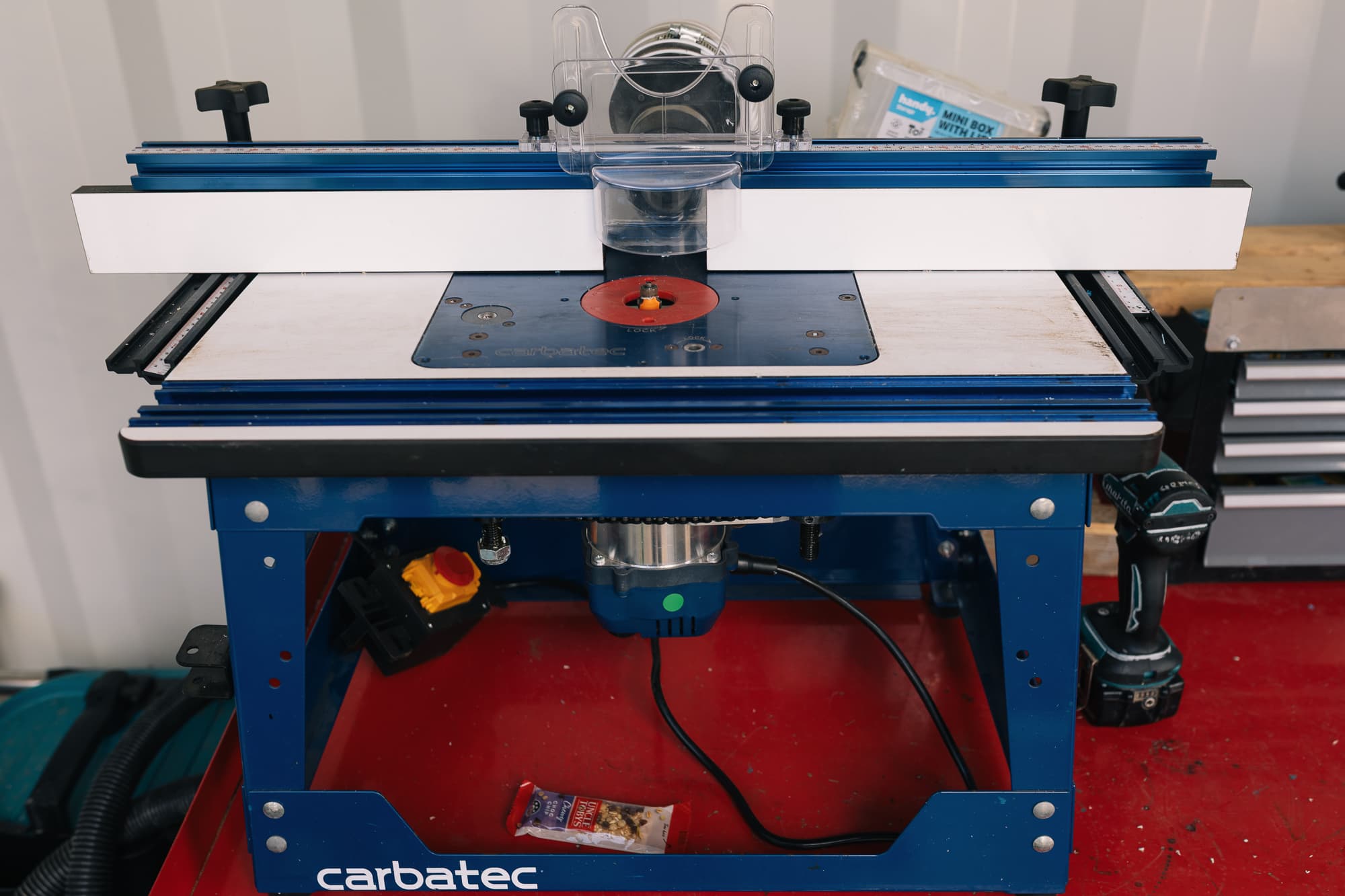
  • Route or sand all edges
  • Remove sharp corners
  • Inspect holes and joins

Rule: No unfinished parts move to assembly.

Step 7: Bed Assembly

X-Frame Assembly

  • 1 X-frame = 4 legs + 4 blocks
  • Bolt securely
  • Check alignment and wobble

Final Bed Assembly

  • 1 bed = 2 X-frames
  • Insert 2 rods
  • Tension canvas
  • Inspect for wobble or slack

6. Production Counting & Inventory Control

Counting Rule (Put This on the Wall)

Beds possible = MIN(legs ÷ 8, blocks ÷ 8, rods ÷ 2, canvas ÷ 1)

End-of-Shift Log (Required)

ItemCount
Sheets made today___
Legs available___
Blocks available___
Rods available___
Canvas available___
Beds assembled today___
Beds possible (stock)___

7. Maintenance & Issue Reporting

Each shift must record:

  • Machine faults
  • Broken tools
  • Damaged sheets
  • Parts failures
  • Suggested improvements

This log travels with the facility.

8. Training & Community Use

This facility is designed so that:

  • New operators can learn by watching once
  • Skills increase through repetition
  • Knowledge stays in community

Recommended Training Approach

  1. Observe full workflow
  2. Assist one station
  3. Run one station
  4. Lead one full cycle

No step is skipped. Safety and quality checks are mandatory.

9. Mobility & Handover Protocol

When relocating the facility:

  • Complete final inventory count
  • Pack machines in order of setup
  • Secure all tools and templates
  • Transfer logs to next site
  • Brief incoming operators

The system must arrive ready to run, not re-invented.

10. Guiding Principles

  • Build locally
  • Teach openly
  • Repair instead of replace
  • Design for reuse
  • Keep the system simple and accountable

Appendix: Templates & Checklists

A. Daily Start Checklist

B. End-of-Shift Checklist

Document control: Keep version history when updating. This manual is designed to travel with the facility and be usable offline (print-friendly).