How Throughput Works
The one number that drives every cost, margin, and capacity decision.
What is throughput?
Throughput is the answer to one question: if Joey shows up at 7am and leaves at 3pm, how many finished beds are sitting in the shed at the end of the day?
The answer right now is 5 beds per day. Here's why that number matters so much.
The wrong way to think about it
Imagine timing Joey making ONE bed from scratch, doing nothing else:
- 1. Shred plastic (30 min)
- 2. Fill frame and press sheet 1 (2 hours)
- 3. Fill frame and press sheet 2 (2 hours)
- 4. CNC cut both sheets (45 min)
- 5. Edge finish all parts (5 min)
- 6. Pre-drill (5 min)
- 7. Assemble the bed (5 min)
Total: ~6.5 labour-hours per bed
Nearly a full day of one person's time for one bed. Barely worth it.
But nobody works like this.
The right way: what Joey actually does
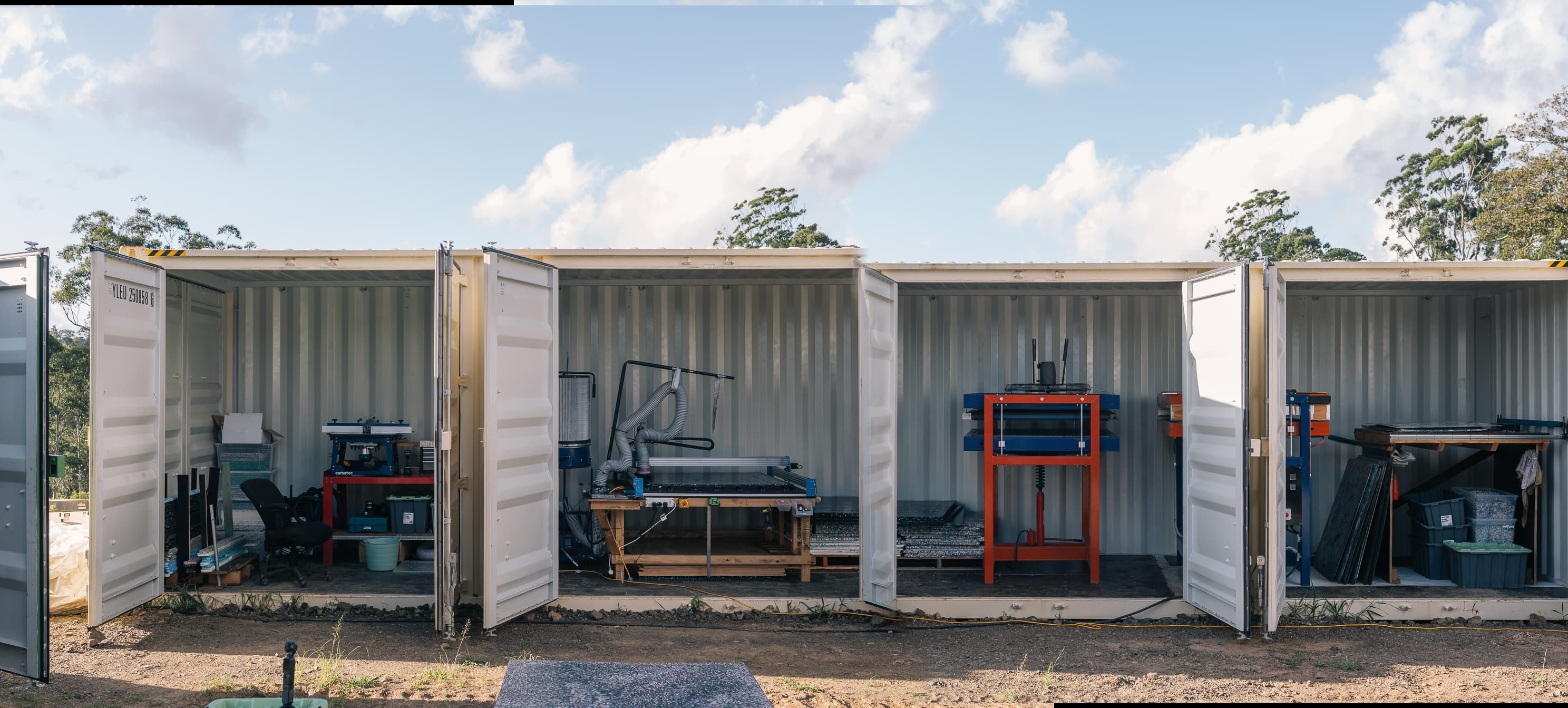
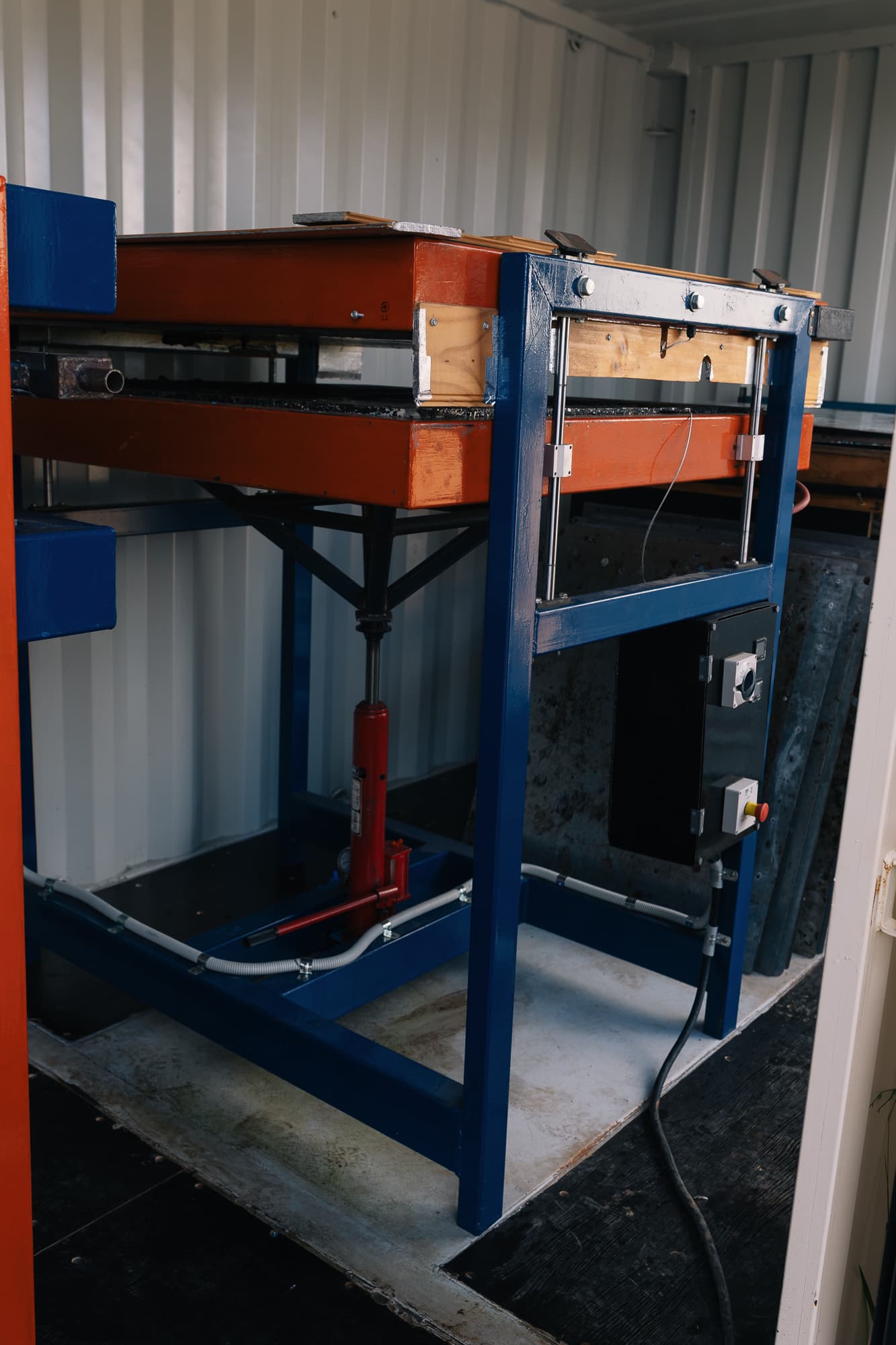
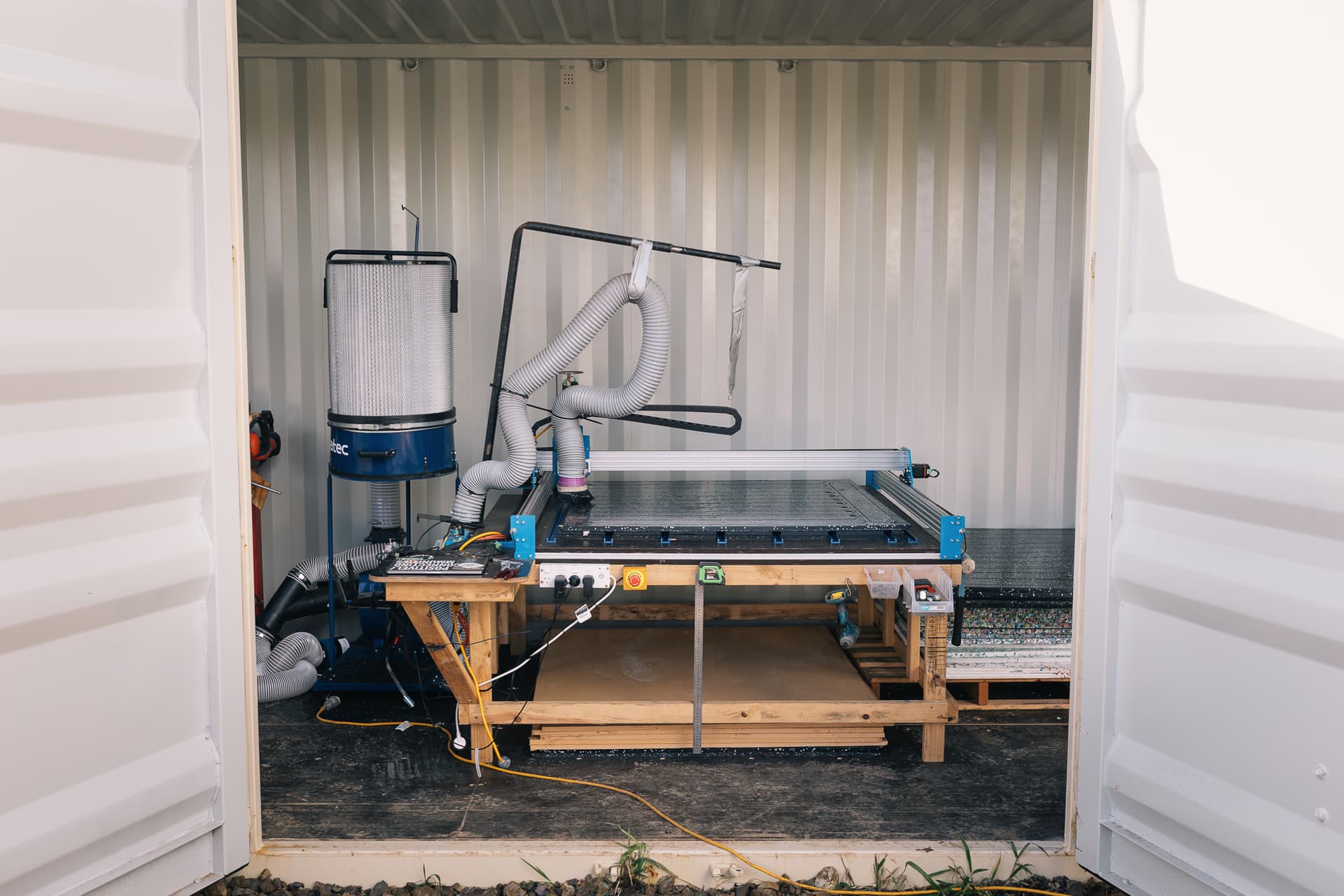
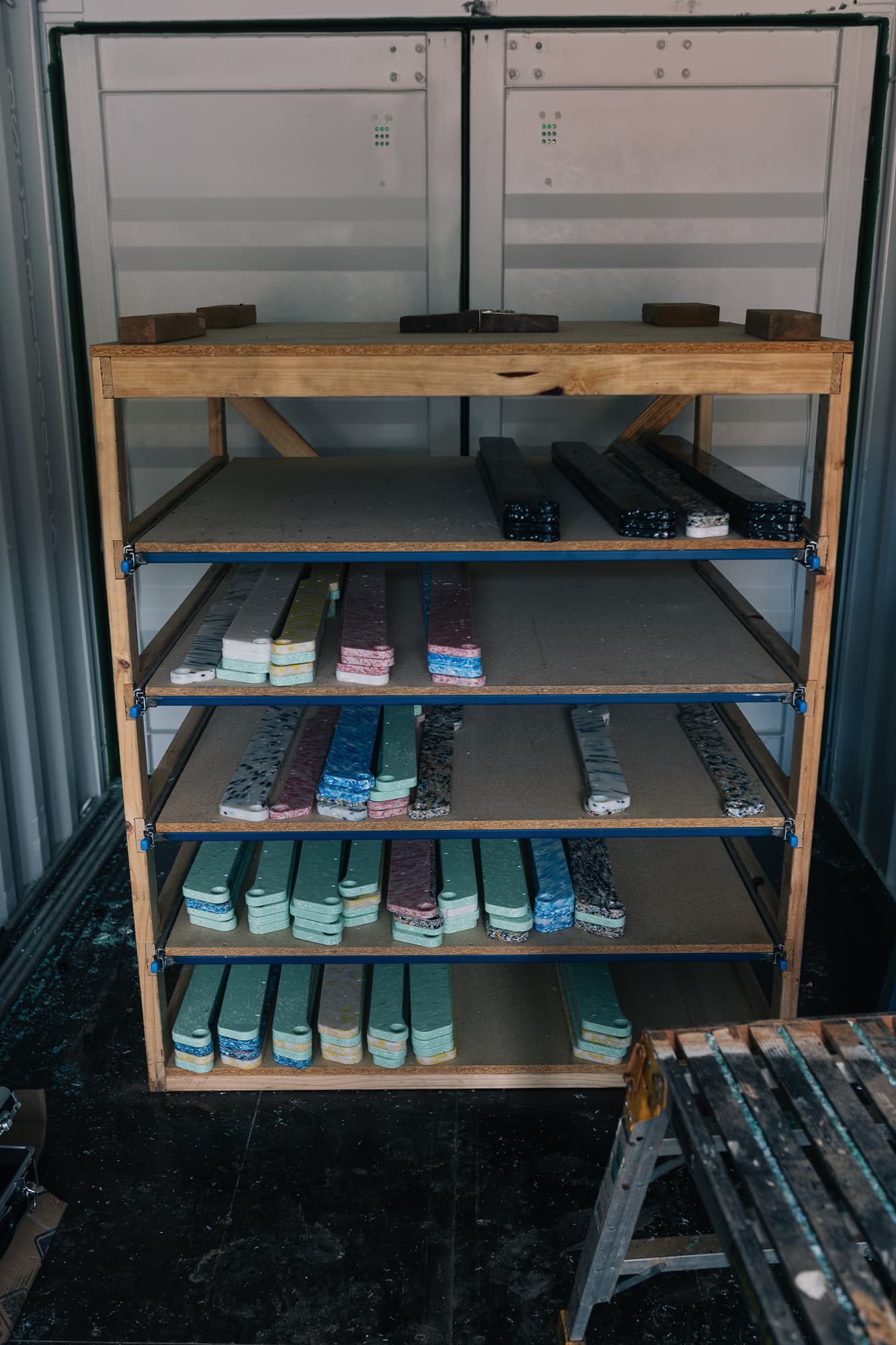
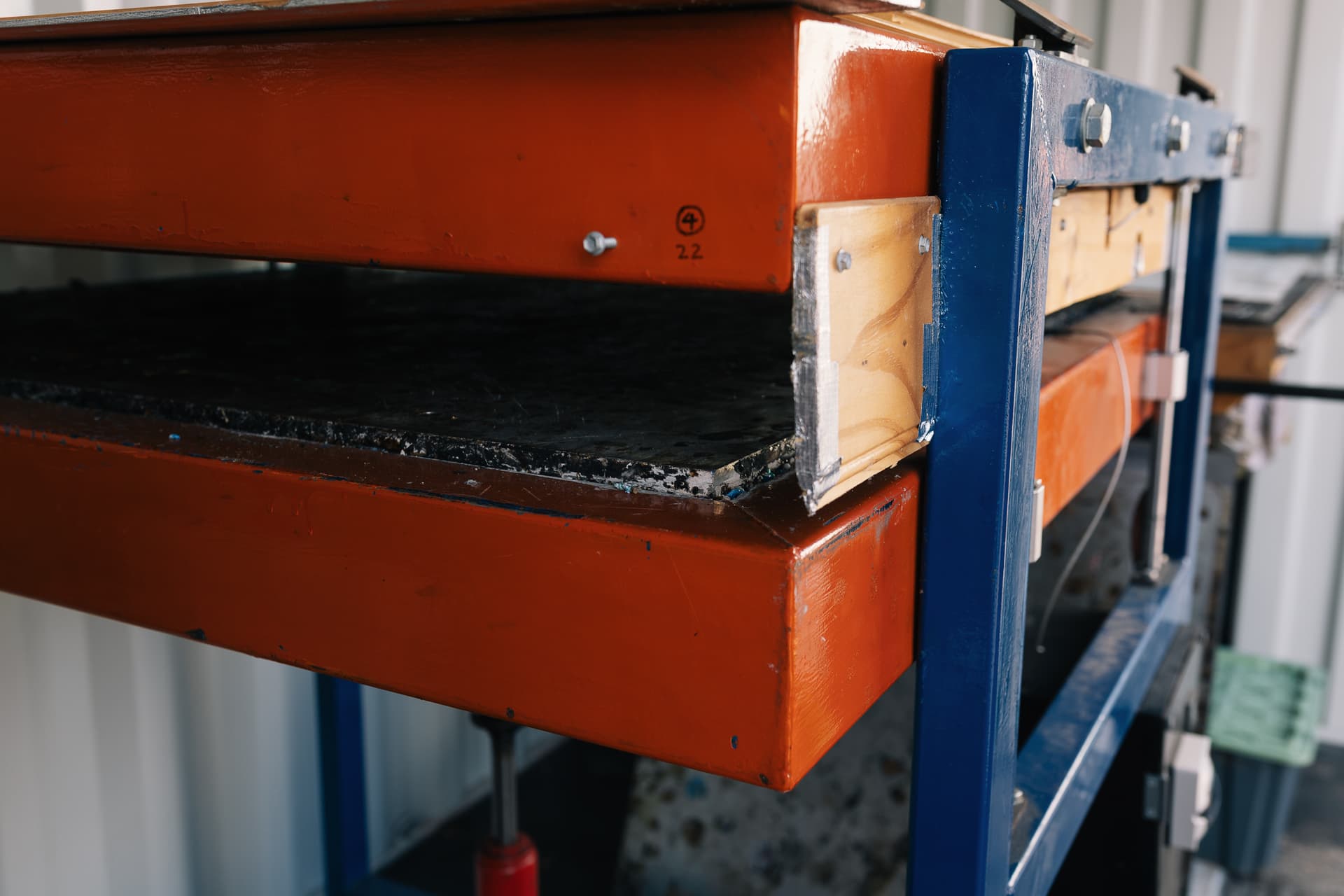
The press and CNC are robots. They work while Joey works on something else. His day is a rotation between stations, always keeping every machine busy.
Arrives. Yesterday's sheets are cooled and ready. Loads Sheet A onto CNC, hits start. CNC runs on its own.
While CNC runs, fills a steel frame with shredded plastic and loads the heat press. Press starts its 90-min cycle.
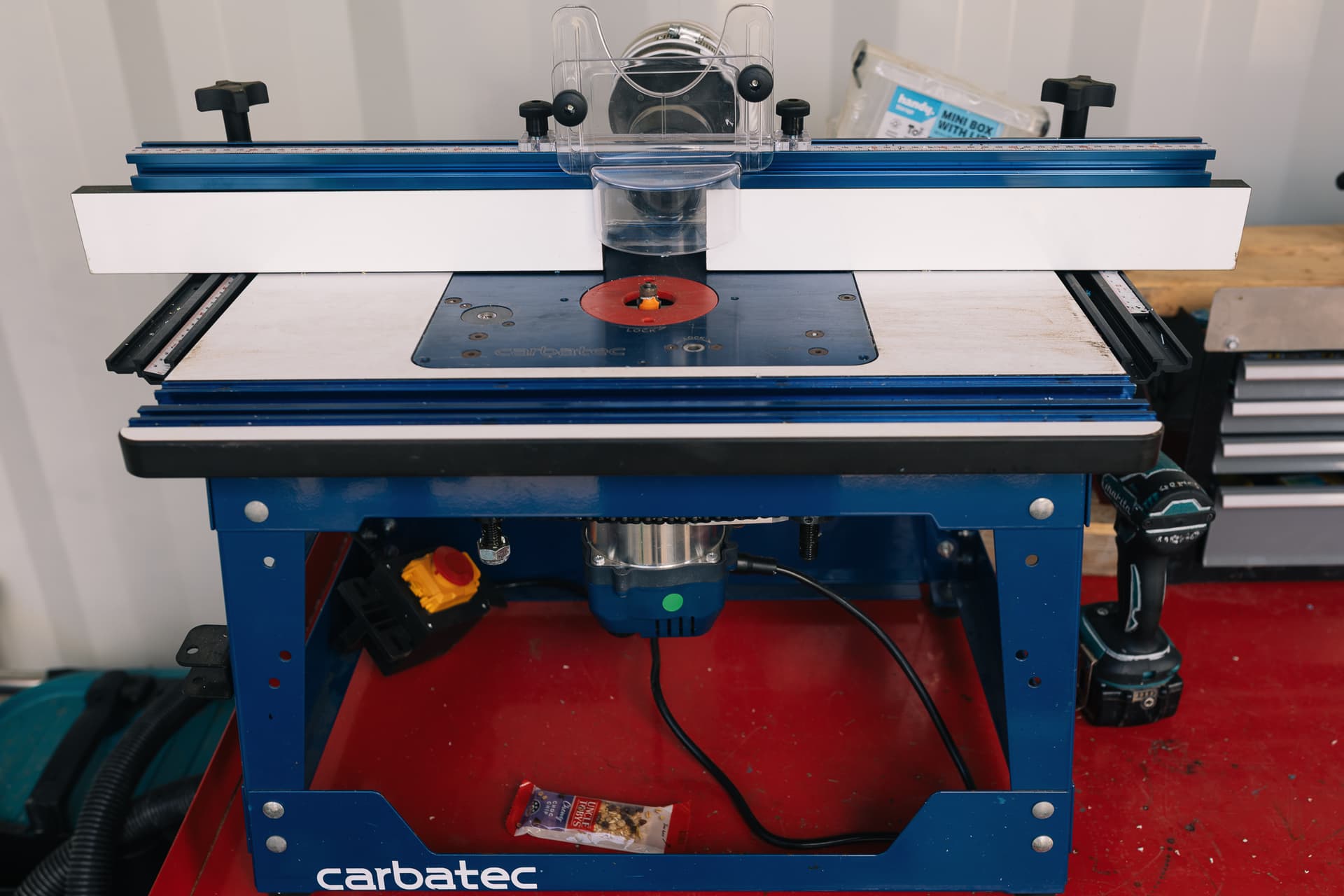
Takes yesterday's CNC-cut parts and starts edge finishing on the bull nose router. Hands-on work.
Edge finishing done for one bed. Pre-drills the holes using the jig.
Assembles Bed #1 in the shed. Screws sides together, threads poles through canvas.
Bed #1 done. CNC has finished Sheet A. Unloads, loads Sheet B, starts again.
Press nearly done. Starts edge finishing parts from Sheet A.
Press finishes. Slides hot sheet out (pizza paddle), loads new frame, restarts. Back to edge work.
5 finished beds, 2 sheets cooling for tomorrow, CNC queue clear. Day done.
Why this changes the cost per bed
Sequential Model
"Each bed takes 6.5 hours"
6.5h
labour per bed
~1 bed per person-day
Throughput Model
"Joey makes 5 beds in 8 hours"
1.6h
labour per bed
5 beds per person-day
Same person. Same pay. Same day. The difference is how you count.
The Bottleneck Map
| Station | Time per cycle | Runs unattended? | Bottleneck? |
|---|---|---|---|
| Shredder | Ongoing | No | No |
| Heat Press | 90 min/sheet | Yes | YES |
| CNC Router | ~45 min/sheet | Yes | No |
| Edge Finishing | ~5 min/bed | No | No |
| Pre-drilling | ~5 min/bed | No | No |
| Assembly | ~5 min/bed | No | No |
The press is the bottleneck. It can do 6 sheets per day. Each bed needs 2 sheets. So the theoretical max from one press is 3 beds/day of new material. Joey hits 5 because he builds from a rolling buffer of pre-pressed sheets and pre-cut parts.
What Changes When Throughput Changes
Joey gets faster (6 beds/day)
He's been at it 7 weeks. As he gets more efficient at station rotation:
Labour/bed
1.3h
was 1.6h
Weekly output
30 beds
was 25
Beds/person-day
6
was 5
Add a second operator
One person runs press + shredder. The other runs CNC + finishing + assembly.
Crew
2
operators
Throughput
8-9/day
press still the limit
Labour/bed
~1.9h
higher, but 60% more output
Community takes over
The facility runs with CDP participants or volunteers. Plastic is collected locally for free.
Inputs
Diesel + hardware
plastic collected locally
That margin goes to
Community
their enterprise
Buying Defy kits while setting up a new site
Containers aren't there yet but families need beds now.
Model
Buy kits
assemble locally
Throughput
10/day
assembly only
Lead time
8 weeks
from order
The One Number That Matters
Every morning, the question is:
"How many beds will be finished today?"
Revenue
beds x price
Labour cost/bed
daily wage / beds
Weekly capacity
beds x 5 days
Order fulfilment
order / beds per day
When Joey says "I did 5 today", that single number tells you your throughput, your bottleneck, and your capacity.